





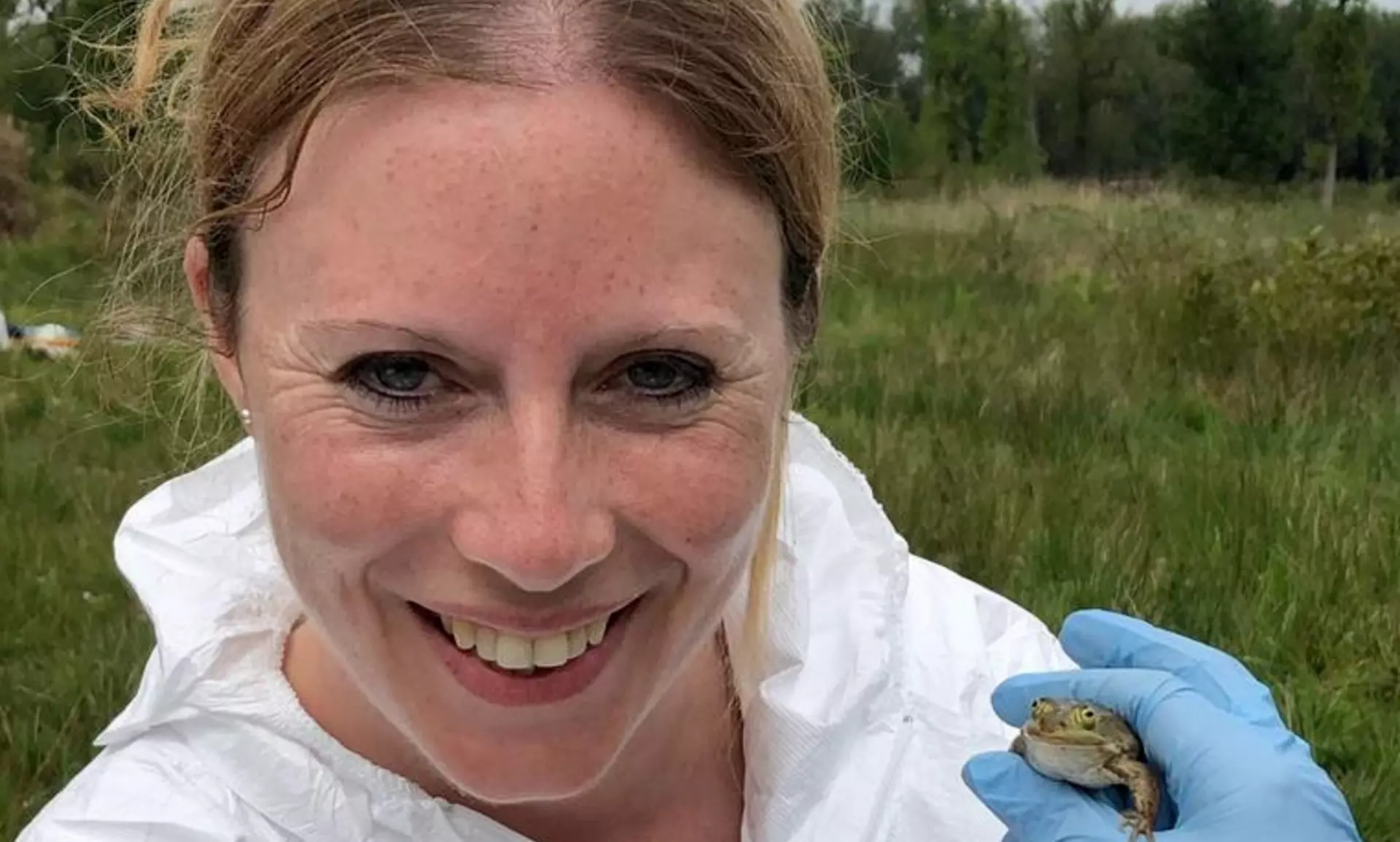
Dr Tammy Shadbolt is part of our Wildlife Disease Risk Analysis and Health Surveillance (DRAHS) team, working to support conservation translocations of endangered native species.
Her role involves assessing disease risks before animals are moved, managing health during releases, and monitoring populations after reintroduction.
She has contributed to a wide range of species recovery programmes, and worked to bring back many species back from the brink, including hazel dormice, chequered skipper butterflies, Pool frogs, corncrakes and sand lizards.
When I was little, we had lots of pets at home, and before I was allowed my own pet, I would rummage in the garden and find some woodlice to try and look after, creating them cardboard boxes and all kinds of houses. I was quite obsessed with trying to look after animals at an early age. So that's really what led me to consider career options working with animals.
It's quite tricky getting into vet school, as I'm sure many young vets know, but once you're in, it's great, albeit hard work. I went to vet school at Edinburgh. Once I was there, you often have the opportunity to do some specialisation. I took a year out during my training and went to Liverpool Vet School, where I did a special intercalated BSc in veterinary conservation medicine. That really set me up to, hopefully in the future, use my vet skills alongside my interests and knowledge from the conservation world.
Over the years, in terms of qualifications, I've done several things, including an MSc in wild animal health, a PG cert in veterinary education, and a PhD in Tasmanian Devil Facial Tumour Disease.
I think my interest started even earlier than vet school, in the sense that I was really fascinated by nature. I remember doing some school work experience at the Environment Agency and being so interested in the natural world - how it worked and how animals fitted into it. It was always in the back of my mind to try to marry the two interests: clinical veterinary work and wildlife. It was just a question of looking for opportunities.
Throughout my training as a vet, the MSc I did is very unique. It's run by ZSL and in conjunction with the Royal Veterinary College (RSV). There are relatively few people around the world who have had the opportunity to do it. It really brings together the practical elements of working with wild animals in captivity and looking at wild animal disease and issues in the wild. A number of the modules really interested me, but probably the module on disease intervention was key. It focused on what we can do as vets with an interest in conservation medicine to help animals that are not thriving in the wild, things like endangered species. That was one of the key modules for me.
It's quite crazy because, obviously, the Tasmanian Devil is a cartoon character to most people. So how did I come to that? Well, I actually spent a year working in Australia as a clinical vet for cats and dogs, and I had a real interest in Australian wildlife from the start. When I finished my master's, I knew that to work in this field, it would be helpful to have research training behind me as well. I looked into PhD options that would combine my love of wildlife and my passion for Australia, having spent a year there. We had touched on the plight of the Tasmanian Devil during the MSc I had done, so I got in touch with the University
of Tasmania and the RVC and found a supervisor willing to forge ahead and create a slightly crazy PhD on Tasmanian Devil Facial Tumour Disease.
Inevitably, the focus of the research ended up being mine. It was about how these tumours metastasise in the body. DFT is quite unique because it can be transmitted between animals through bites, which is not normal for cancer. Cancers are not usually transferred from one animal to another. The cancer cells are also extremely clever, spreading around the body very quickly. We looked at the cellular mechanisms that might drive metastasis in the body and, inevitably, help tumour cells spread so easily between individuals.
Like a lot of wildlife and conservation vets, I was looking for that “golden ticket” to bring together clinical work, a passion for wildlife, research, and opportunities to teach. I’d been doing quite a bit of teaching by this point and knew ZSL was the largest organisation in the country offering opportunities for wildlife vets. I kept my contacts and watched for suitable roles. As soon as one came up, I applied.
Now, I work for the Disease Risk Analysis and Health Surveillance team. In short, we work with native species in this country that are endangered and are subject to intervention programs. By that, I mean conservation programs. Most people have heard of reintroductions or reinforcements of small, vulnerable populations or species that have gone extinct. Those are the species we work with. Our role is to advise on the disease risks of moving animals from A to B or reintroducing a species. What disease scenarios might arise? How might we change the environment or affect other animals in the ecosystem?
We do a lot of research into disease, including parasites those species might carry, producing a disease risk analysis. This huge, six-month piece of work is usually done before a translocation goes ahead. After that, our team remain involved, and we do their disease risk management and the post release health surveillance, which means we're there to check the health of the animals, both during the move, when they're released, and after release. We go back into the field, and we try and survey those animals again, look for signs of disease, make sure they're healthy. And all of this is required these days, or at least guidelines, according to the IUCN. So, this is the way translocation should be done, really good, well managed conservation projects. That's our role.
I love working with some of these absolutely passionate other charities, stakeholders and collaborators who may have dedicated their whole life to one species and trying to conserve it in this country, or even bring it back from extinction. After a translocation several years on, you then start to see these animals breeding in the wild, and you realise we've actually reestablished one of our native species, and how much value that brings for people and the environment.
I used to enjoy clinical work, but I was never a fan working with the maggots during post-mortems. It can be quite smelly and dirty work sometimes. They are important, however, to understand why wild animals die and check for disease.
I’ve always had a soft spot for the Hazel Dormouse. Most people do when they read about the project, they’re exceptionally cute. The Hazel Dormouse program started around 1993, almost 30 years ago. Populations declined dramatically due to habitat changes. Our stakeholders, the People’s Trust for Endangered Species, spearheaded a reintroduction program to boost populations where they remain and reintroduce them where they have been lost. Every year, we help with veterinary health checks and monitoring of dormice in quarantine before release to ensure they are fit and healthy. Then we release them into beautiful areas of the country. So far, released dormice are doing well, and this is probably my favourite program.
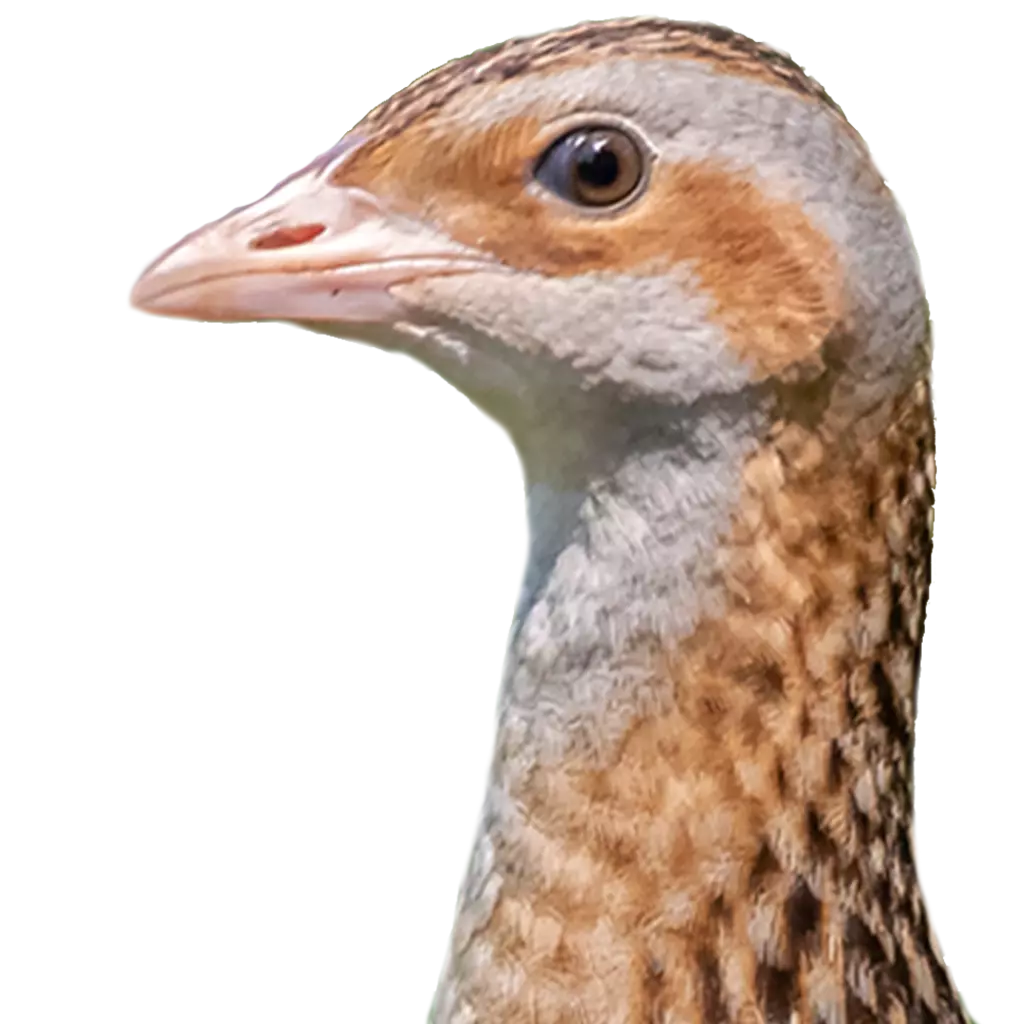
We’ve also been involved with the Corncrake project, running for several years. Maintaining corncrake populations has been challenging. A fantastic breeding program led by Pensthorpe Conservation Trust helps, but these birds migrate to Africa, and tracking their return has been difficult. Determining whether disease or other factors affect their return is ongoing.
I’ve been lucky to be involved in teaching on and off for about 13–14 years. Completing my PG cert in veterinary education was fascinating - once a student myself, I now teach from the other side. I’ve taught clinical veterinary medicine at the Royal Veterinary College and lectured in wildlife at Surrey University Vet School. At ZSL, I’ve held roles such as module leader or co-leader for the MSc program I once attended. I continue to examine, mark, and help set up exams and essays.
Every scientist wants to get their research out there, so publishing high-quality papers that help future scientists make decisions in wildlife conservation is a key goal. I also aim to support our amazing stakeholders and charities to make a tangible difference, and hopefully, in my lifetime, see some of these species fully re-established in the country.
Interviewer: And finally, what advice would you give to someone interested in working in wild animal health?
Tammy Shadbolt: It’s absolutely amazing. The routine isn’t laid out in textbooks. You have to go searching for it. If it interests you at a young age, keep up with contacts, take opportunities, and get as much experience as possible alongside your clinical vet work. You can also consider the biology route - we work with many amazing biologists and ecologists, and my work wouldn’t be possible without them. Whatever path you choose, maintain your contacts and seize opportunities.
These archive recordings capture personal memories and perspectives. They reflect the way people remember events which may be shaped by time, or differ from other accounts.