





Thank you for being part of our story

At ZSL, we're a powerful movement of conservationists.
Collaborating with communities around the world, we are protecting species, restoring habitats and creating positive change for wildlife, all driven by our scientific approach and pioneering spirit. Explore our projects working tirelessly to help nature recover:
- Working together to save iconic species
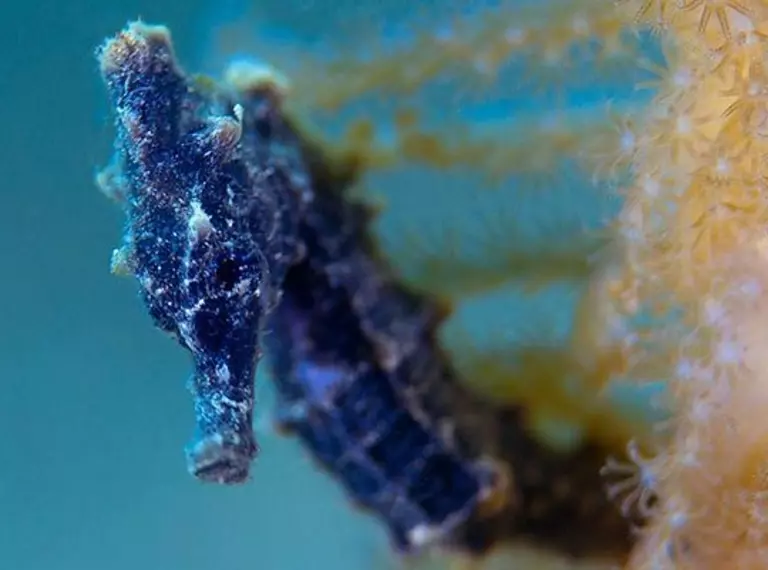
Project Seahorse
Combating threats to seahorses across the globe
- Climate Finance in Thailand
Financing a Nature-Positive and Socially Inclusive Climate Transition for Thailand
Financing a Nature-Positive and Socially Inclusive Climate Transition for Thailand
- Low-cost camera to democratise deep-sea science
Deep & Cheap: Low-cost camera to democratise deep-sea science
- Using AI to understand biodiversity change
Conservation AI Lab
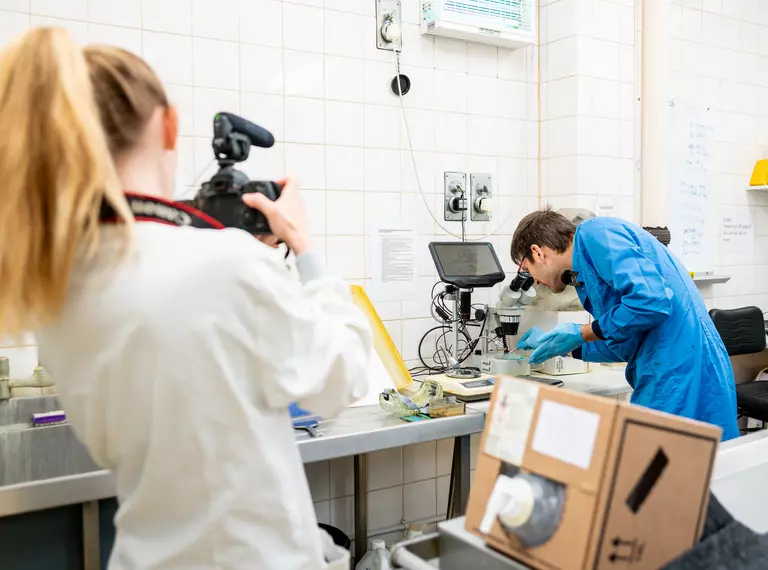
- INSIDE NATURE: DISCOVER DISSECTION
Inside Nature: The first-of-its-kind education resource
The first-of-its-kind education resource
- Where people and forests thrive together
An equitable biodiversity economy in Southeastern Cameroon
In the heart of the Congo Basin, the Dja–Nki project is redefining how conservation works - helping communities earn from protecting the forests that safeguard biodiversity and climate stability.
- Collaboration for conservation
Darwin Tree of Life Project
Sequencing the genomes of 30,000 species of eukaryotic organisms in Britain and Ireland.
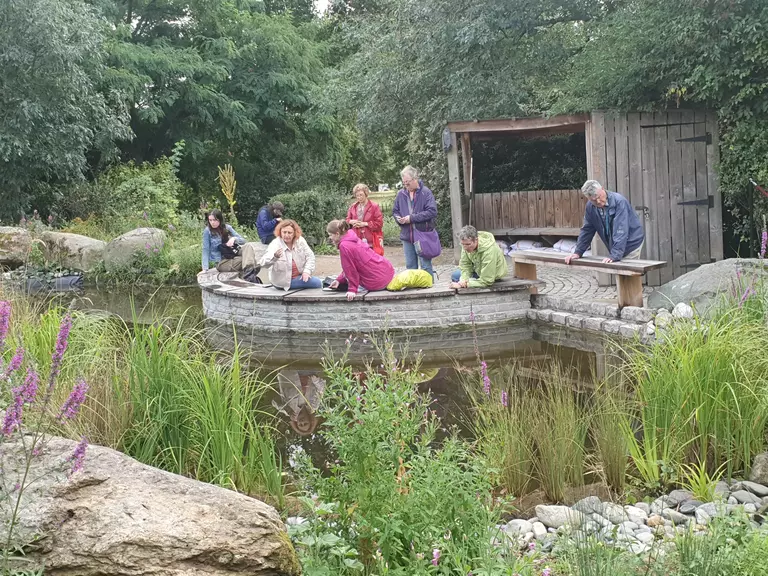
- A vital habitat for wildlife
The Great London Pond Project
- Driving impactful change
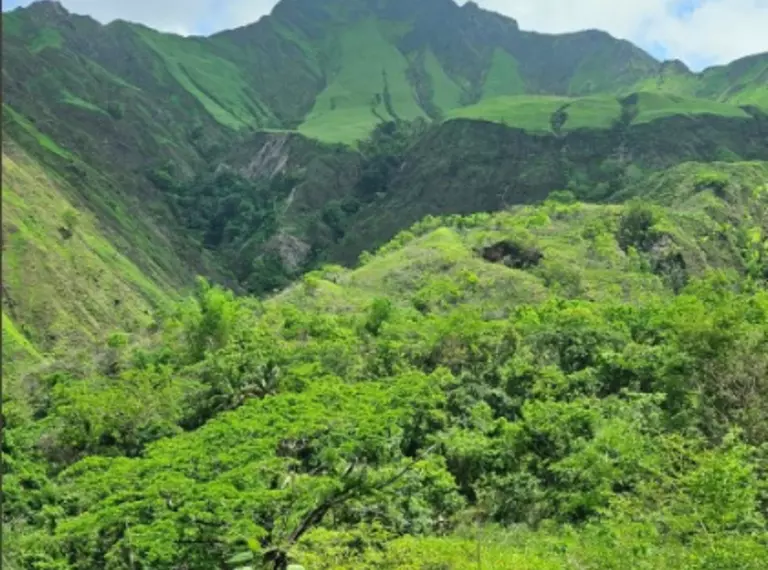
Biodiverse Landscapes Fund
The Western Congo Basin is one of the world’s most crucial biodiversity hotspots





- ...