



At ZSL we are working at the cutting-edge of conservation to develop and apply innovative technology to protect species around the world.
From Machine Learning to Instant Wild, emerging technologies are transforming every aspect of our daily lives. ZSL is at the forefront of applying technology to enhance the work of our conservationists and scientists.
Our technical solutions are developed by working closely with our teams in the field to understand their needs. We then work with partners to fulfil these from the ground up, experimenting with breakthrough technology, building pilot products and scaling successful solutions. We take a collaborative approach, bringing together business leaders, academics, investors and technology companies; bridging the gap to co-create game-changing solutions for global challenges.
- Visit instantwild.zsl.org and start tagging!
Instant Wild
In the field and behind the scenes, ZSL is working at the cutting-edge to protect critical species and revive ecosystems. And we really need your help.
- Our transformative conservation tech
Instant Detect 2.0
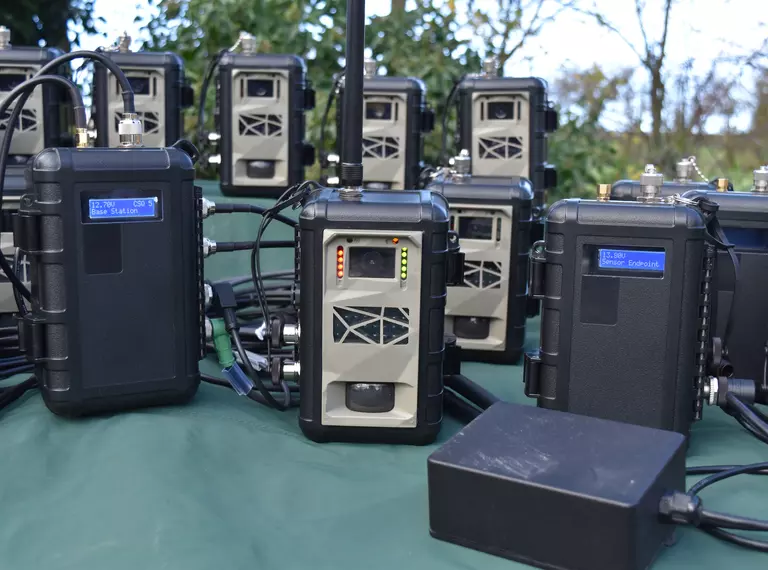
Instant Detect 2.0 is a wildlife, environment and threat monitoring system designed by conservationists for conservationists.
- Cutting-edge conservation tech
Machine learning for wildlife conservation
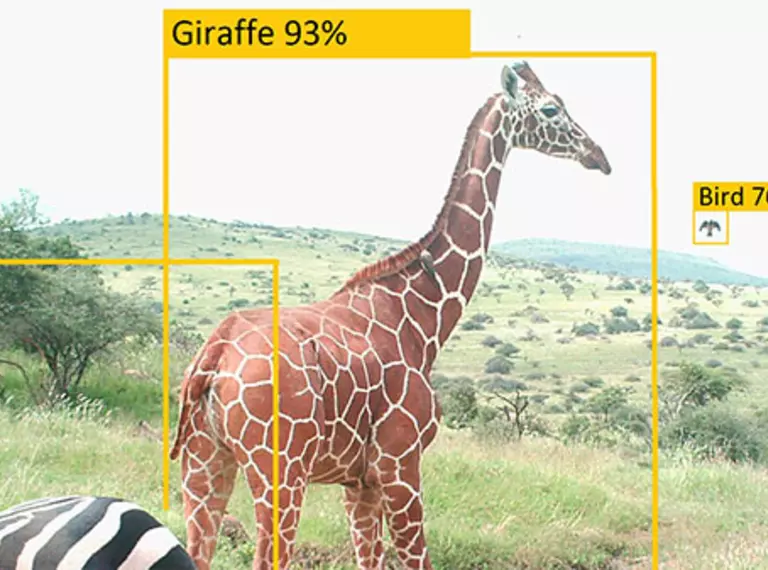
Speeding up the analysis of camera trap surveys and monitor wildlife trends in near real time.
- Conservation tech
SMART (Spatial Monitoring and Reporting Tool)
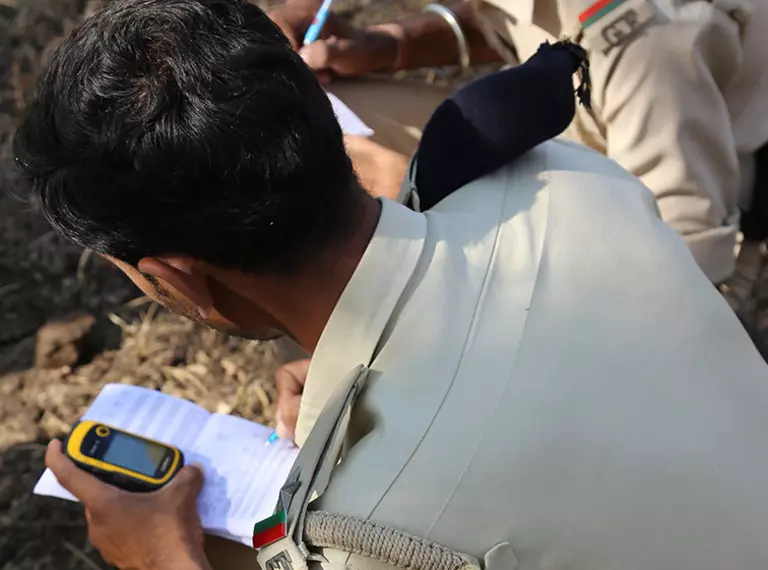
Our SMART (Spatial Monitoring and Reporting Tool) approach is a combination of software, training materials and patrolling standards to help conservation managers monitor animals, identify threats and make patrols more effective.
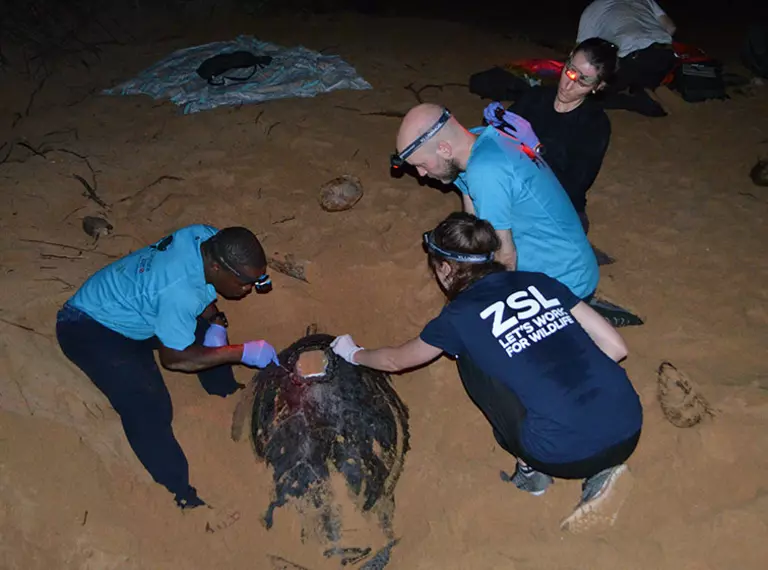
- Safeguarding sea turtles
Sea Turtle Tagging
Developing and applying innovative technology to protect species around the world.
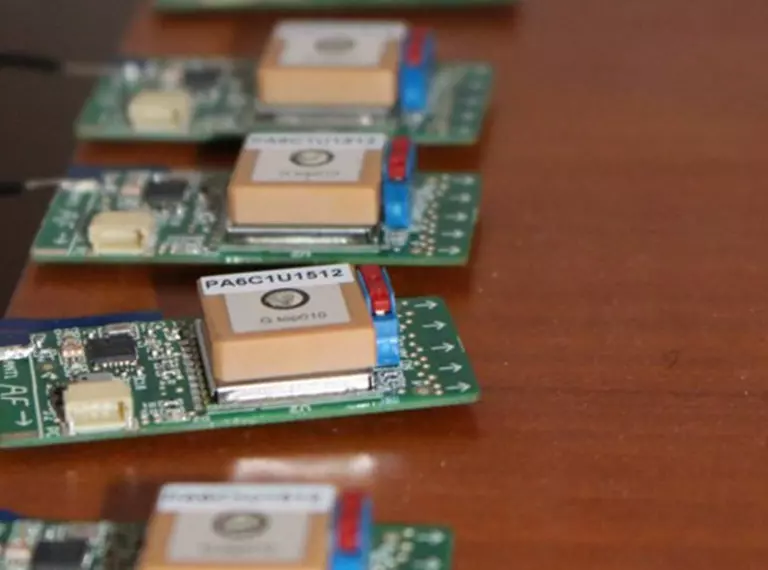
- Low-cost Wildlife Tracking Devices
Low-cost Wildlife Tracking Devices
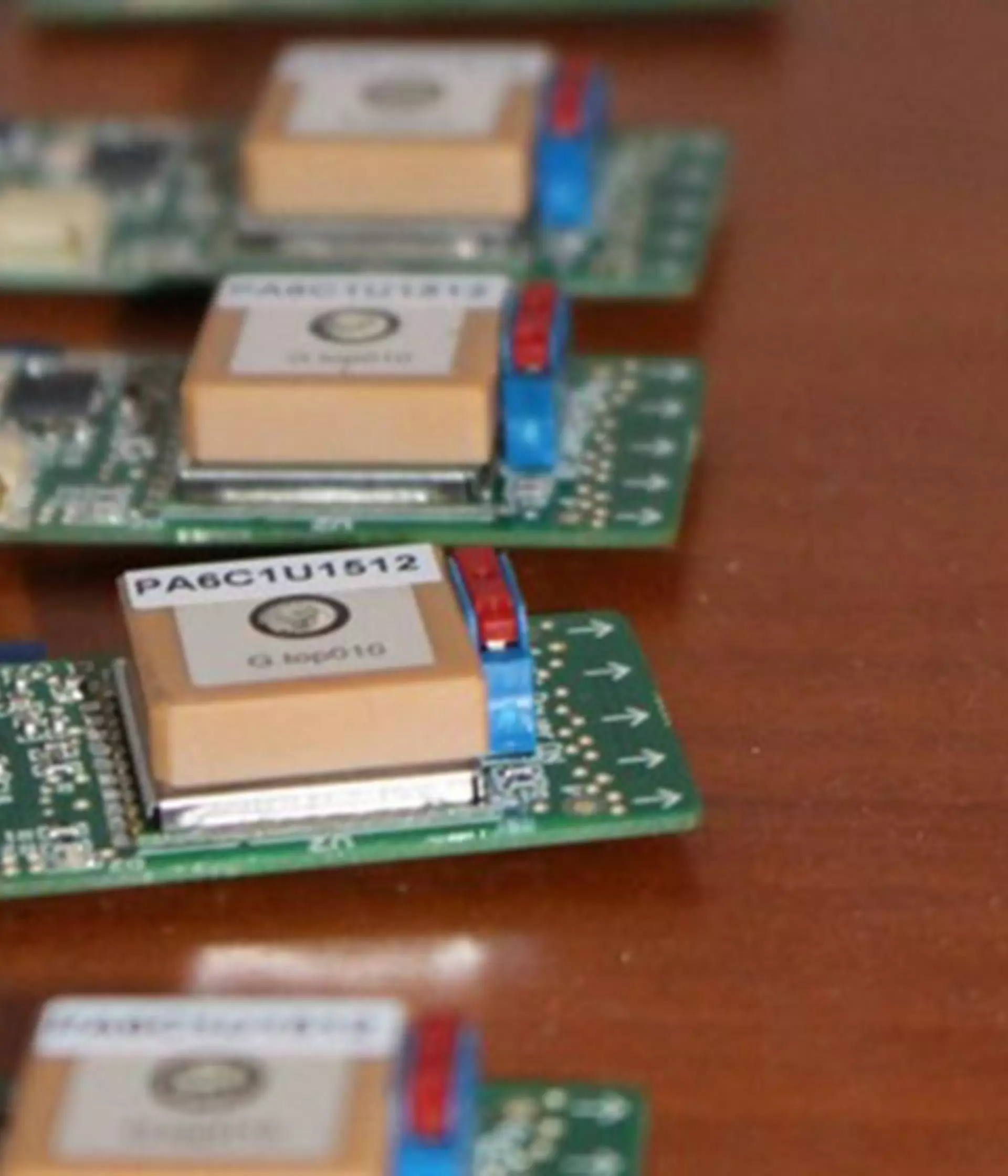
ZSL and partners are developing low cost tagging solutions to protect animals that are under threat.
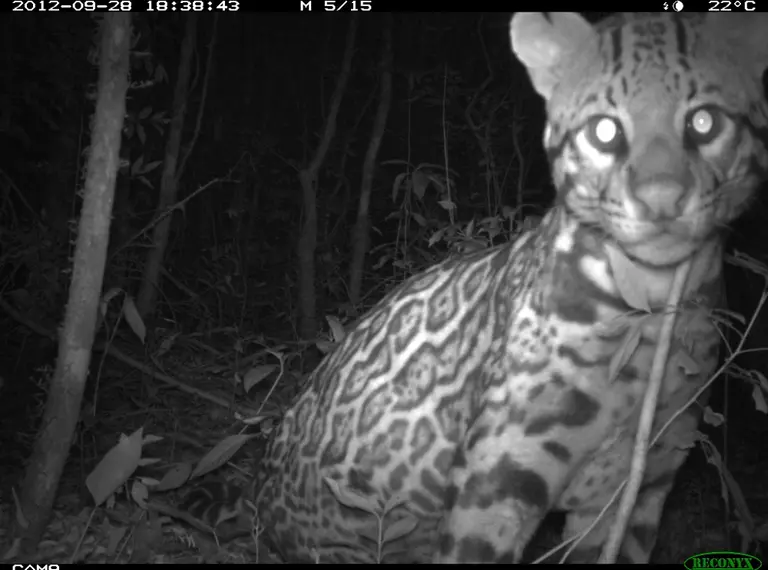
- Why we camera trap
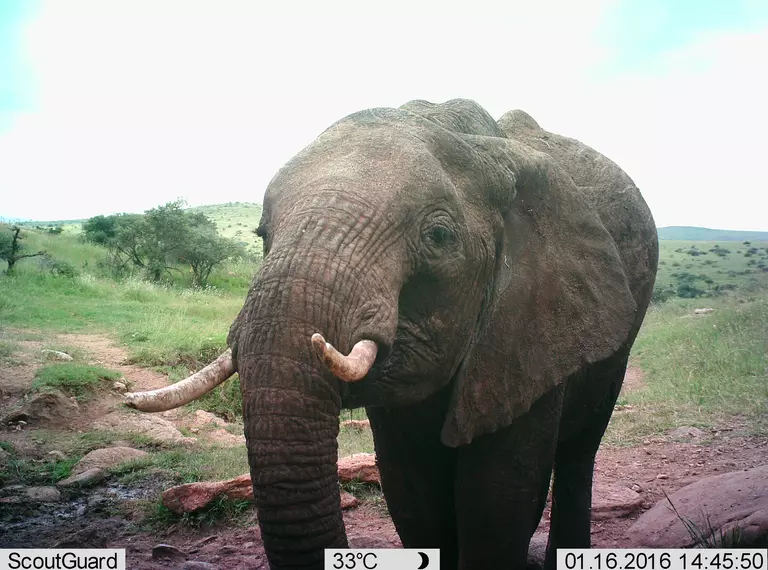
Camera Trapping
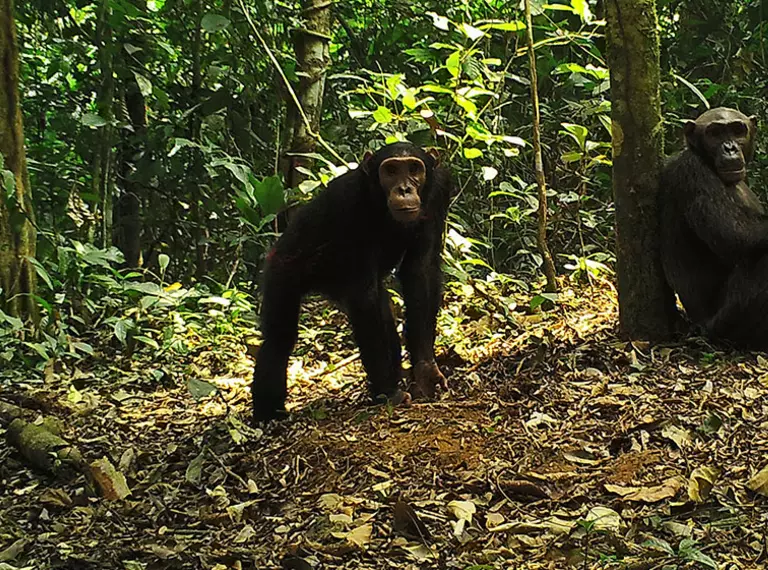
Today camera trapping has been transformed by technology to become a major tool for conservation organisations like ZSL.
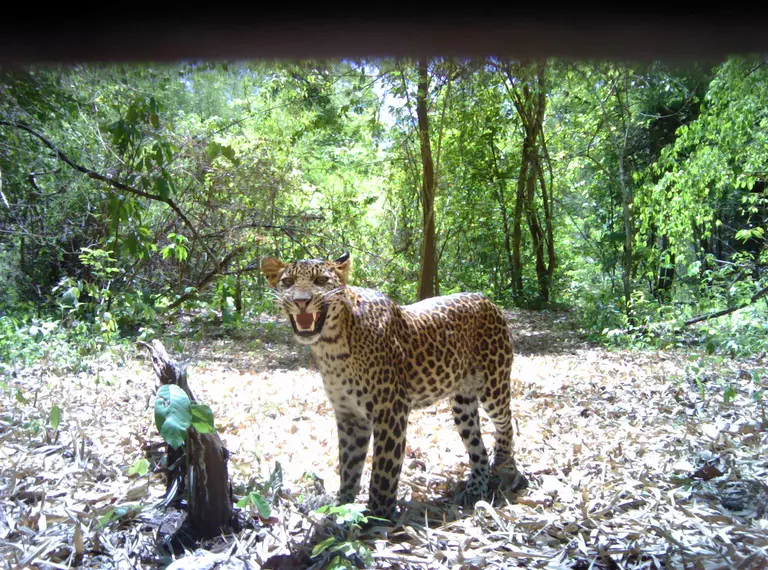
- Camera trap data management and analysis package
Camera trap software
Camera-trap surveys resulting in overwhelming amounts of data, but we are introducing software make conservation more efficient.
- 17 November 2020
The soundscape of conservation
ZSL monitoring & technology programme manager Dr. Anthony Dancer reveals how Google Cloud AI is supporting ZSL’s conservation work in Cameroon in surprising ways.
- Detecting illegal fishing vessels
Detecting Illegal Fishing Vessels
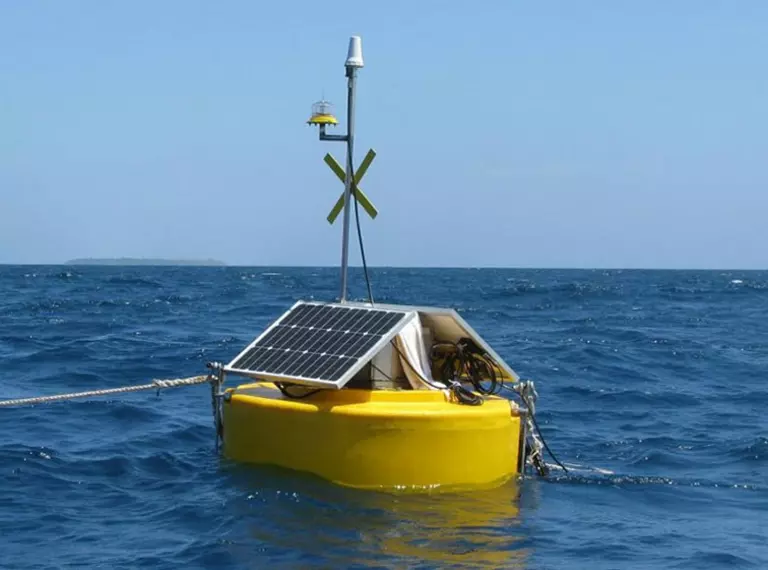
ZSL and partners used underwater acoustics to detect illegal fishing in Marine Protected Areas (MPAs).
- Forging tech collaborations
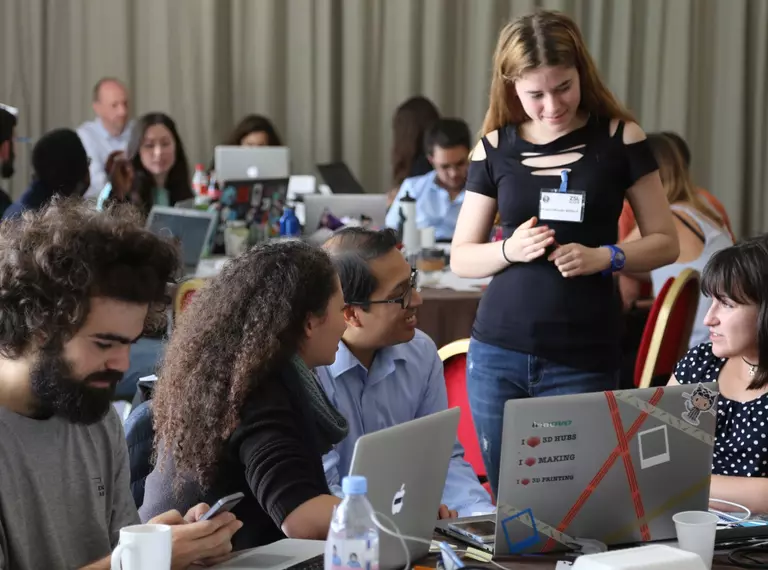
Forging tech collaborations