
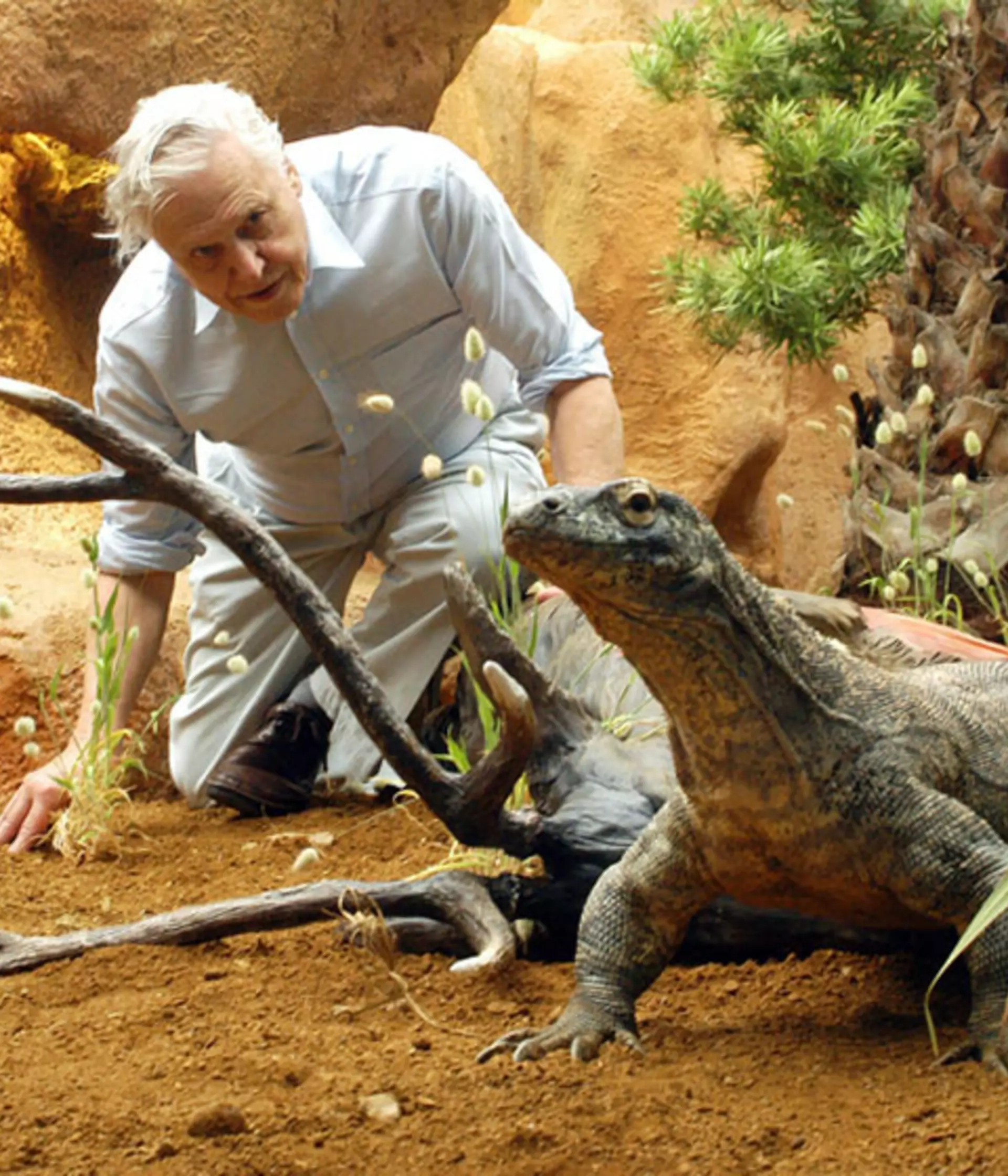
Komodo dragon at the Zoo
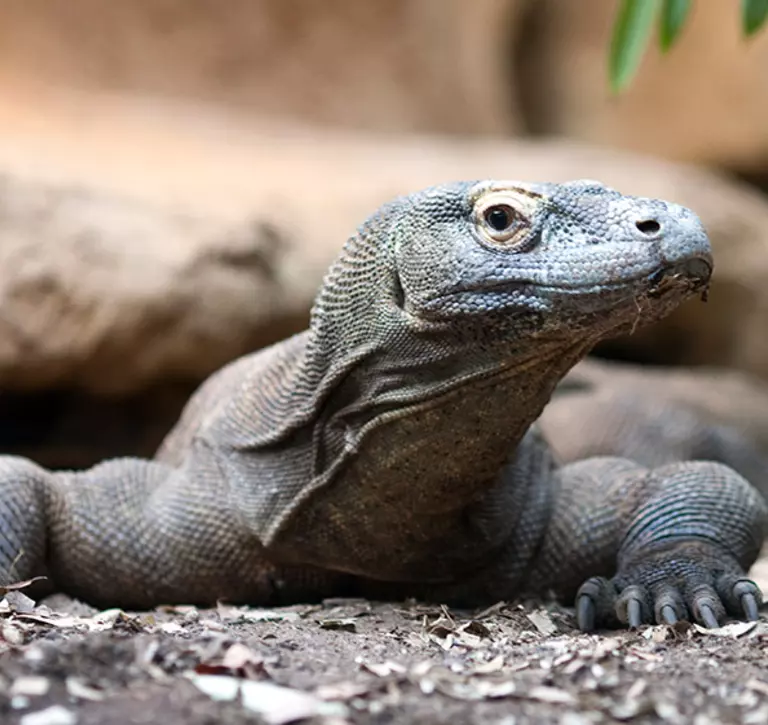
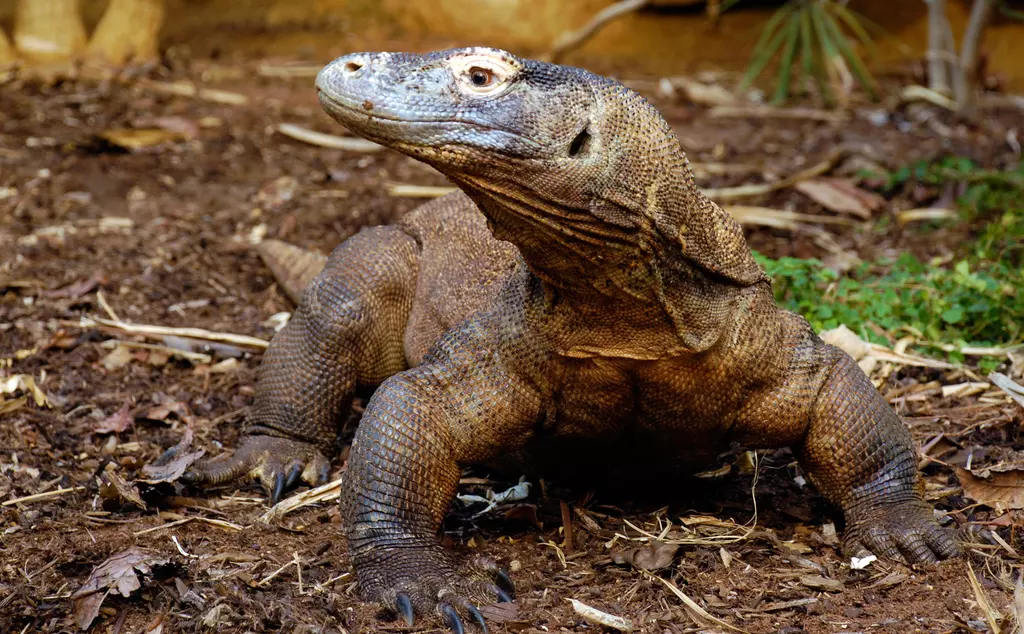
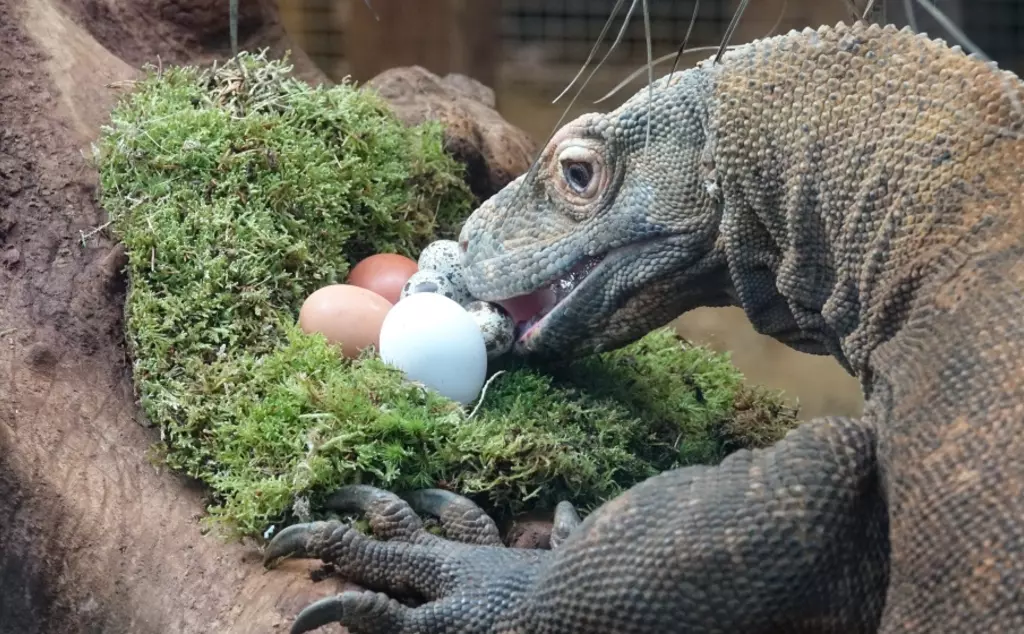
With razor sharp teeth and toxic saliva that can fell a buffalo, our Komodo dragon, Khaleesi, is a formidable predator.
Come and get face to face with our dragon prowling his state-of-the-art dragon's lair, and enjoy panoramic views through an unbroken sweep of more than 20 metres of dragon-proof glass.
This habitat has been naturally landscaped to mimic a dry river bed. The temperature-controlled biome designed to recreate the hot, rocky Indonesian islands where the species are found in the wild, complete with lush vegetation and sounds of Indonesian birds. Our 1.5 metre long female is affectionately named after Game of Thrones character Daenerys Targaryen, television’s famous ‘Mother of Dragons.’


Komodo dragon conservation
There are only a few thousands Komodo dragons left in the wild. The biggest threat to dragons is loss of their habitat, which is mostly due to human disturbance, including slash and burn agriculture.
Dragons are also in decline due to their prey disappearing. Humans compete with them to hunt deer and other animals that the dragons need to eat to survive.
We support a conservation project in Flores that is run by the European Association of Zoos and Aquaria. This project maintains and protects two reserves where there are still Komodo dragon populations, working with local people to monitor the dragons there.
The Attenborough Komodo Dragon House
Our Komodo dragon was renamed after Sir David Attenborough at an official ceremony on 9 August 2016 in celebration of his 90th birthday.
As well as marking the internationally-renowned wildlife expert’s milestone birthday, the newly named exhibit celebrates his long-standing history with London Zoo and Komodo dragons.
60 years ago, in 1956, Sir David and his team were the first crew to ever capture Komodo dragons on camera, while filming for the iconic BBC series ‘Zoo Quest for a Dragon’ - in which Sir David sought to locate the amazing creatures in their native Indonesia, in partnership with ZSL London Zoo. Never intending to be in front of the camera, Sir David’s career was launched with the first series of Zoo Quest, when he stepped in as presenter in the place of London Zoo’s then curator of reptiles, Jack Lester, who had unfortunately fallen ill.
“Sir David Attenborough has had a profound impact on all of us here at the Zoological Society of London, as well as inspiring millions of animal lovers around the world" said our director general.
“Sir David’s rich history with ZSL is something we’re incredibly proud of, from his ground-breaking TV series filmed at our Zoos to becoming an honorary Fellow of the Society, and we wanted to celebrate his 90th year with a meaningful acknowledgment.
“Komodo dragons were first introduced to the British public by Sir David 60 years ago, on BBC’s iconic series ‘Zoo Quest for a Dragon’, so we felt it was a perfectly fitting tribute to name this exhibit in his honour.”

Sign up for Zoo updates

Get animals in your inbox
From the fresh pitter patter of tiny feet to massive new arrivals, get the latest Zoo news straight into your inbox.