



Understanding wildlife populations to shape conservation
To recover and restore wildlife, we first need to understand where it most needs our help. Our evidence-based approach enables us to target the species and ecosystems most in need of support. We complete the most comprehensive scientific studies of average wildlife populations to shape wildlife conservation, through informing policy and conservationists across the world.
Conservation works best when it's powered by science.
Our work is instrumental in assessing a species threat of extinction, helping create Red List assessments for all kinds of animals. We are uncovering the impact of the biggest causes of biodiversity loss today, from the climate crisis to the illegal wildlife trade, and creating positive routes to recovery.
By developing predictive ecological models to understand the complexity of the challenge ahead, we are driving forward towards a world where wildlife thrives.
Restoring healthy ecosystems so people and wildlife can thrive together.
- Building a nature-positive society
The Red List Index Project
The results of the global LPI are published biennially in WWF's Living Planet Report, a leading science-based publication on the state of the planet and associated challenges and solutions.
- Protecting animals on the EDGE
Monitoring and Technology
We are working at the cutting-edge of conservation to develop and apply innovative technology to protect species around the world.
- In partnership with Greenland Institute of Natural Resources
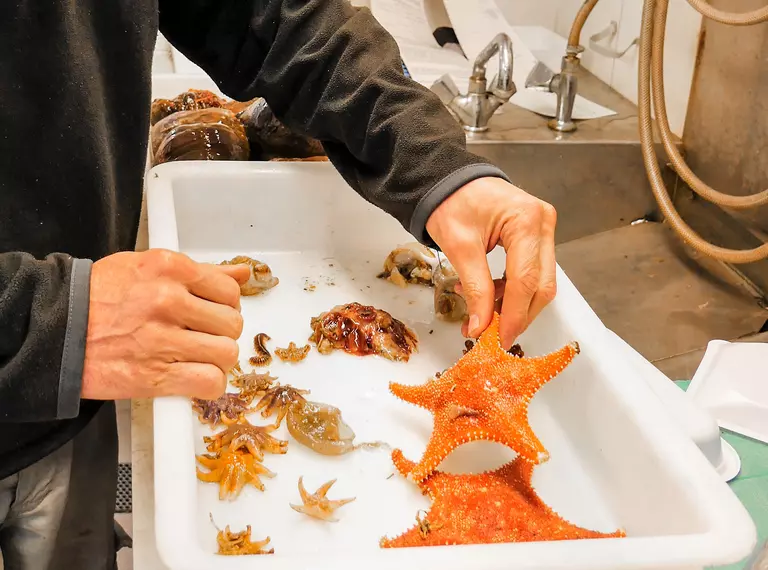
Benthic Habitats of West Greenland
Exploring the benthic habitats of the continental shelf of West Greenland to examine the impact of the shrimp trawl fishery.
- Creating a new future for an ancient species
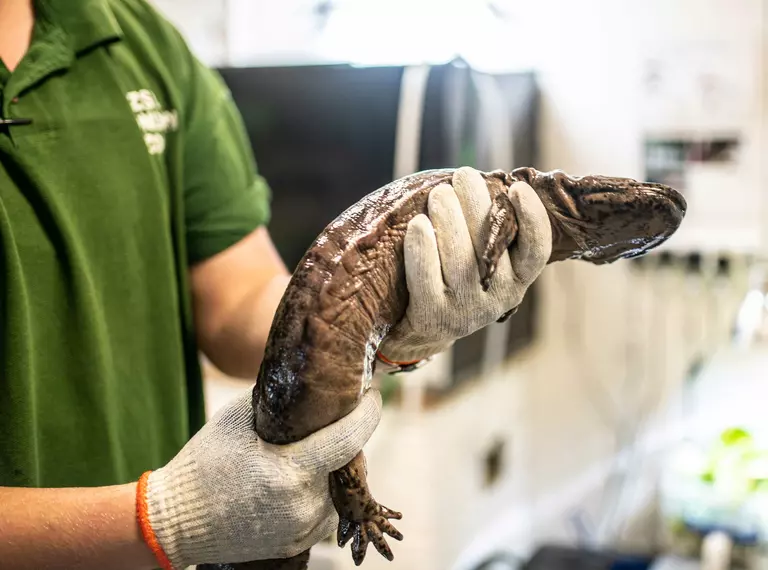
Chinese giant salamander conservation
Together with our partners, we completed the largest ever wildlife survey in Chinese conservation history, and discovered just 24 giant salamanders, all of which were likely escapees from farms.
- Climate change and biodiversity
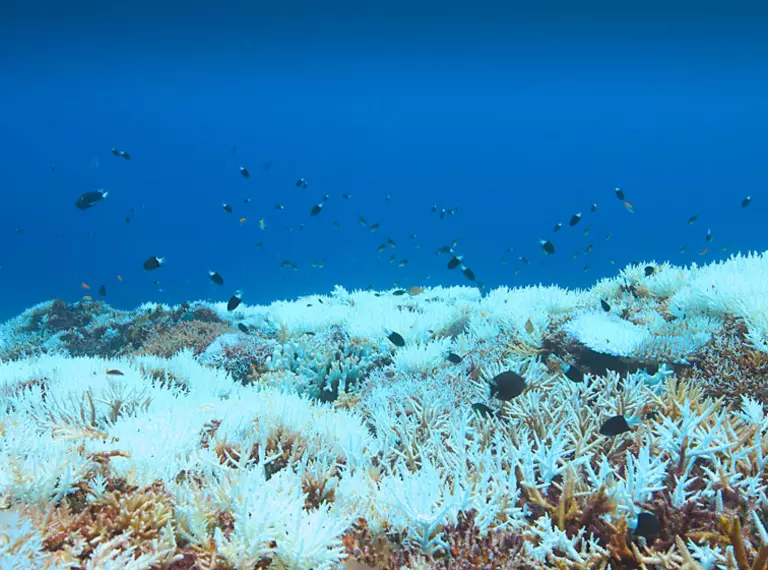
Impact of climate change on wildlife
Predicting and managing the impacts of extreme climatic events on biodiversity.
- Investigating complex marine ecosystems
Indian Ocean Marine Science
We're collborating to protect the Indian Ocean, with 121 peer-reviewed papers have been generated between 2017-2021 from the research in the region.
- Building a nature-positive society
Living Planet Index
The results of the global LPI are published biennially in WWF's Living Planet Report, a leading science-based publication on the state of the planet and associated challenges and solutions.
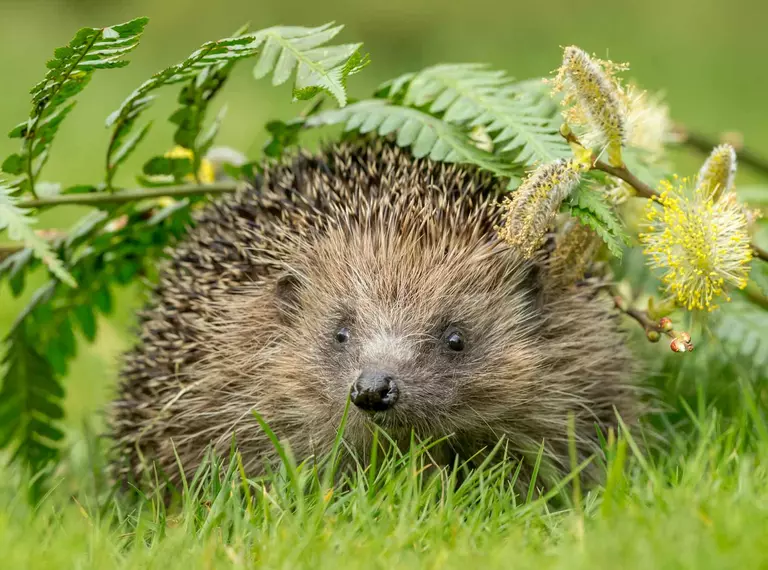
- Hedgehogs are now classified as ‘vulnerable to extinction'
London HogWatch
London HogWatch identifies hedgehog populations in greater London to promote conservation strategies for their protection, connection and expansion.