
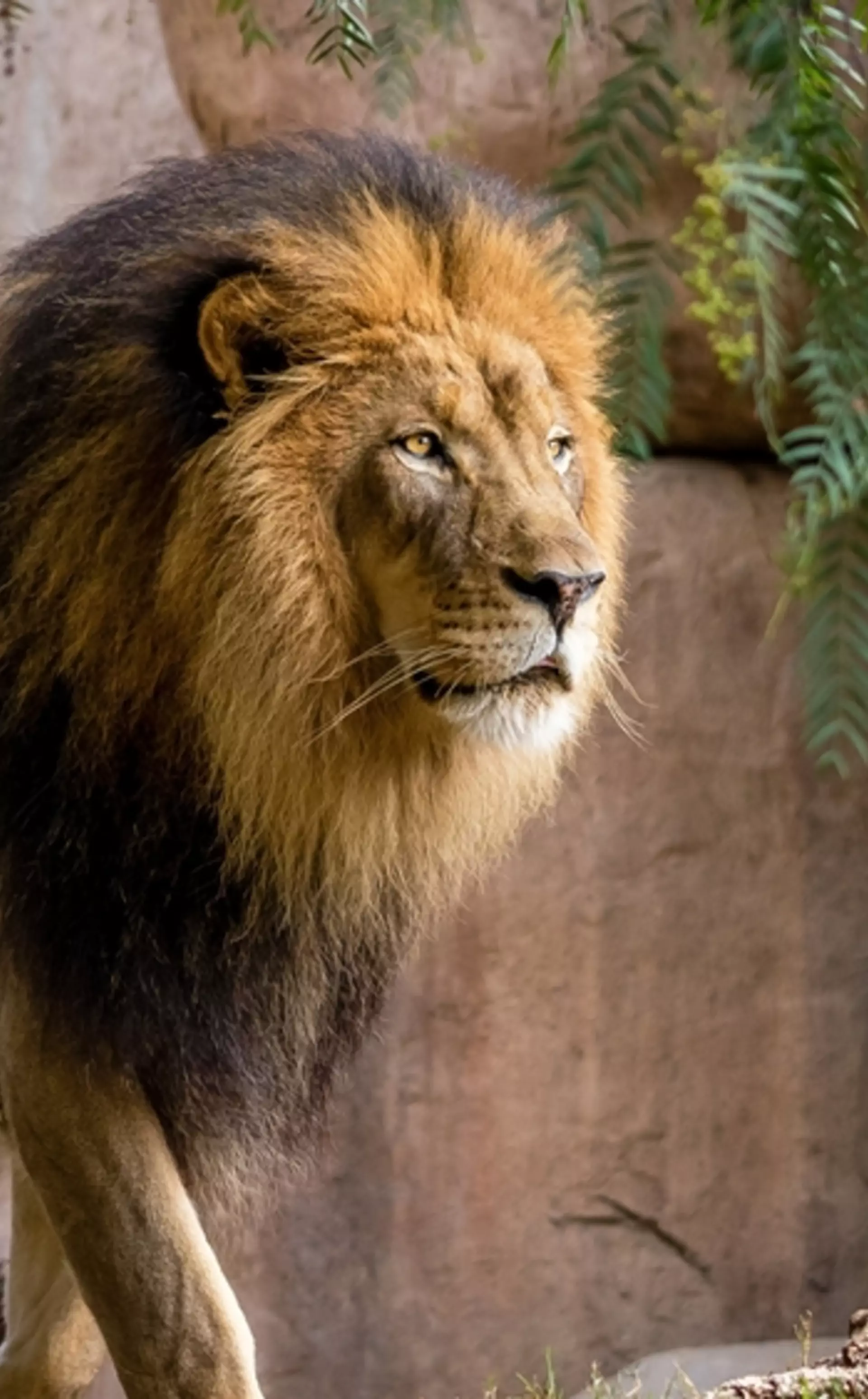
Building stronger connections to wildlife for over 200 years
Through our leading Zoos we bring people closer to nature and use our expertise to protect wildlife today, while inspiring a lifelong love of animals in the conservationists of tomorrow.

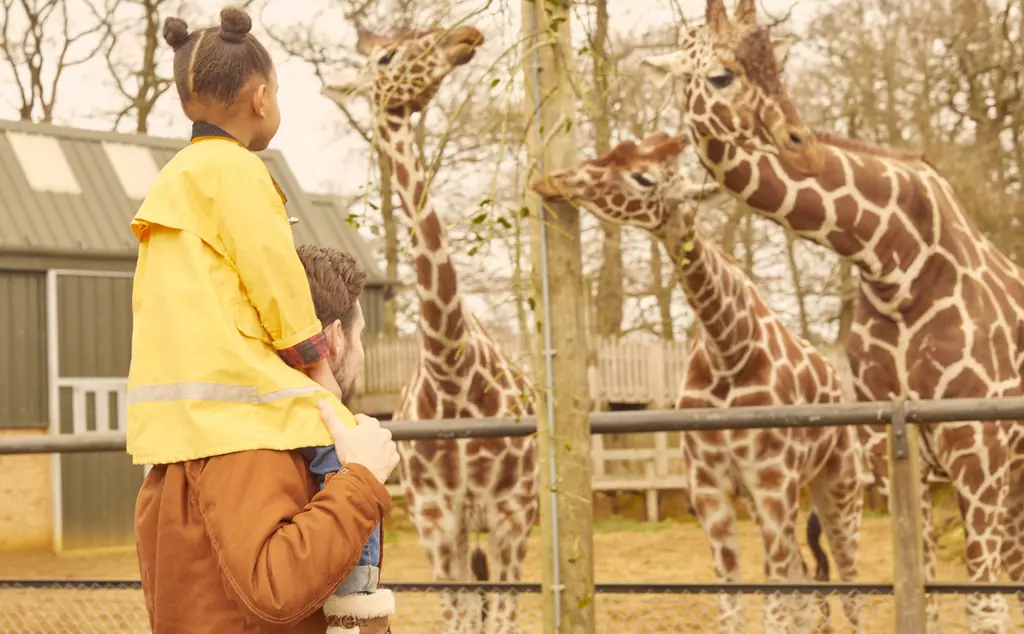

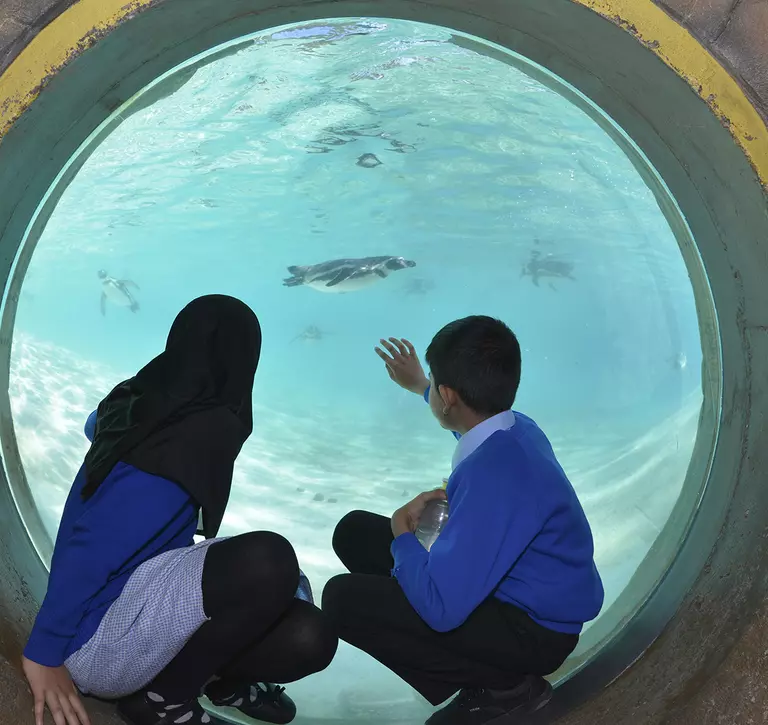
Science-based conservation is at the heart of everything we do
Under-pinned by world-leading science, our Zoos play an active and crucial role in global conservation. Home to many endangered species, they are unique centres of conservation excellence, deepening our understanding of animals and supporting new and innovative ways to restore wildlife.
London Zoo is a unique conservation Zoo in the heart of one of the world’s most vibrant capital cities, while Whipsnade Zoo is a unique destination to get close to wildlife and explore the wonder of the natural world. With every visit, you are helping us to inspire change, protect species, restore global ecosystems and help people and wildlife live better together, worldwide.

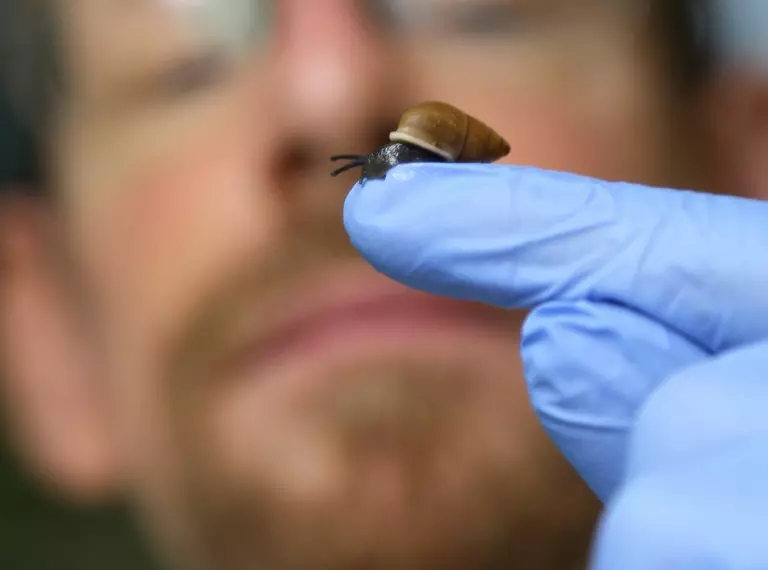
Learn more about London Zoo's role in conservation
Making a difference worldwide from heart of our capital
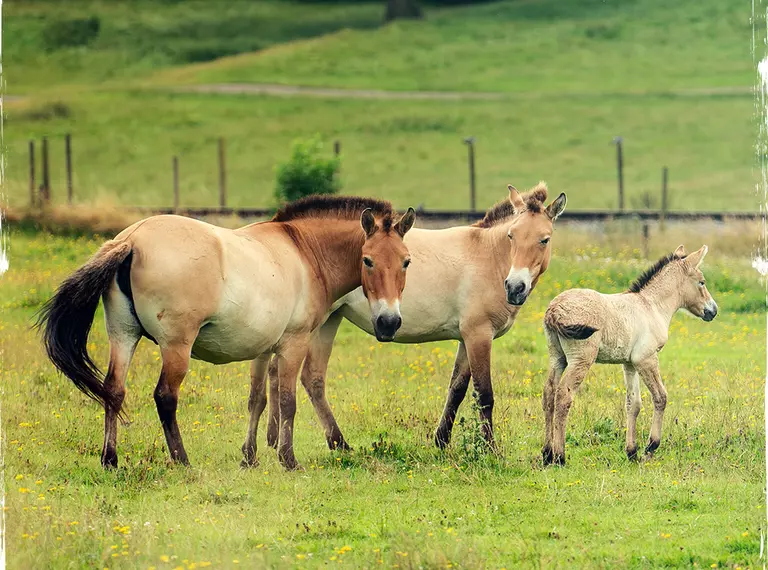
Over 600-acres of conservation zoo
Learn more about Whipsnade Zoo's role in conservation