
Collaborating with communities big and small around the world, we’re driving forward a journey of recovery by protecting critical species and reviving essential ecosystems.
Our experts can be found scattered across the globe, working on the ground and in the field to deliver powerful, sustainable and innovative solutions that work for wildlife, people and the planet.
From locating the remaining populations of threatened species to promoting sustainable wildlife-human relations in local communities, our conservation projects address the most urgent, and most complex challenges facing our planet.
Pick a region below to find out more about the pioneering work we’re doing there:
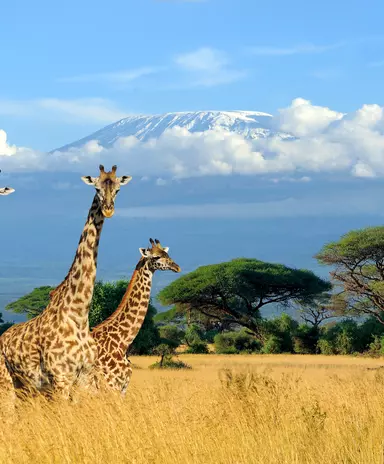
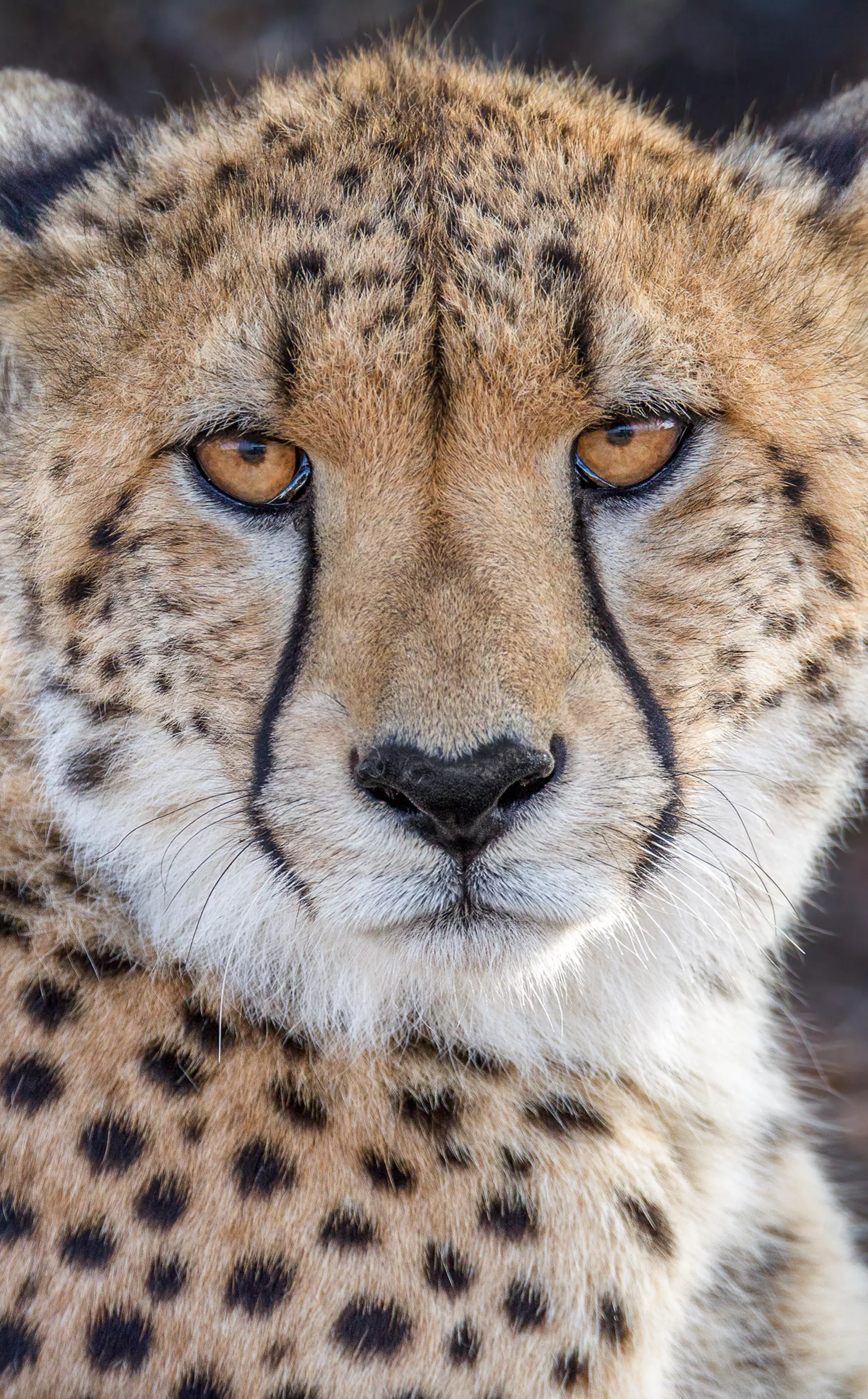
The second largest continent on earth, Africa is home to some of the world’s most well-loved animals, from the lion and rhino to the hippo and African elephant. Find out more about our conservation projects in Africa.
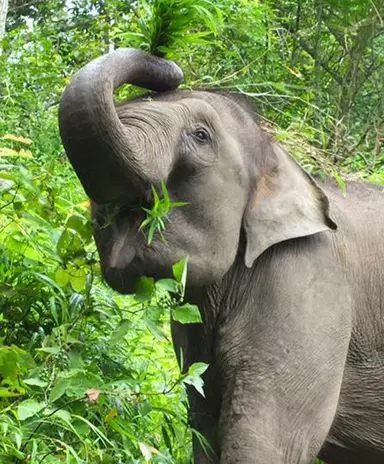
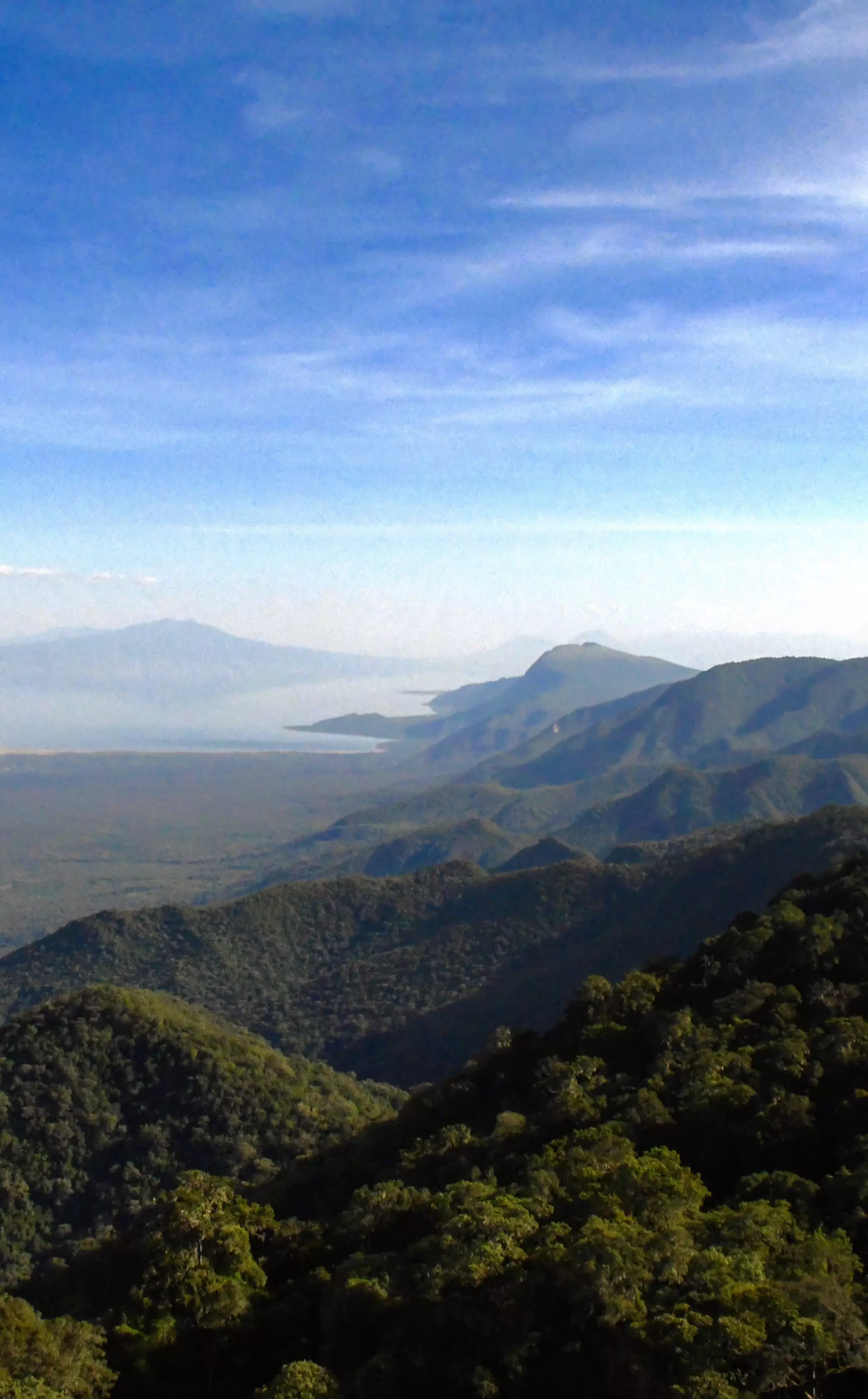
We work across the world’s largest continent, protecting some of the most important species for biodiversity, as well as some of the most threatened on earth. Learn more about our conservation work in Asia.
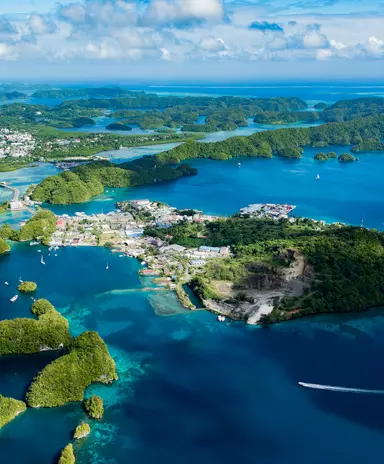
An incredibly biodiverse continent containing a huge range of magnificent ecosystems, Oceania’s wildlife is, nonetheless, under increasing pressure. Find out how our experts are helping to overcome these grave threats.
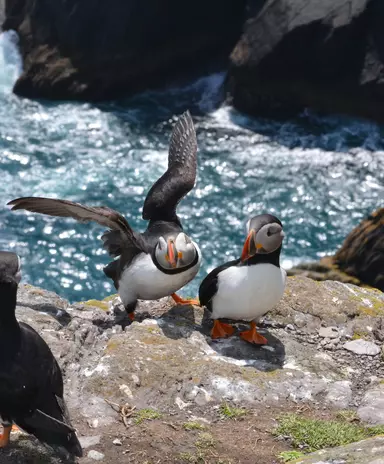
At home and on the continent, our experts are on the ground working on groundbreaking solutions to hugely difficult biodiversity challenges. Learn more about our conservation projects in the UK and Europe, where the landscape has changed dramatically, causing serious problems for wildlife.
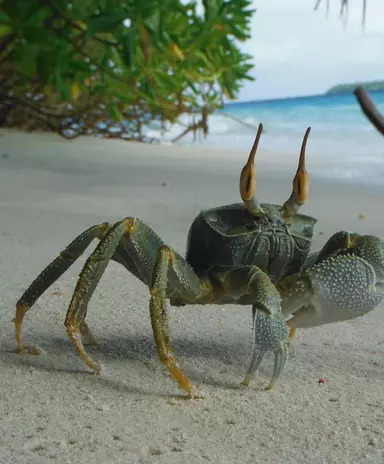
Some of the UK’s most amazing marine biodiversity is actually located far from British shores. Find out about our work supporting a large number of rare and threatened species in the waters around UK Overseas Territories.
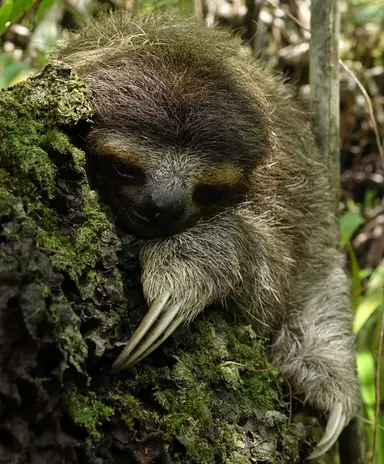
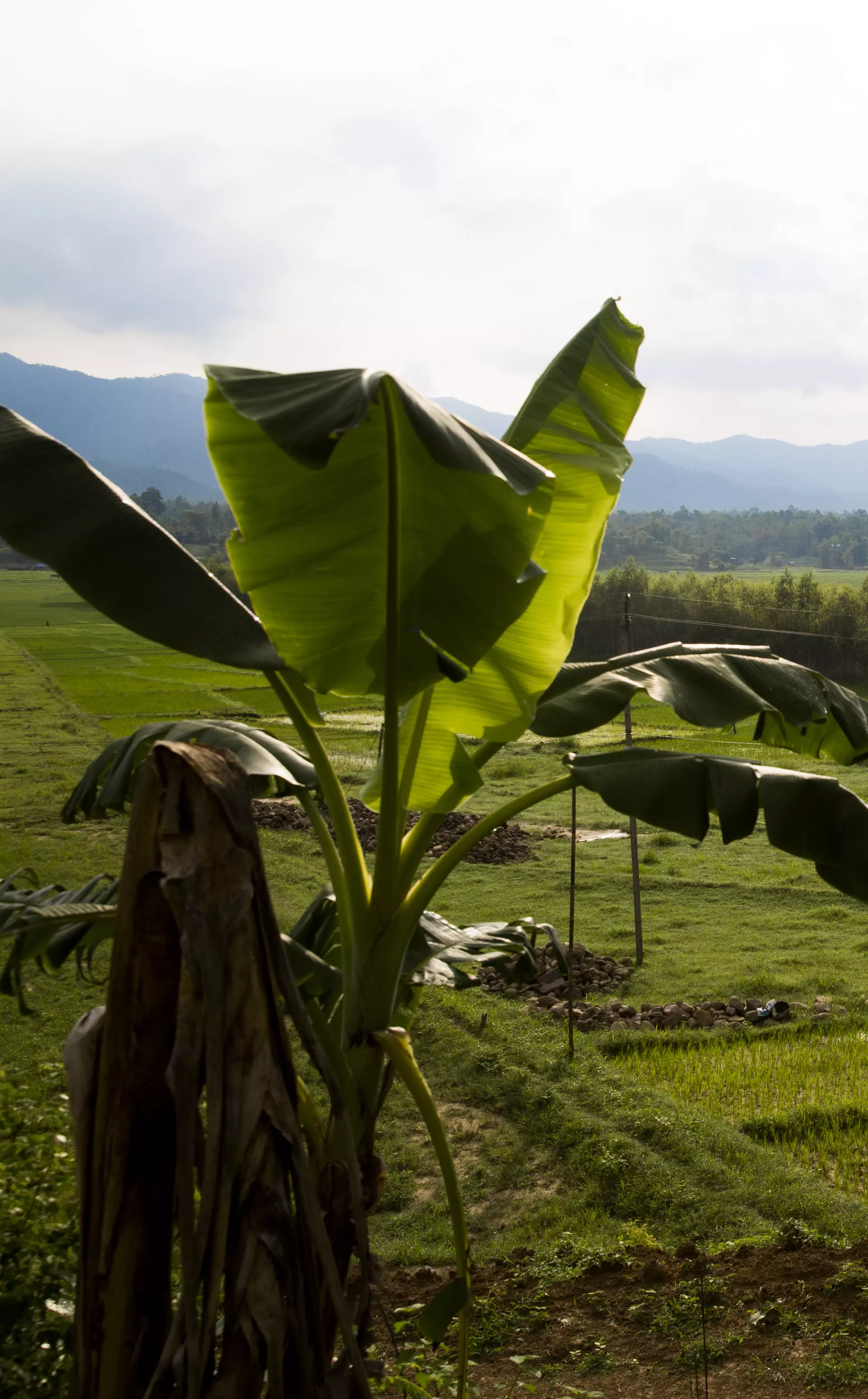
Our work in Latin America and the Caribbean focuses on building on-the-ground capacity to secure the future of some of the region’s most unique and threatened species, including the pygmy sloth in Panama and the mountain chicken.
Together, we have the power to make a difference. Please donate today.