
Meet the London Zoo Media Team
The London Zoo press team is here to help, please get in touch with any one of us. If you have an image request, or need information on carrying out any media activity at London Zoo, just drop us a line.
Urgent out-of-hours enquiries
- 07889 043 843
Please note that only calls and emails will be responded to. The text message and whatsapp inbox is not manned for the above numbers.
Rebecca Blanchard
Media Manager – [email protected]
- 07889 043 843
Rebecca oversees the London Zoo press team. Please get in touch with any queries relating to London Zoo, media partnerships with London Zoo, broadcast projects and documentaries or if you'd like to find out more about London Zoo’s conservation work.
Stephanie Deas
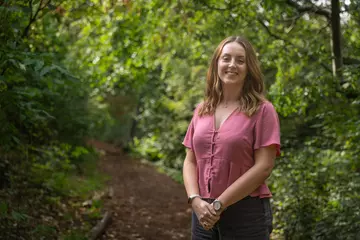
Press Officer - Fundraising and Commercial – [email protected]
- 07890 039 164
Stephanie looks after all media for London Zoo’s charitable activities – from our packed schedule of fundraising events to appeals and campaigns. Stephanie also manages media activity for London Zoo’s catering, retail outlet, online shop, and all experiences, including overnight stays, Keeper for a Day and Friendly Spider Programme. Please get in touch if you have a media query about these.
Want to film your next production at London Zoo?
ZSL’s iconic Zoos and historic venues have made perfect backdrops for many films, photography shoots and television programmes. Commercial film shoots incur a location fee, and if you are looking to use any of ZSL’s venues or locations, seeking to reproduce a ZSL-owned image or conduct research for a project that is not about the work of ZSL, please email [email protected].
MORE INFORMATION ON OUR COMMERCIAL IMAGE LIBRARY
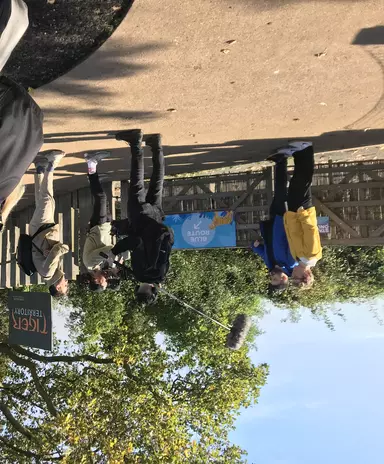
Explore our commercial filming opportunities
We've accommodated production company shoots featuring Sir David Attenborough, Harry Styles, Margot Robbie and many many more. With no filming need too big or too small, if you're exploring commercial production opportunities we've got competitive prices for our amazing animal backdrops and amazing architecture locations - and all with a friendly team to look after your crew.