



Protecting endangered species
We're working with some of the most endangered species on the planet to restore the natural world.
From research to fieldwork, and in our Zoos, we identify and conserve the species at risk of extinction – and get them on the road to recovery. We've completed the most comprehensive scientific study of average wildlife populations to shape conservation globally, replanted over one million mangrove trees and rescued pangolins from the clutches of the illegal wildlife trade.
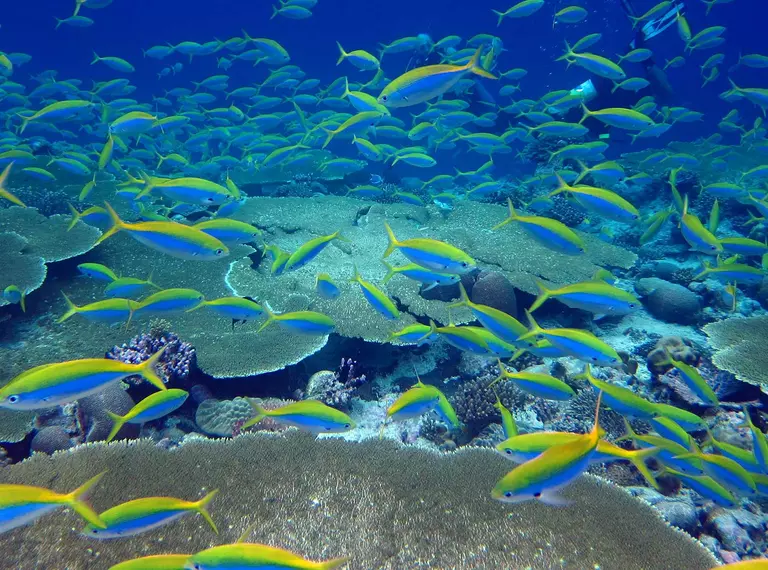
Fish and Invertebrates
From clouds of Monarch butterflies flying from the trees after their winter hibernation, or 50 million sardines synchronised together and moving as one, these species are responsible for some of the most awe-inspiring moments on earth.
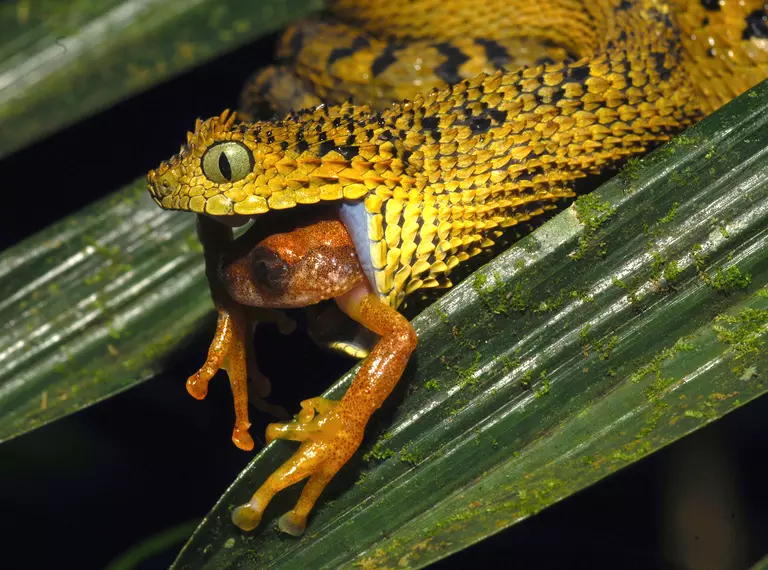
Reptiles and Amphibians
Pressures such as the deadly chytrid fungus, illegal trade, habitat loss and climate change have led to predictions that a large proportion of all reptile and amphibian species could go extinct over the next century.
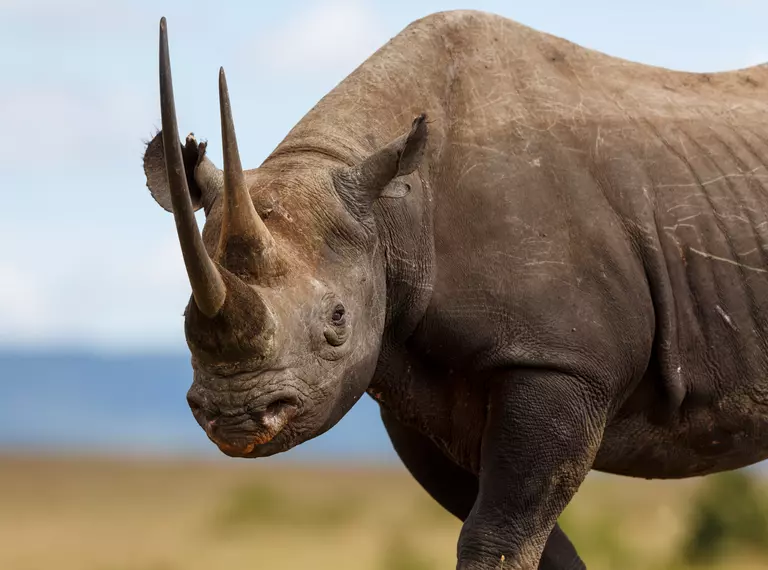
Black rhino
We’re working to find new ways to fight poaching for the illegal wildlife trade, like developing technology that uses sensors and cameras to detect humans and wildlife.
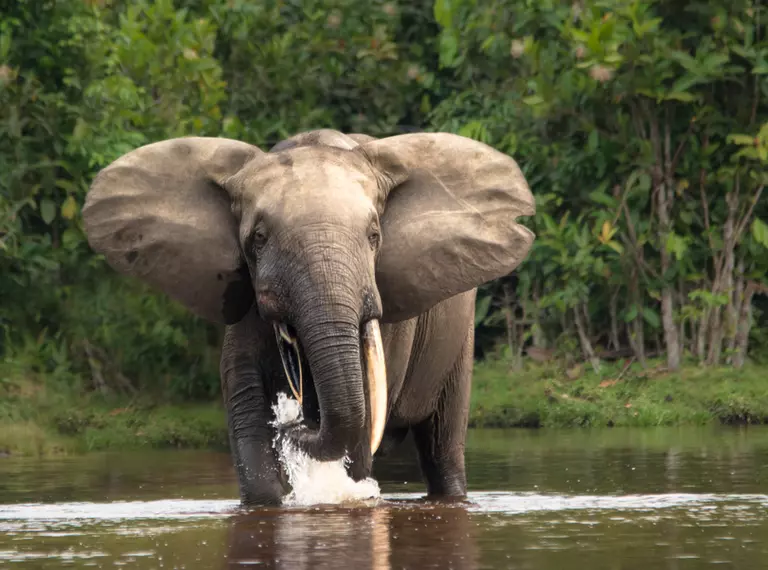
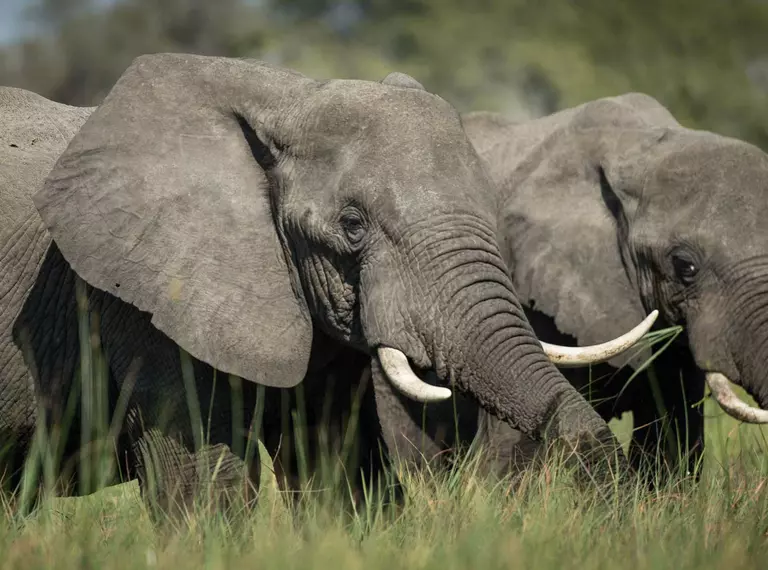
African forest elephant
Historically, African elephants have always been treated as one species, but in 2021 this all changed.
African Savannah elephant
The main threats to the remaining savannah elephant populations in this region are illegal poaching for ivory alongside habitat loss and fragmentation.
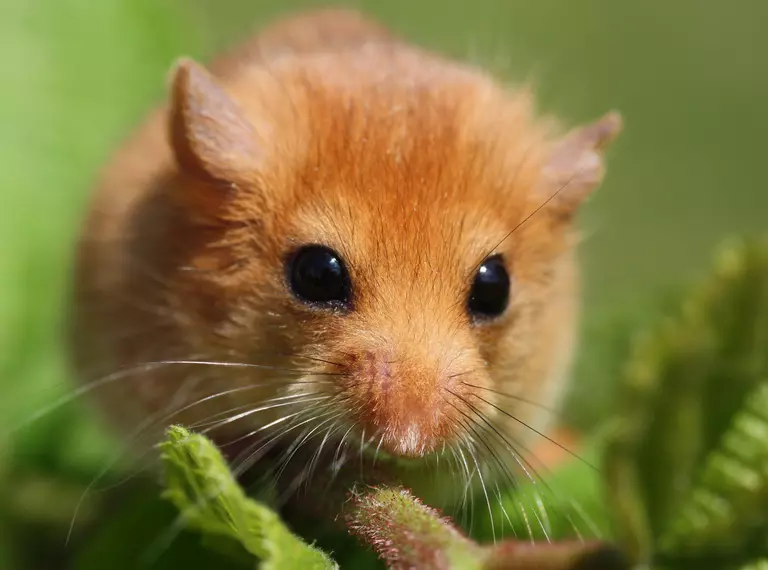
Hazel dormouse
By working together with our conservation partners, we've managed to successfully reintroduce over 1,000 dormice
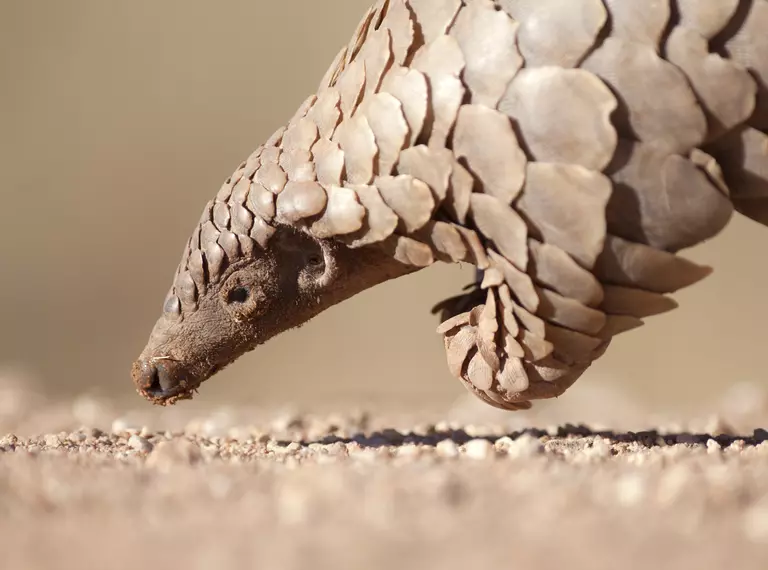
Pangolins
Once found thriving in the wild, today all of the eight remaining species of pangolin are rapidly decreasing in numbers. We're working to o keep them a part of a vibrant and balanced world of wildlife and biodiversity.
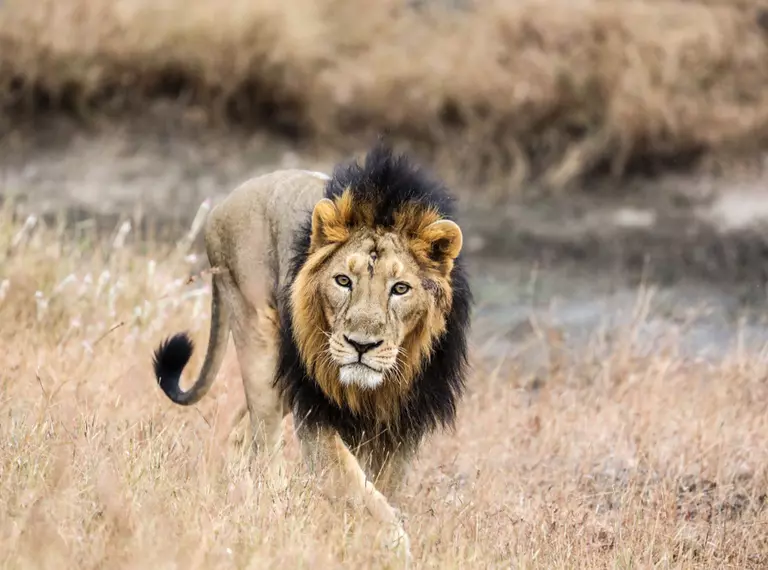
Lions
Male lions' manes are used to attract females, as well as protecting their neck and head from injuries during fights.
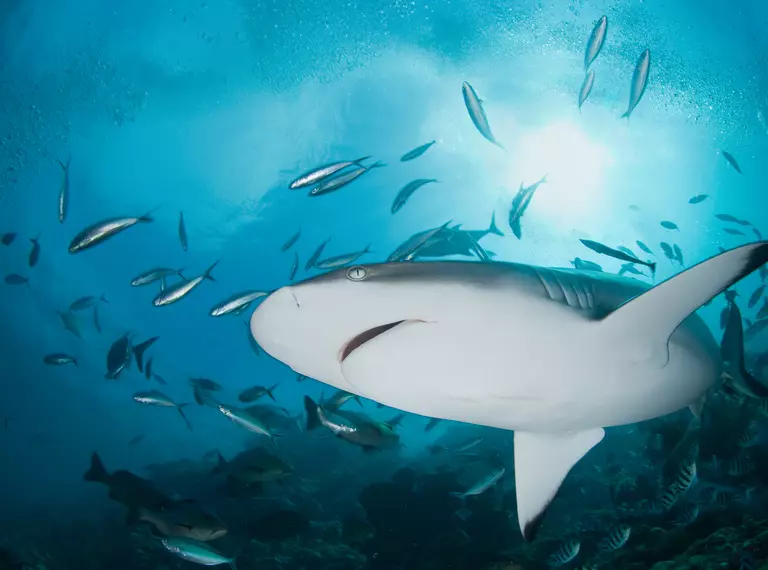
Sharks
We're experts in the field of shark research and work all over the world with our partners to study and conserve several different species.
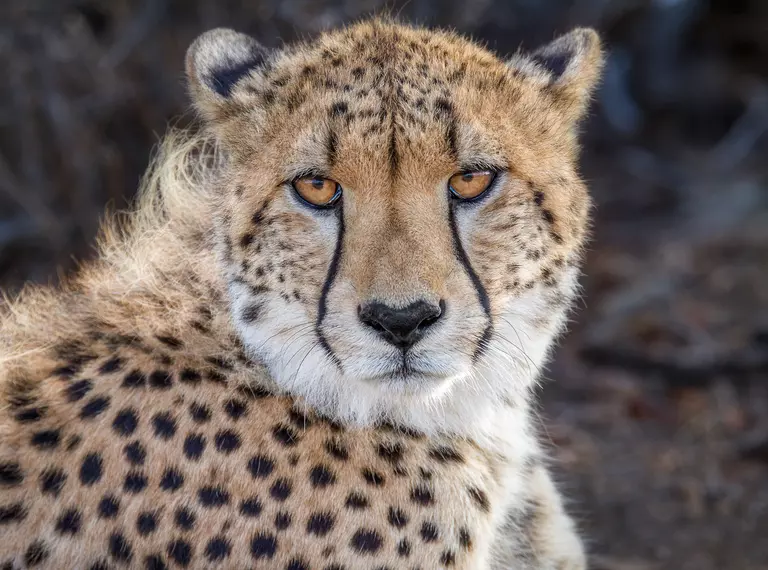
Northwest African Cheetahs
Northwest African Cheetahs are extinct in more than 20 countries, with fewer than 8,000 remaining in the wild.
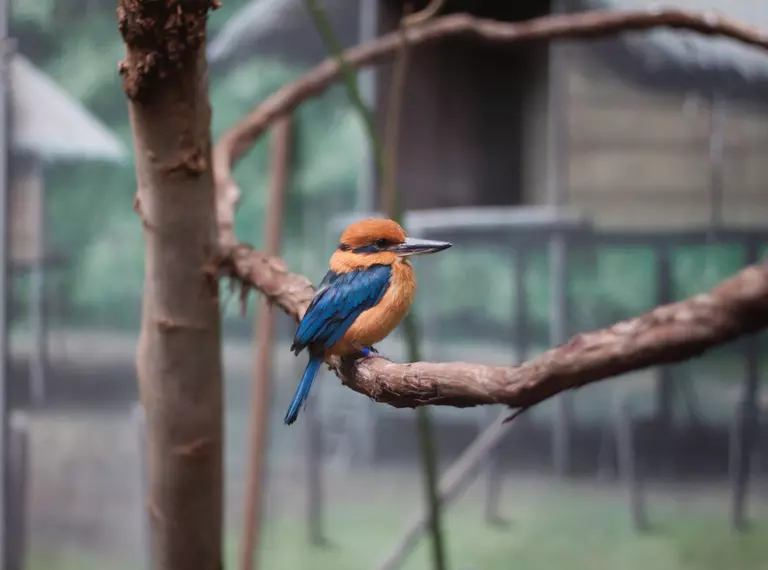
Birds
Learn more about the important bird conservation and protection work carried out by ZSL by experts around the world.
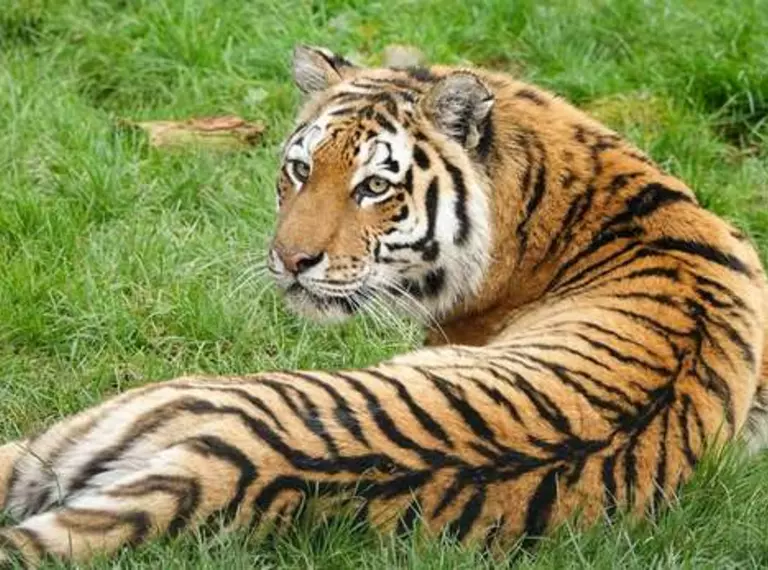
Amur tiger
Discover Amur tiger threats and how, at ZSL, we're working to save Amur tigers.
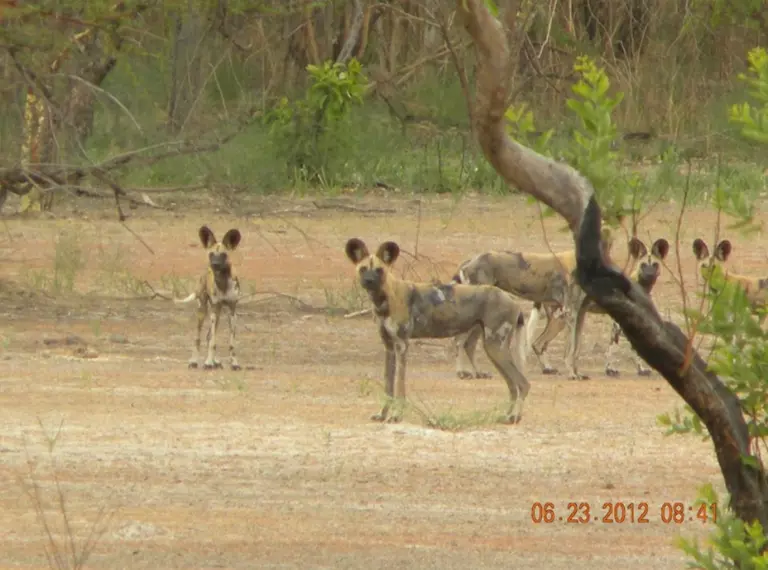
West African wild dog
We're fighting for their future in their last remaining stronghold, where there are just 70 remaining individuals in the wild.
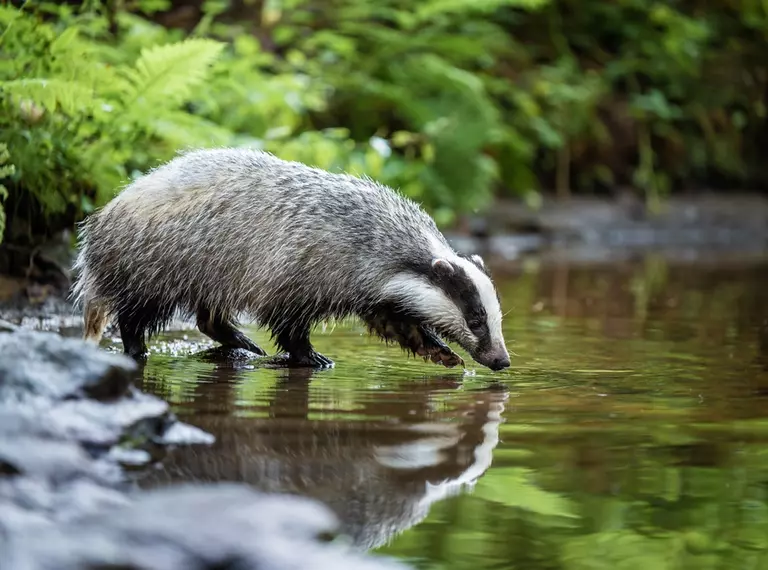
Badger
Get the lowdown on these iconic stripy-faced mammals with our surprising badger facts!