






Wildlife conservation at ZSL
Our vision for the future is a world where wildlife thrives - a more balanced, connected and vibrant world where people and wildlife live better together.
Achieving this represents one of the greatest challenges humanity faces. ZSL’s role is to develop solutions that help people and wildlife live better together, whilst driving the recovery of species and habitats.
Our approach is to put cutting-edge conservation science into practice to drive innovation for wildlife recovery.
By shining a light on the causes and effects of biodiversity loss, we can deepen our understanding and knowledge of the living world; find new and better routes to recovery and empower global efforts to achieve lasting, positive change for life everywhere.
Learn more about ZSL's future plans and goals for conservation in our 2024-30 Strategy, Restoring Nature: A Blueprint for Wildlife Recovery. Download the documents below:
Our priorities
From research to fieldwork, hands-on and behind the scenes, we’re working at the cutting-edge of conservation identifying species most at risk and creating practical routes to recovery.
Discover moreCollaborating with communities around the world we protect and restore healthy ecosystems so people and wildlife can thrive together.
Discover moreSharing skills and knowledge to build a movement of conservationists equipped with the expertise, tools and networks to protect and restore wildlife.
Discover moreCreating positive change for wildlife and people by inspiring and empowering everyone from children to politicians to notice, care, and act for nature.
Discover moreWe are ZSL - a powerful movement of conservationists
Our conservation priorities and framework
We have four key conservation priorities where we can impact the biodiversity and climate crisis:
Protecting species
Climate change and human activity are pushing species to the brink of extinction and beyond. Each potential loss is vital. Our environment is moving towards collapse. We have to act now.
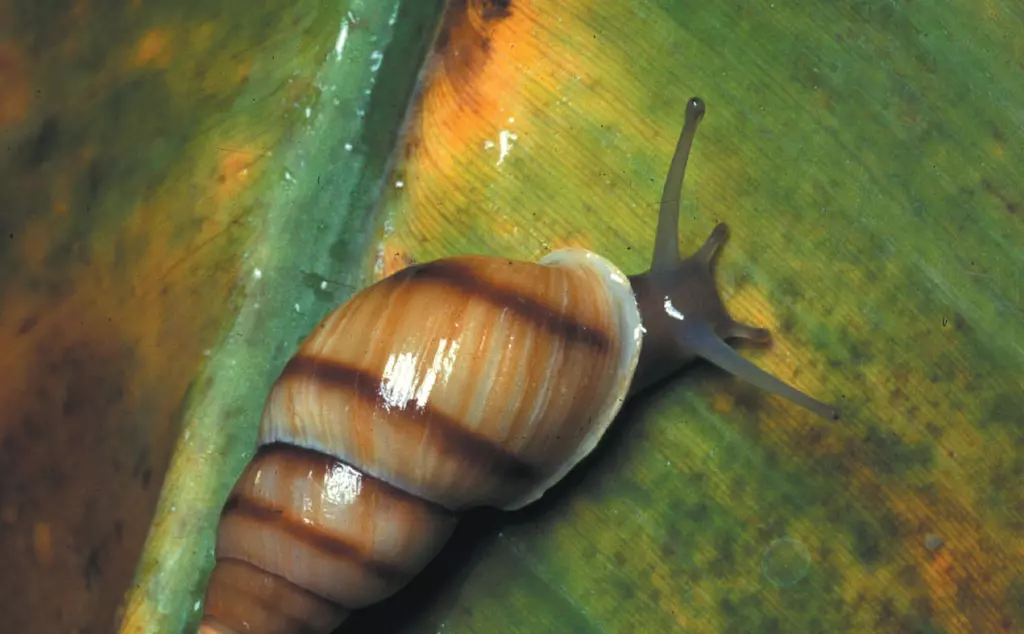
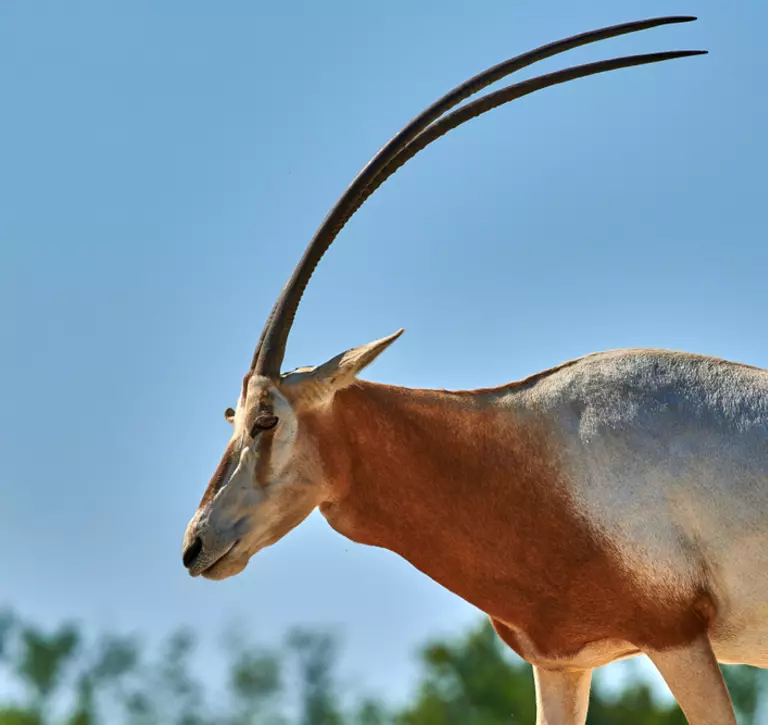
We aim to enable a step change in the recovery of species, from developing the science to training a generation of conservationists and restoring some of the most threatened species in the world, starting with those that are extinct in the wild, where zoos hold the last remaining individuals in their hands.
For instance, we’re working to build knowledge and give training to the right people to empower them in the fight to stop the illegal wildlife trade - the world’s fourth most lucrative trafficking industry after drugs, humans and weapons - in more than 50 countries around the world.
By 2030 we will drive measurable, evidence-based steps towards global recovery for at least 40 highly threatened species for which we have the expertise to contribute to long-term, holistic conservation.
- Successful conservation interventions: We will coordinate or partner in both in-situ and ex-situ actions that make a demonstrable contribution to the avoided extinction or recovery of highly threatened species.
- Evidence to action: We will build the knowledge base required for successful conservation, communicate this evidence and facilitate its use to recover highly threatened species.
- Capacity building: We will increase the knowledge and skills of both internal staff/students and external stakeholders to recover highly threatened species.
While we support the recovery of well-known species such as tigers, much of our work focuses on underrepresented species. The EDGE of Existence programme highlights and protects some of the most unique and wonderful species on the planet. These species represent an irreplaceable part of the world’s natural heritage, yet an alarming proportion is on the verge of extinction and overlooked by mainstream conservation.


Restoring habitats
Life in all its diversity supports our world, but the pressure on our planet is growing - from habitat loss, over-exploitation, climate change and pollution.
The focus for experts here at ZSL is to first support local partners and communities to protect remaining vital spaces for wildlife and then restore degraded ecosystems.
Conservation technology plays a major role in our monitoring of protected areas and species, and ZSL is at the forefront of developing and applying cutting-edge technical solutions to improve our conservation impact.
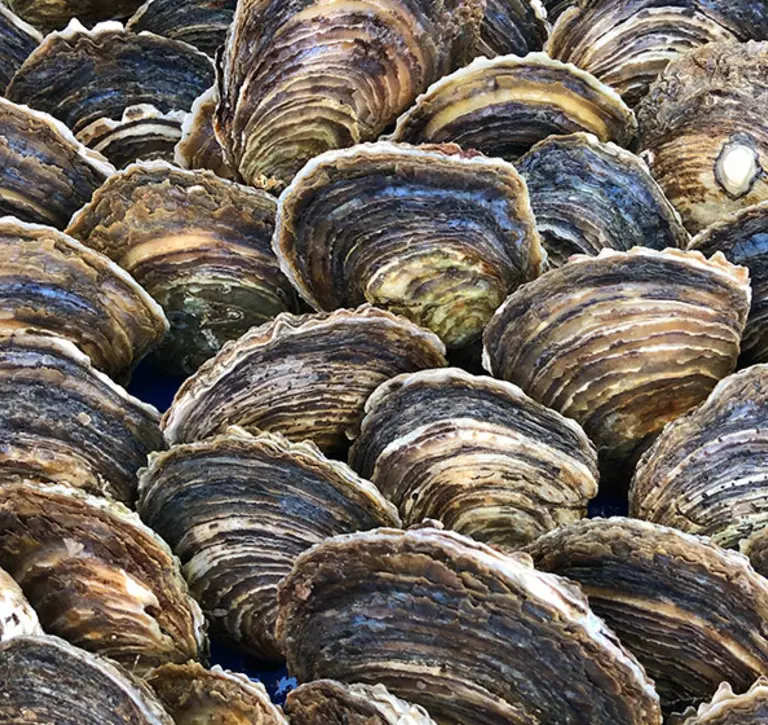
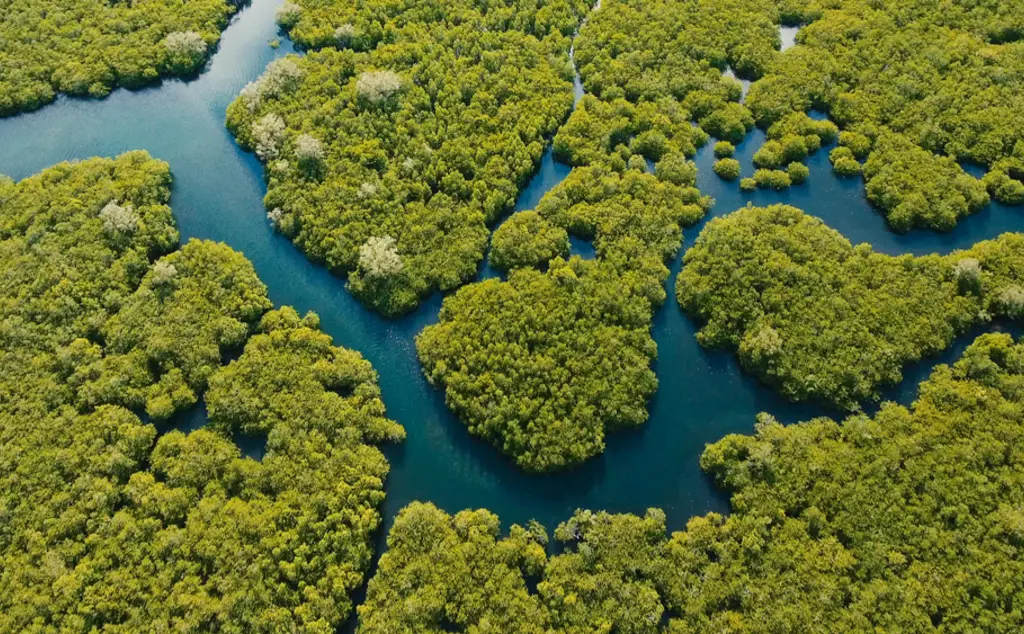
We will support communities in 10 priority regions to catalyse habitat recovery and help people live better with wildlife by 2030.
- Prioritise in-country conservation leadership, drive equitable standards across our global programmes and enable capacity sharing between at least 10 partner organisations.
- Support 10,000 families in priority conservation regions to contribute to wildlife and ecosystem recovery in a way that reduces pressure on natural resources and improves wellbeing.
- Guide effective protection and restoration of key wildlife habitat totalling more than 50,000 hectares across 10 priority conservation regions.
- Support efforts to restore and recover 10 priority ecosystem types at risk of collapse.
Training Conservationists
As conservation challenges increase, the need to provide education and support to those wanting to make a real impact becomes ever more apparent.
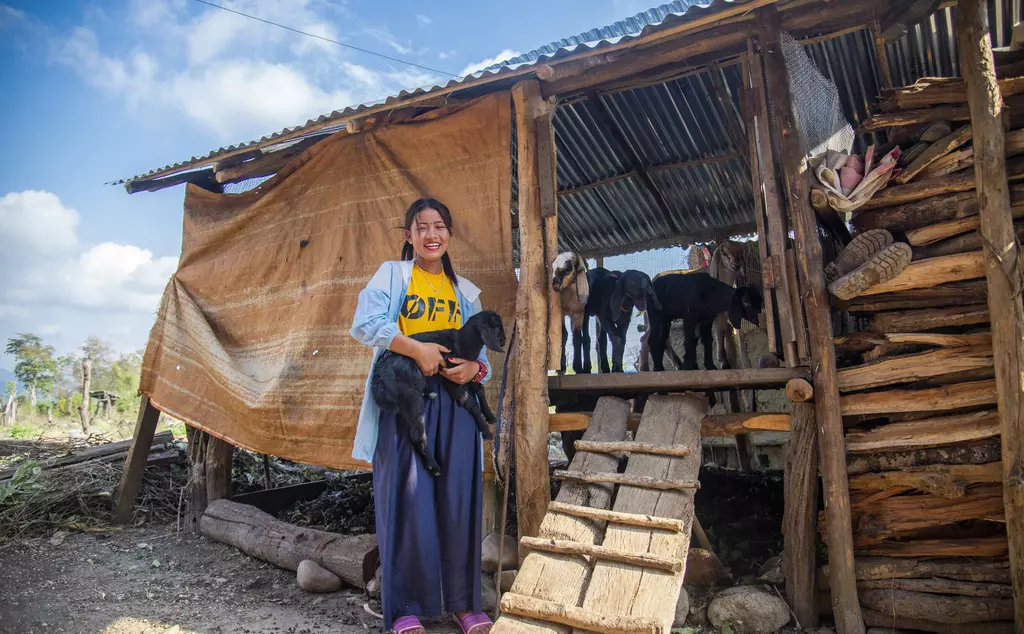
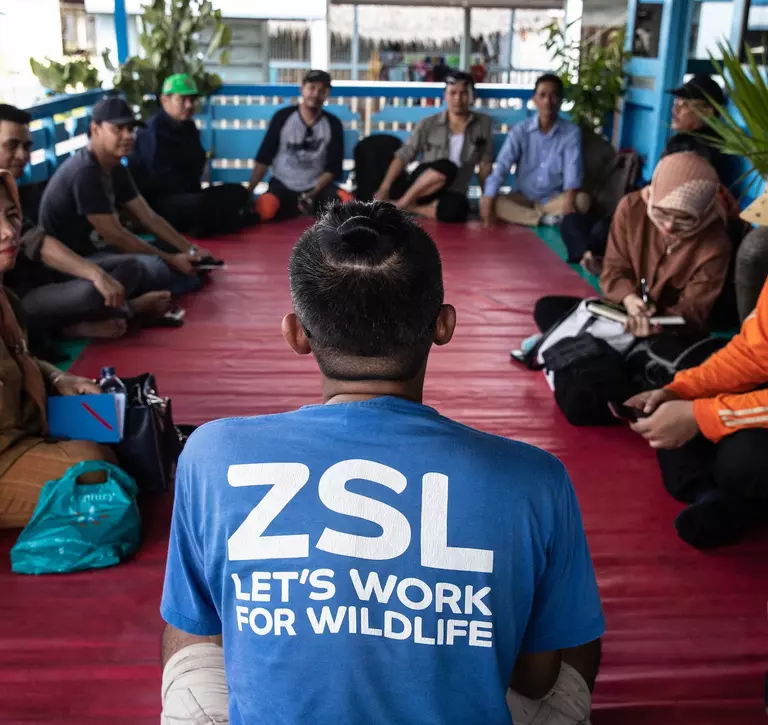
We're committed to developing the next generation of conservationists to drive natures recovery. From inspiring young minds to upskilling professionals, we provide the tools, training, and networks to empower individuals worldwide to make a real difference for wildlife.
Find out more about our work empowering communities to lead wildlife recovery
We want to increase global conservation capability by developing more than 3m young people and 5,000 career professionals by 2030. We will:
- Deliver conservation education to more than 500,000 schoolchildren each year through our conservation zoos, inspiring them to act for wildlife.
- Expand our post-graduate course programme to teach more than 300 Master’s students and 85 PhD students each year.
- Train more than 2,000 working professionals each year through an extensive programme of continuing professional development courses.
- Work in partnership with universities to enable the delivery of nature-focused education in at least five new disciplines from business to art.
- Support 1,000 young people from under-represented backgrounds to gain employment in conservation through mapped career pathways
Creating change
As pioneering change-makers for more than 200 years, our wildlife conservation work has a huge impact - not just locally in the lab or in the field, but on the political and corporate stage too.
Change requires that biodiversity becomes embedded at the heart of all decision-making from the personal decisions we make as individuals, to the actions of companies and the decisions made by governments.
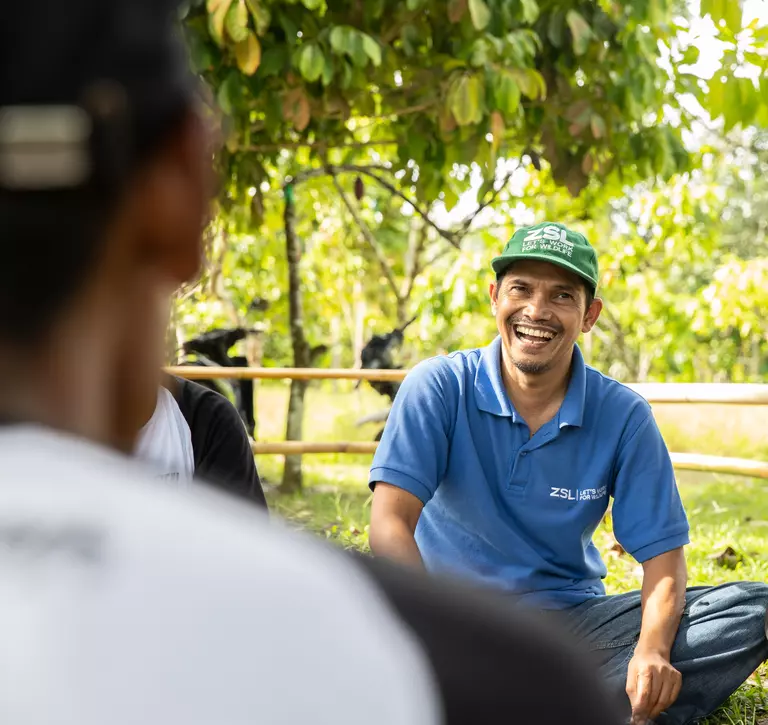

Our experts inspire school and community groups; support companies to reduce impacts of their businesses, and advise governments on the importance of nature to address some of the major challenges faced by society. We have focussed on reaching socially dis-advantaged groups, pioneered novel financial tools for nature and supported increased transparency for industries and developed global indicators to track biodiversity change.
Find out more about how we are inspiring change at the highest level
We will engage 10 million people, £1 billion of private sector capital and assets and influence 10 Government and 20 business policy processes to drive the systemic change needed for global biodiversity recovery.
- Individual behaviour: 5m people will have taken decisions to reduce their personal impacts
on the environment and support wildlife comeback within their communities.
- Community behaviour: Through behaviour change initiatives in the UK and
globally, our programmes will have reached at least 500k people driving community-led wildlife monitoring, reductions in direct pressures on wildlife and pro-wildlife investment.
- Corporate behaviour: through expert advice and monitoring, we will have engaged 20 private sector entities collectively representing over £100m in capital and assets thus reducing negative impacts and driving forward positive restoration actions led by the corporate sector.
- Government behaviour: Our global evidence base will be used to inform 10 national and 5 international policy processes to support wildlife recovery.
Together, we have the power to make a difference. Please donate today.