



Conservation in Asia, the world’s largest continent, is across vast natural landscapes including the expanses of the Mongolian Steppes to the tropical jungles and islands of South East Asia. The continent includes some of the greatest river systems in the world, and its marine habitats stretch from the highly productive waters of the northern Pacific to the great biodiversity of the Coral Triangle.
Wildlife protection in Asia
Asia is also a continent of immense change. Its human population has virtually quadrupled over the past 100 years and Asia is now home to more people than all the other continents combined. It includes the great economies of China and India, with Indonesia not far behind, and so the impacts on Asia’s natural heritage are rapidly evolving.
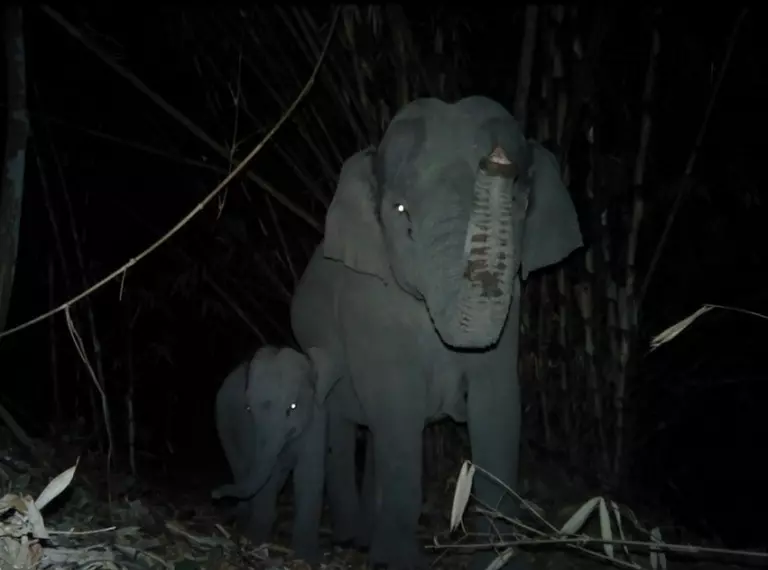
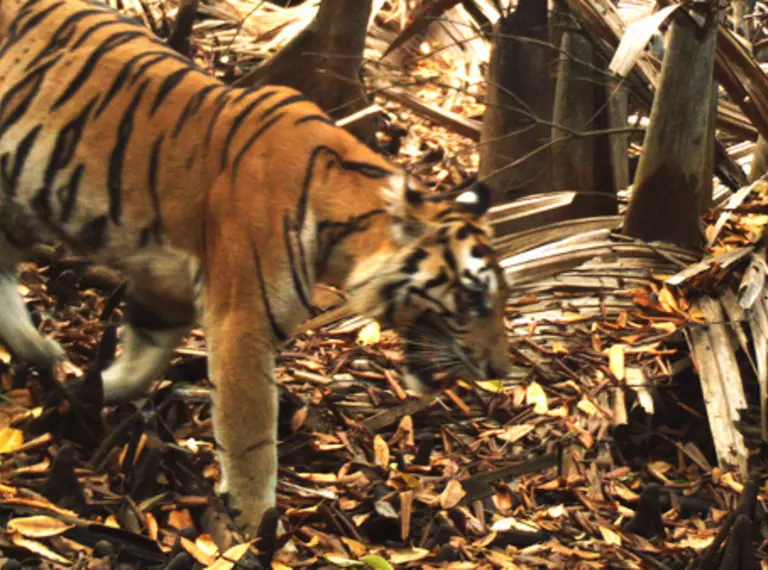
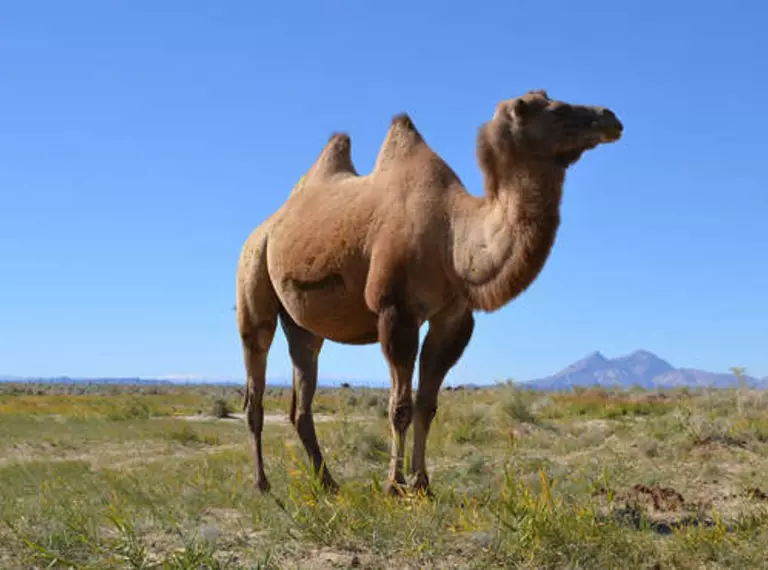
We are working across Asia, from the famous national parks of Nepal to marine protected areas in the Philippines, protecting top ‘umbrella’ species such as greater one-horned rhinos, tigers and sharks, and EDGE species like wild camels, Asian elephants, pangolins, the Chinese giant salamander and the Hainan gibbon. While our work in protected areas is more vital than ever, we also work with people from local communities to international corporations, ensuring that human impacts on surrounding habitats and wildlife are sustainable and that people and wildlife can thrive together.
- Creating a new future for an ancient species
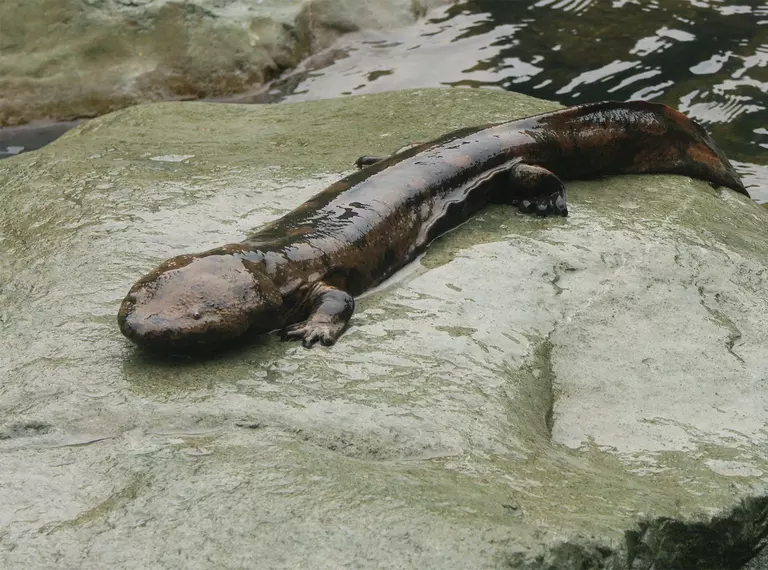
Chinese giant salamander conservation
Together with our partners, we completed the largest ever wildlife survey in Chinese conservation history, and discovered just 24 giant salamanders, all of which were likely escapees from farms.
- Turning the tide on the illegal wildlife trade
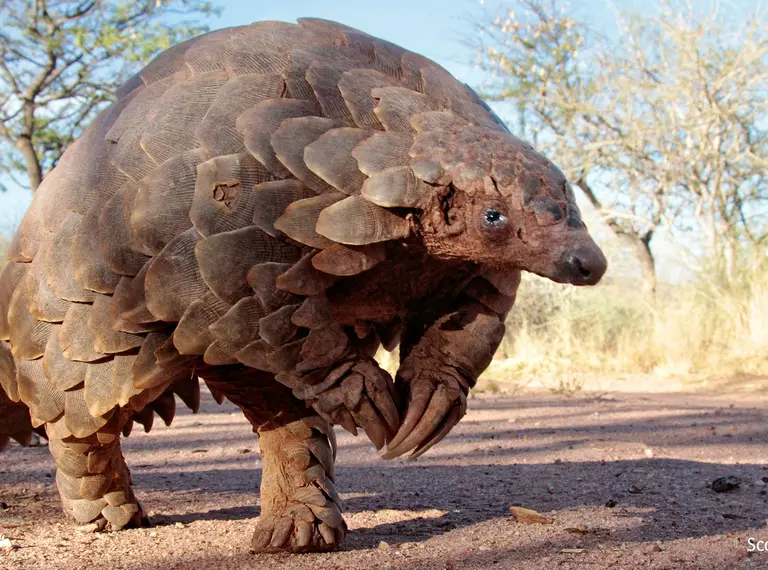
Pangolin conservation
Introducing new protections for the most illegally trafficked mammal in the world.
- Achieving an 17% increase in population
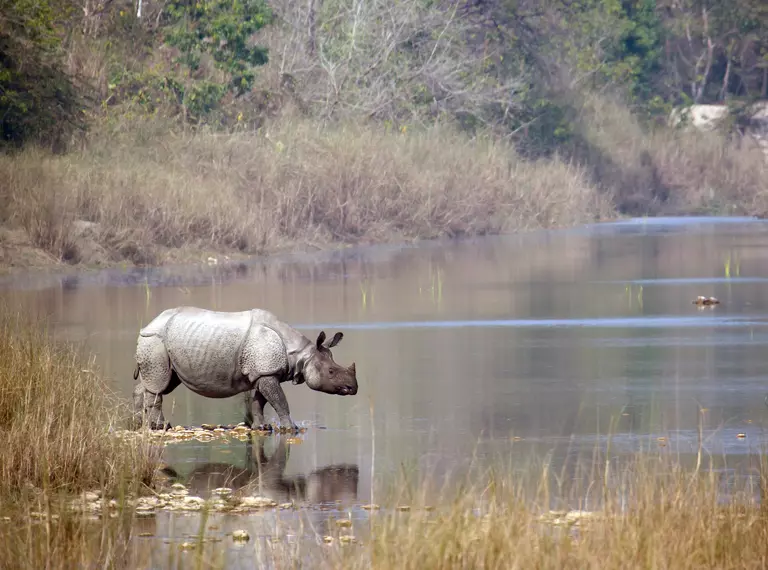
Greater one-horned rhino conservation
Together with local communities and our partners, we have established anti-poaching patrols which are key to recovering numbers in Nepal.
- Fighting illegal wildlife trade in Mongolia
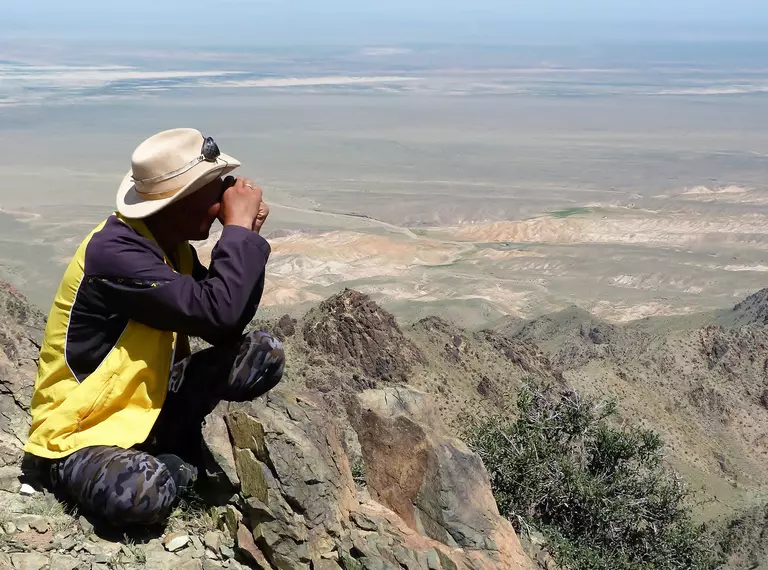
Illegal wildlife trade in Mongolia
We have pioneered infrastructure to prevent the illegal wildlife trade across Mongolia, by establishing a new ecological police department and providing cutting-edge border control training.
- Recovering from the brink of extinction
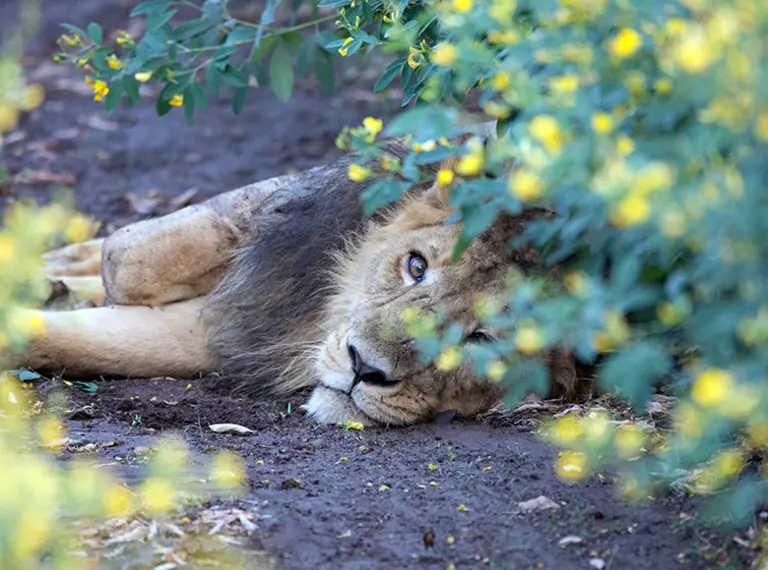
Protecting Asiatic lions in the Gir Forest
There are approximately 600 Asiatic lions left in the Gir Forest of Western India, their last remaining natural habitat.
- The world’s rarest primate
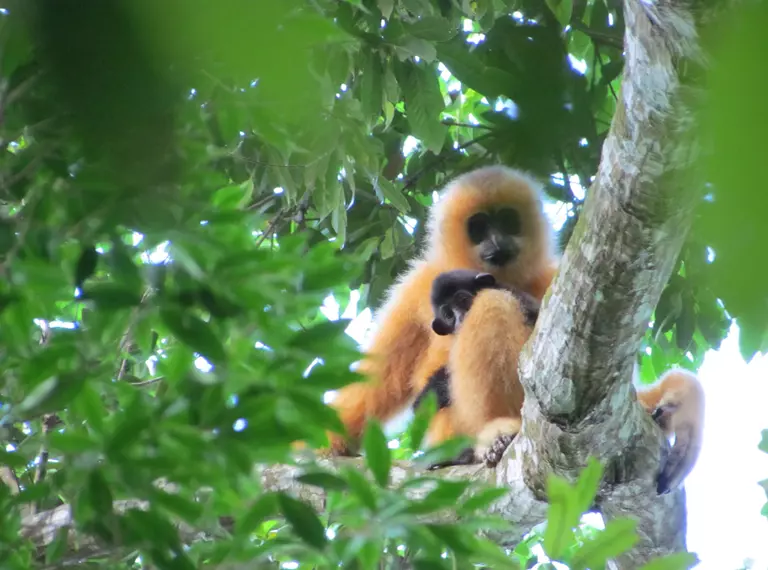
Hainan gibbon conservation
The Hainan gibbon is the rarest primate and possibly the rarest mammal species. There's been a severe decline in numbers due to habitat loss and hunting.
- Nepal tiger numbers double
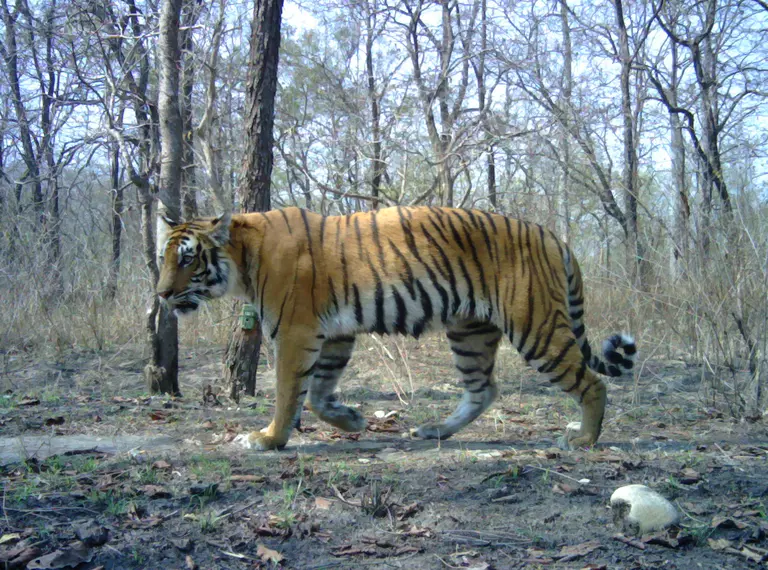
Roaring success as tiger population rises in Nepal
Our work has helped increase adult tiger numbers in Nepal from 121 to 355 since 2009.
- Investigating complex marine ecosystems
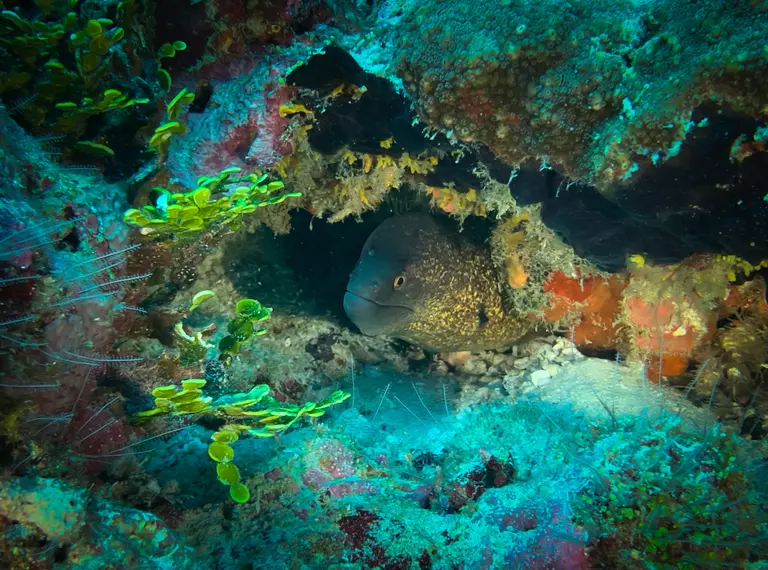
Indian Ocean Marine Science
We're collborating to protect the Indian Ocean, with 121 peer-reviewed papers have been generated between 2017-2021 from the research in the region.
- Pangolin, tiger and Asian elephant conservation in Thailand
Pangolin, tiger and Asian elephant conservation in Thailand
Find out how we're working on the ground and behind-the-scenes to protect Asian elephants, tigers and pangolins.
- Restoring ecosystems
Mangroves
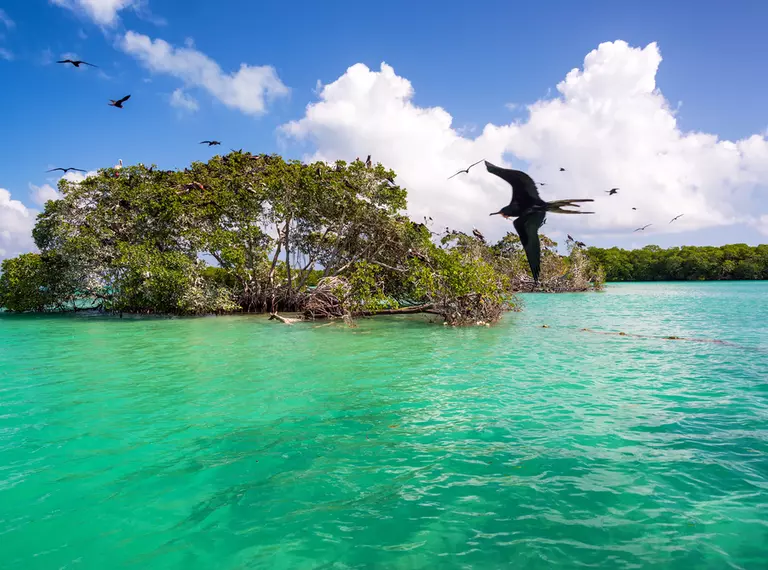
Our projects in the Philippines have restored and protected over 900 hectares of abandoned fishpond mangroves - around the size of 1,260 football pitches.
- Sumatran tiger conservation
Sumatran tiger conservation
We’re working at the cutting-edge of conservation to protect Sumatran tigers and other endangered tigers in Asia.
- One of the most endangered large mammals on the planet
Conservation of Mongolia’s Wild Camels
The critically endangered wild camel survives only in Mongolia and China.