






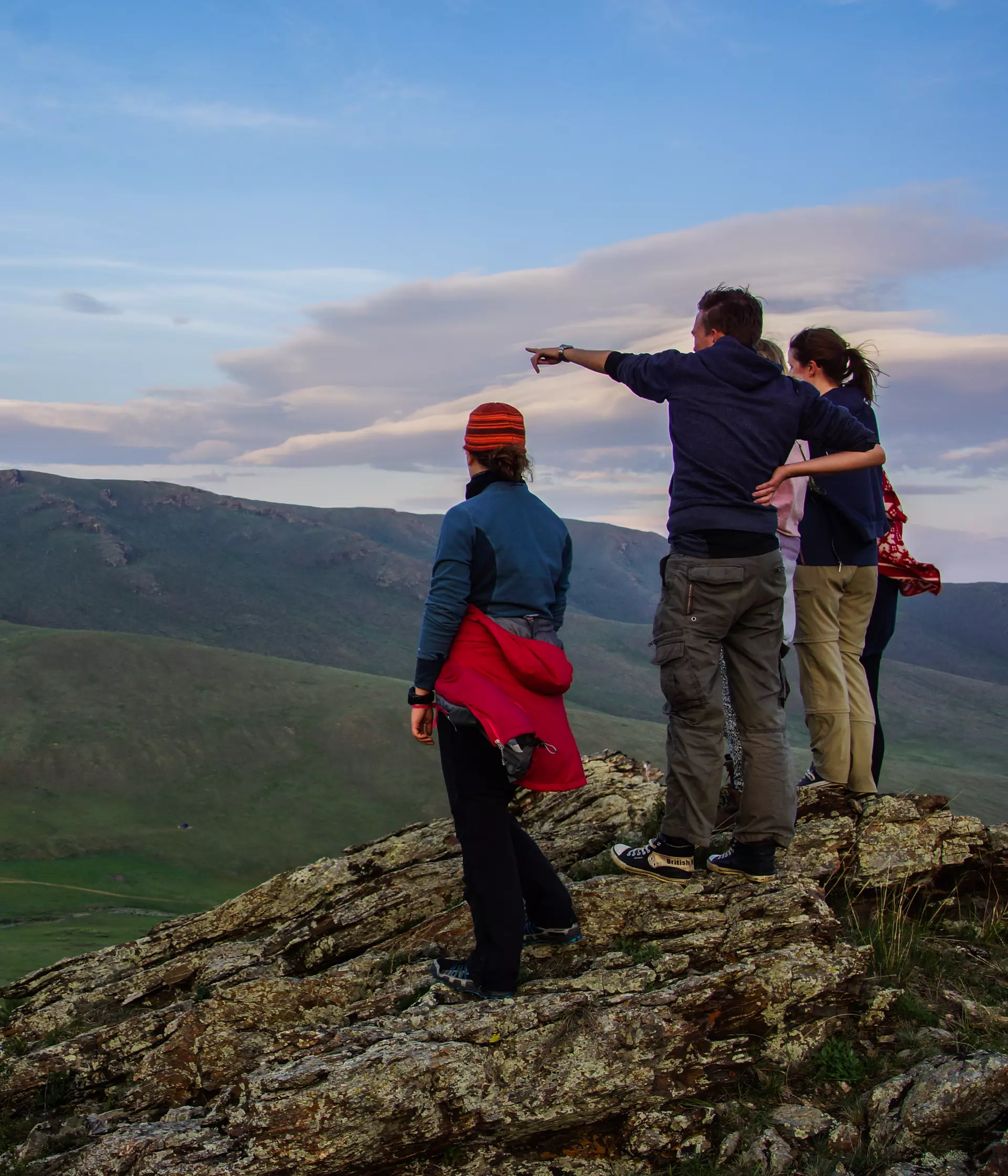
Protecting Mongolia's wildlife
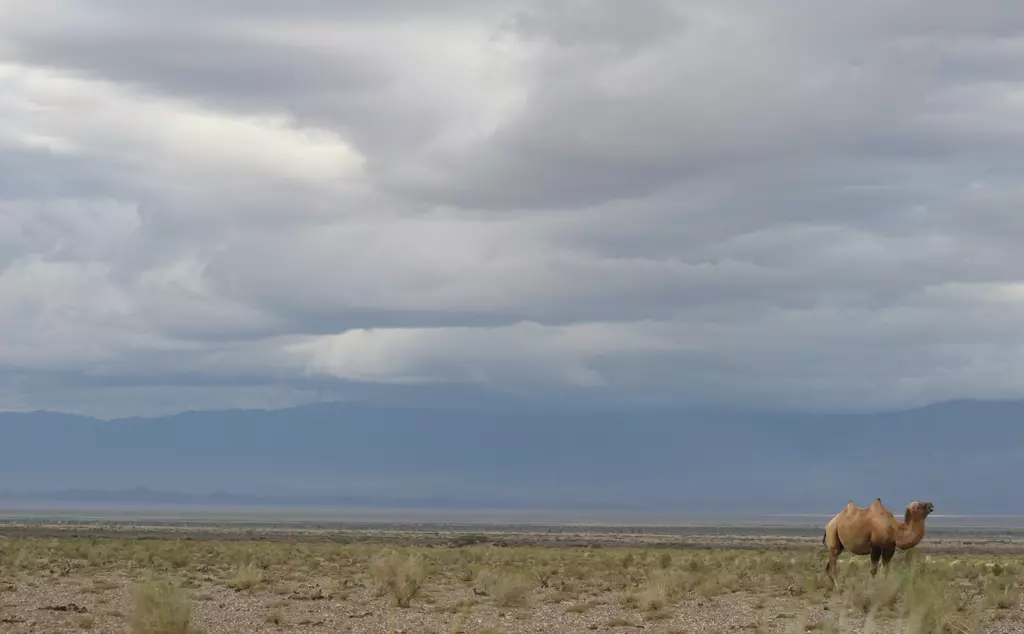
Mongolia is a vast expanse of unique habitats, from the taiga forest in the north, through to the desert steppe in the centre, to the wilderness of the Gobi Desert in the south. These habitats are home to life on the edge, like some of the last remaining wild camels, which can drink water saltier than seawater. There were once seas of Mongolian marmots peppering the endless steppe landscape, but today this wildlife is in trouble. This great wilderness and it's iconic species, like the grey wolf and saker falcon, are now in danger.

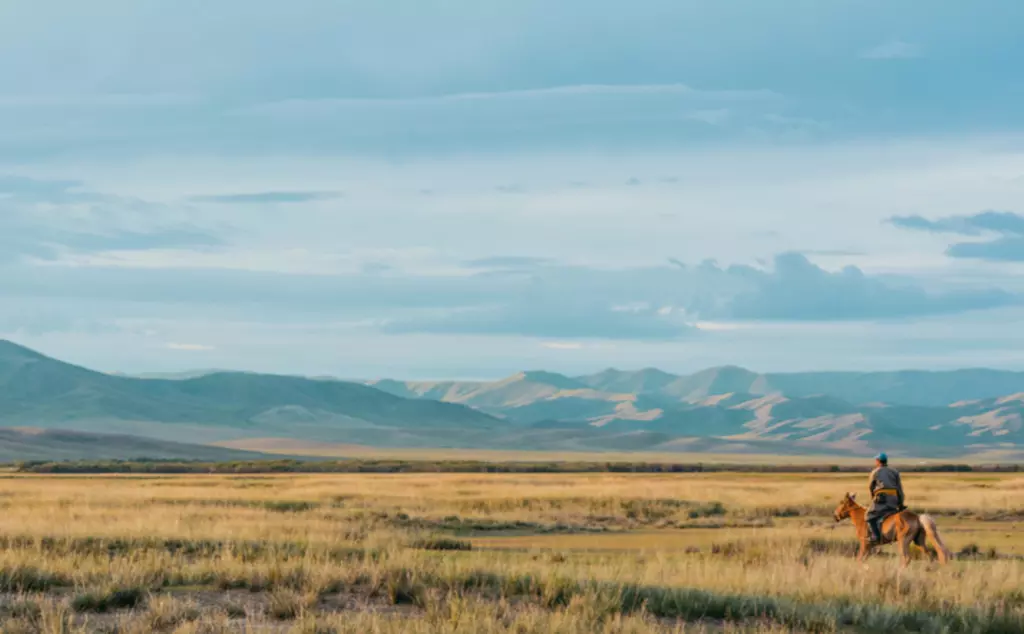

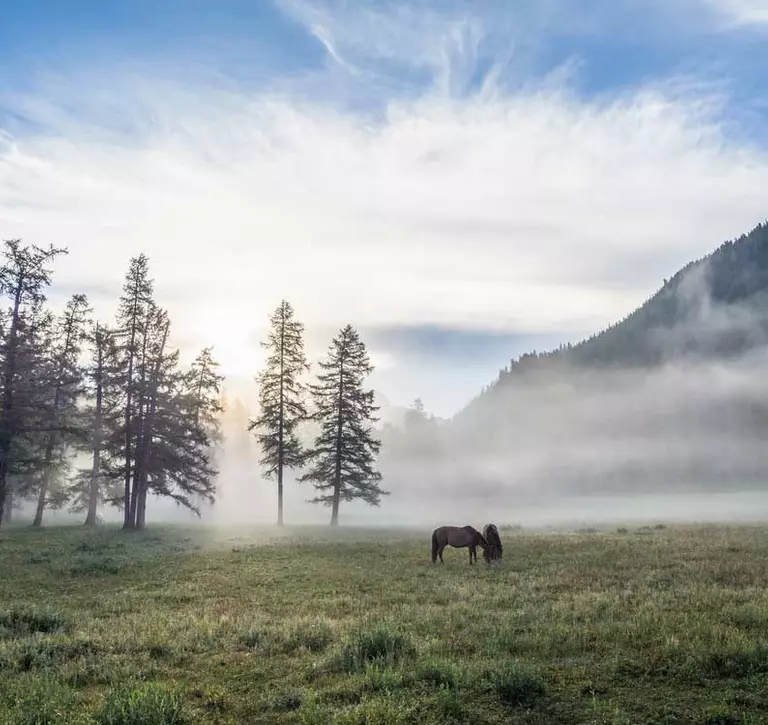
The Great Gobi is impacted by climate change with desertification and an increase in harsh winters resulting in livestock loss, and illegal poaching are negatively impacting the Gobi ecosystem and local communities. In the aftermath of the collapse of the communist rule in the early 90's, Mongolia’s economy changed dramatically. This has resulted in the increasingly unsustainable exploitation of Mongolia’s landscape, with illegal hunting, mining, overgrazing and deforestation driving significant declines in much of Mongolia’s flora and fauna. For example, evidence suggests that grey wolf hunting vastly exceeds the formal quotas.
Mongolia conservation
Our Mongolia team
We have been working for fifteen years to conserve habitats and species that are not only of global conservation importance, but also underpin the livelihoods and cultural identities of Mongolia’s nomadic communities. We do this through strong partnerships with individual experts, public and private sector organisations, communities, and fellow national and international NGOs.
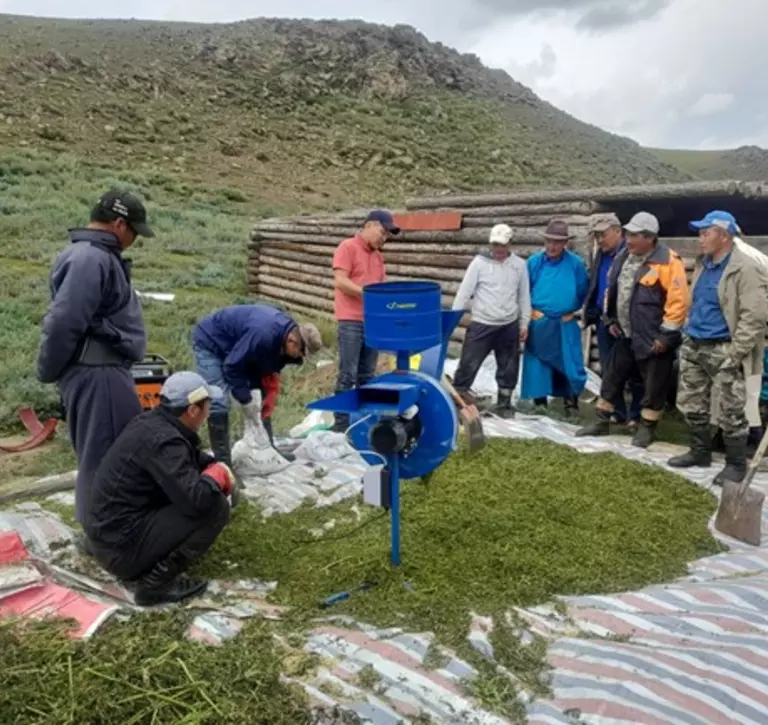
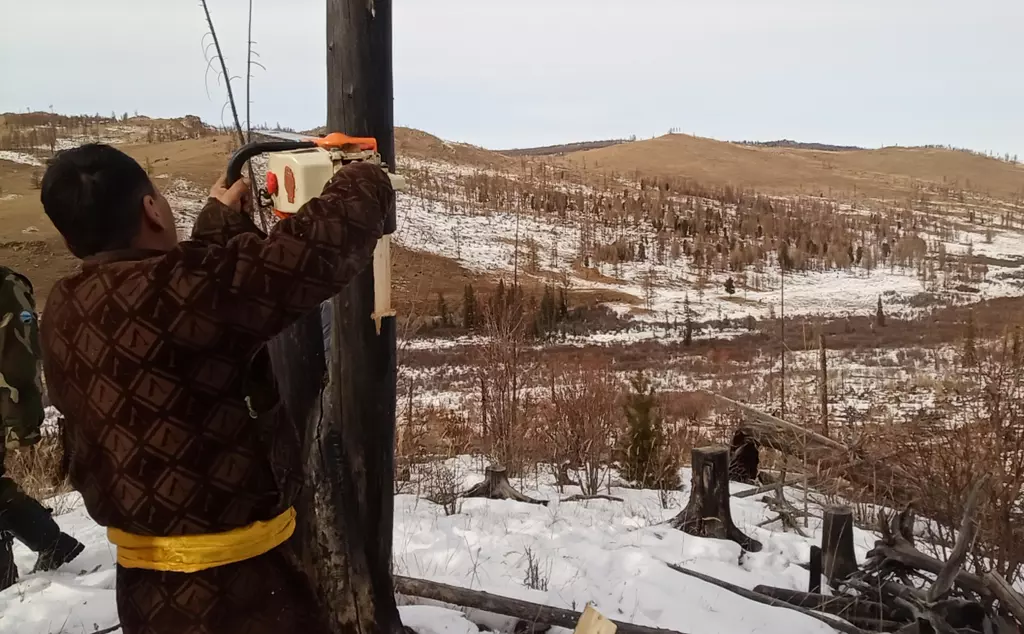
Establishing a community-led protected area to support the recovery of globally endangered species, and improve local livelihoods
Central Mongolia’s ‘Khoid Mogoin Gol-Teel’ Local Protected Area is one Mongolia’s most important forest steppe ecosystems, covering 1370 km2. Illegal hunting and overexploitation of pastures and forests threaten this ecosystem, decimating wildlife and eroding traditional livelihoods and resilience to climate change.
Our Darwin Initiative project is working with the deeply committed and concerned local community of livestock herders to safeguard the forest-steppe ecosystem and the lifestyles that depend on it. Together with partners from the public and private sectors, we are supporting the management of a newly established local protected area, based on sustainable management of forests and pastures. We are monitoring priority species to track progress on protecting biodiversity, and supporting diversification of livelihoods for communities, such as greater access to markets to sell certified high-quality, ethical and sustainable cashmere. Different grazing regimes are being trialled to inform a pasture management plan. We are putting the skills and structures in place to enable the communities to keep managing the area in the long term.
Steppe Forward Programme
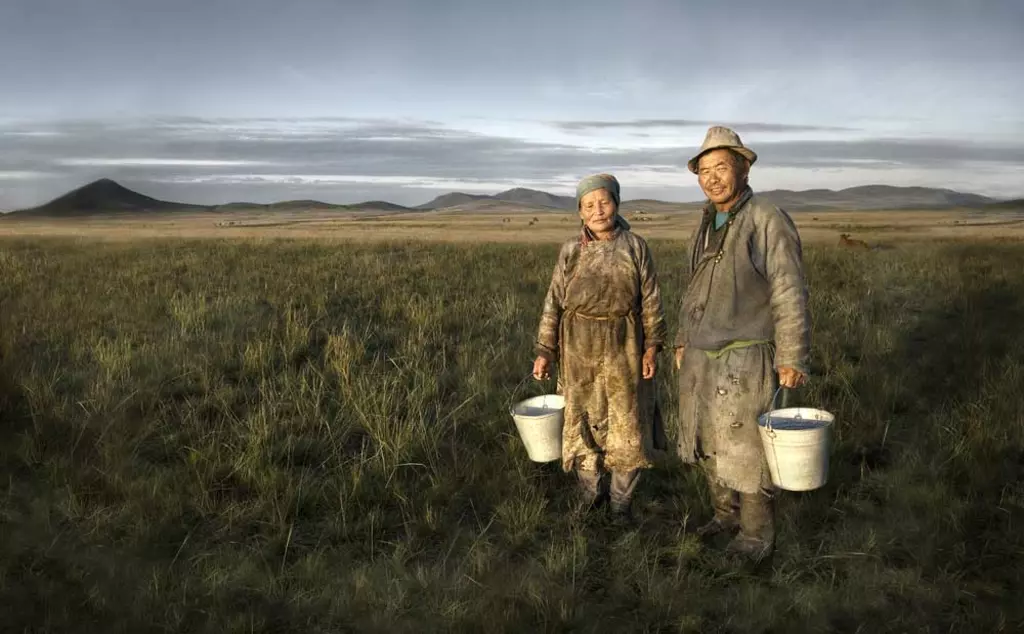
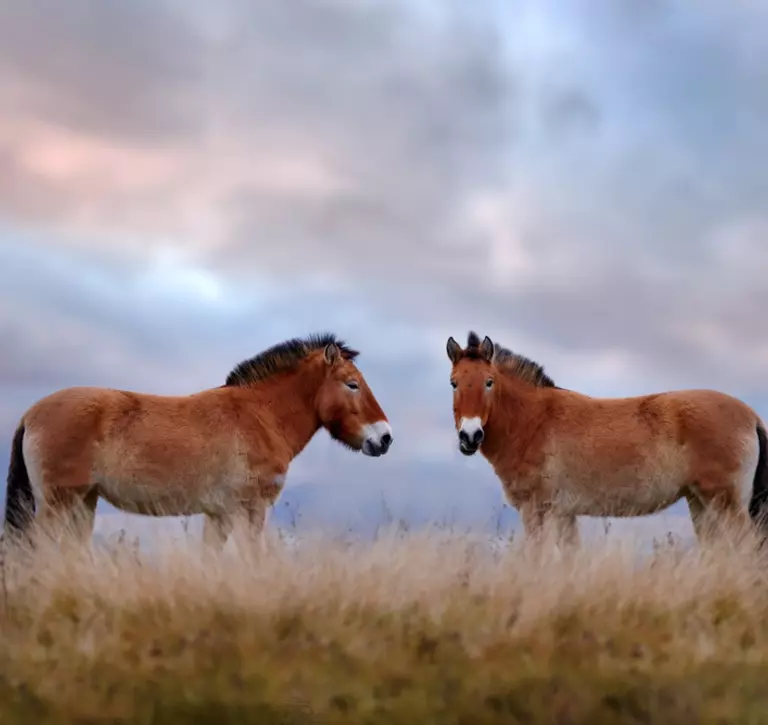
Steppe Forward empowers Mongolians to create and manage conservation programmes, by providing them with the tools and skills to design and implement their own ecological studies and monitoring schemes. This is a collaboration between ZSL and the National University of Mongolia.
An important part of this initiative is the annual summer field course to train new conservationists. Steppe Forward also produces a number of national publications, including field guides of Mongolia’s wildlife in both English and Mongolian, distributed free amongst schools and local conservationists.
Illegal Wildlife Trade
In 2018 we published Silent Steppe II, Mongolia’s most comprehensive study of the illegal wildlife trade (IWT) to-date, including recommendations to improve law enforcement. We have also developed a wildlife product identification mobile app (freely downloadable on android and apple), and reached more than a third of Mongolia’s population through an IWT awareness-raising campaign (see video below). We have trained over 140 law enforcement officers in improved IWT identification.
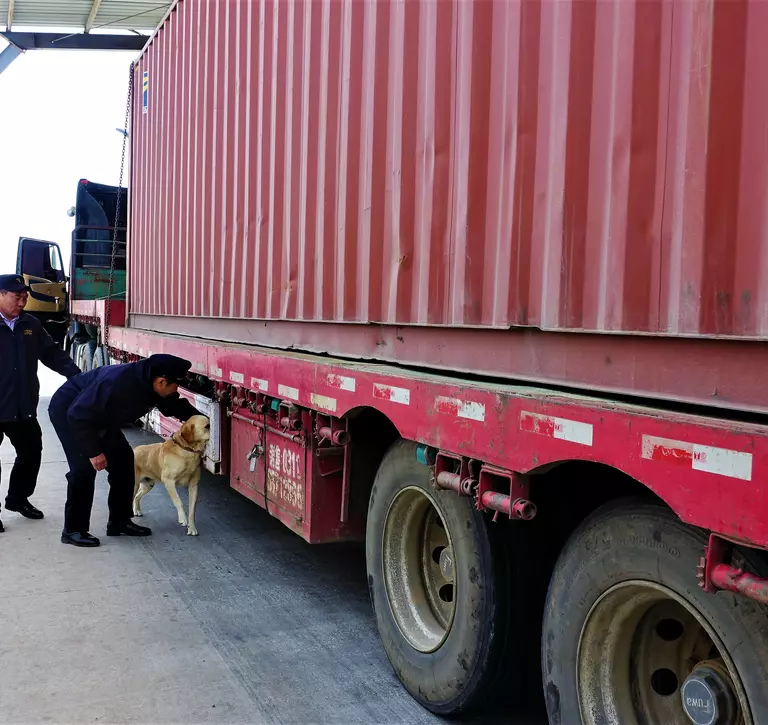
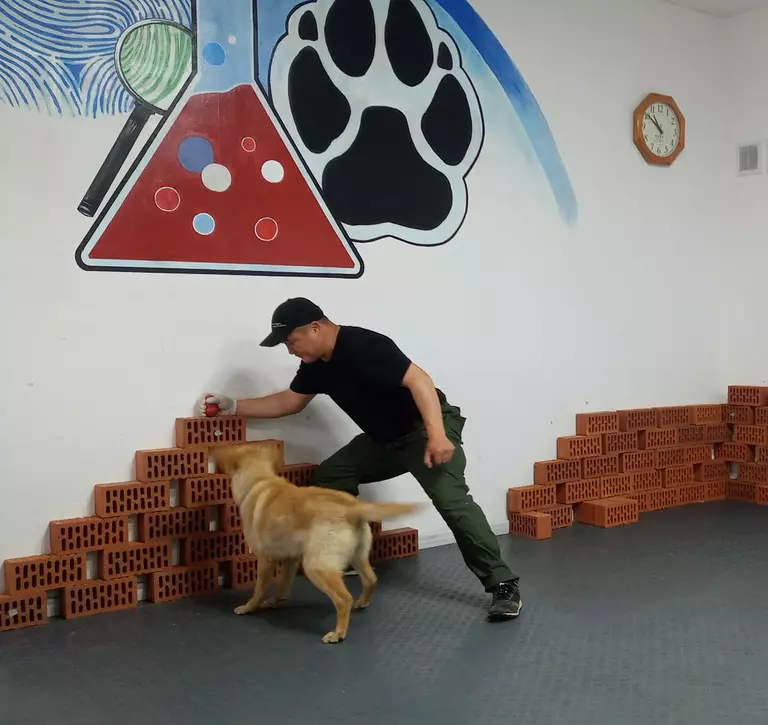
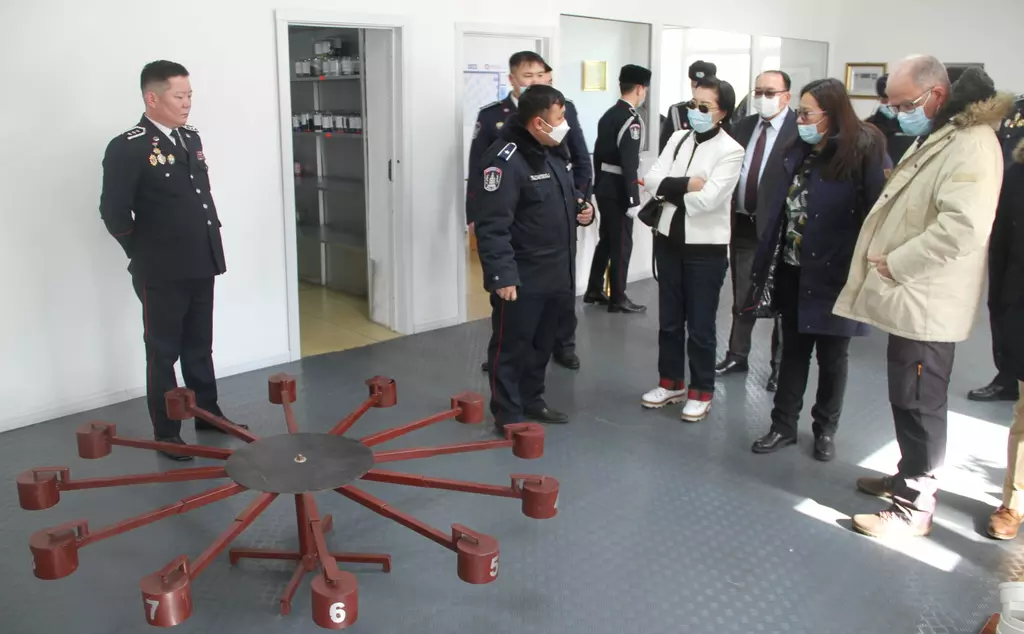
Our current work to combat Mongolia's IWT includes building the capacity of Border Detector Dog units and associated law enforcement staff at border crossings; establishing a national Wildlife Crime Control Task Force; and developing Community Surveillance Networks to increase reporting of IWT.
Research, monitoring and reporting
- We completed Mongolia’s most robust census of Critically Endangered Wild camels. We continue to support the Government of Mongolia to conduct scientific monitoring of Wild camels in their Gobi Desert stronghold, to support the development of an effective conservation management plan.
- Since 2006, we have worked to compile information on Mongolia’s vertebrates, to enable conservation practitioners, policy-makers, researchers and other stakeholders to make informed conservation management decisions. For example, the launch of the Mongolian Birds Red List and Medicinal Plant Red List in 2012 meant that Mongolia was the first country in Asia to have produced regional Red Lists of all their vertebrate species. Steppe Forward and ZSL are currently compiling the second volume of the Plant Red List.
- Our scientific expertise assisted the Government of Mongolia in compiling their first national report to the Convention on International Trade in Endangered Species (CITES), and to compile Mongolia’s Fifth National Report to the Convention on Biological Diversity (CBD).
- We established the Wildlife Picture Index, an innovative camera-trapping monitoring study to evaluate the success of Mongolia’s key protected areas in conserving species inside and next to protected areas.