

Keeping track of penguins

Climate change, expanding fisheries and the increased threat of disease are increasing threats to penguins that make an expanded monitoring network vital. But, how do you get meaningful data with which to make the most appropriate wildlife management decisions, in an environment as hostile and remote as Antarctica?

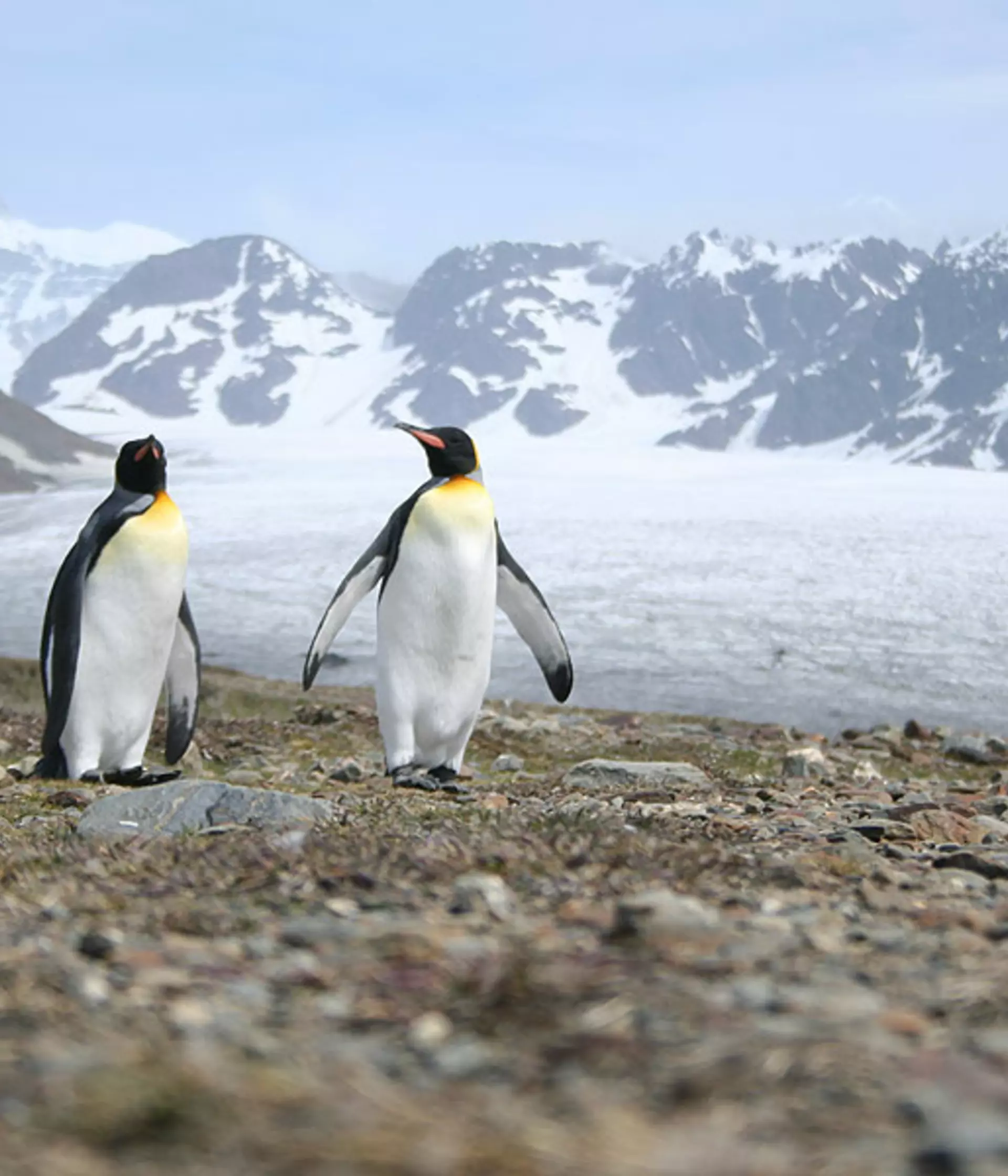
Penguin colony, Antarctica
Why monitor?

Monitoring wildlife in the Earth’s most rapidly changing ecosystems provides great insight into patterns of environmental change, because changes in Antarctica's wildlife populations reflect those occuring in their environment. Currently only a limited monitoring network exists, so Antarctica is one of the world’s least studied regions. New information can be used to make informed conservation management decisions about how best to manage species under pressure and how to react to the wider global implications of climatic change.

Find out more at the educational website, Oceanities

New technology

Monitoring animals in such an extreme climate is challenging. Many species spend much of their time at sea, and the environment they live in is both hostile and remote, making the visits required to monitor them demanding and costly. For these reasons, the monitoring efforts for many penguin colonies in Antarctica and the sub-Antarctic islands have previously been limited, and the only data that has ben collected bpreviously has come from a few Antarctic research bases.

Antarctic camera trap
One of our camera traps
However, by adapting existing camera technology and using time-lapse photography, we are trialling the development of a new monitoring array for the southern polar region. By monitoring remotely, we hope to be able to ask new questions about the response of Antarctic penguins to their changing world. One such site is at Port Lockroy run by the Antarctic Heritage Trust, where we have set up a camera next to a monitored colony.

Cameras capture daily images of the movements of the penguins, allowing us to collect data on the timings of penguin life cycles at different locations, such as their time of arrival to breed and chick fledging. In addition, we are working with Oxford computer science lab on an individual recognition system and a population-modelling system with the British Anatarctic Survey to extend our understanding of what is happening to penguins and the predictions we can make. The images are sent remotely via sattelite, so data is beng collected without researchers needing to be present.

By collaborating with tourism operators, we are trying to reach many more potential monitoring sites over the Antarctic Peninsula and surrounding islands. It is possible to expand the current limited monitoring network to include a far greater coverage of species and network sites, in a cost effective way. we currently have monitoing sites at 6 locations, but hope to have over 20 in the near future.

Results so far

Our initial results from existing monitoring data suggest climate change will continue to have unequal impacts on species, requiring regionally tailored management, and supporting the need for further research to evaluate species specific responses to climate change and other threats. With new data from our monitoring network, we hope to refine these findings and use them to help design tailored Protected Area networks, to protect penguins into the future.

Find out more about this scientific work at Stony Brook University's Lynch Lab for Quantitative Ecology

Time-lapse video of one penguin colony:

Our funders and partners:


Bain & Co. logo
Exodus logo
British Antarctic Survey
University of Oxford logo
Antarctic Heritage Trust

Printable version