

Pengun Lifelines LOGO

Penguins are declining globally. The main suspects are climate change, fisheries, disease and pollution, but we need to understand how penguins are affected by these threats in order to mitigate them.

“Penguin Lifelines” is a collaboration between ZSL and Oxford University researching the threats to Antarctic penguins. We are using long-term monitoring in the field and genetic analysis of penguin feathers to get a complete picture of how populations are changing. Our findings will be used to inform policy and educate the public on the impacts of climate change.

Read the Penguin Science 2013 blog

Science into policy

Rockhopper penguins, Antarctica
Effective environmental policies are critical for the long-term conservation of penguins.
Policies must be selected on the basis of up to date and relevant information. We aim to present the results of our conservation research to policy decision makers, providing sound science for sound decision making. Find out why Antarctica and its penguins need help

Life in the field

Penguins In Antarctica

Working with penguins in Antaractica is fieldwork like no other. Find out about life on Antarctic expeditions and see photos from previous trips, or follow ZSL Penguinologist Tom Hart and the team on their current expedition:

Penguin Science 2013 blog

Get involved

Penguin Beach We have a unique opportunity to educate the public; ZSL zoos receive over 1.2 million visitors per year, and the new Penguin Beach really allows us to highlight the plight of penguins. Come and visit our project at the zoo, or arrange to take part in lessons live from Antarctica! Find out more about London Zoo's penguin beach

Donate to Penguin Lifelines

Penguin life cycle time-lapse video

Play this video

Time-lapse cameras have allowed ZSL researchers to record parts of the penguin life cycle which normally go unseen. The footage captured gentoo penguins (Pygoscelis papua) at Brown Bluff on the Antarctic Peninsula and King penguins (Aptenodytes patagonicus) huddling over winter at Salisbury Plain on South Georgia.

Penguin monitoring

Tom camera Antarctica
Monitoring the size and health of penguin populations will provide invaluable insights into environmental change in the Antarctic. By using new technology and working with tourism organisations, we are accessing parts of this remote and challenging region that have never been monitored before. Find out how we are monitoring penguins in the field

DNA feather-printing

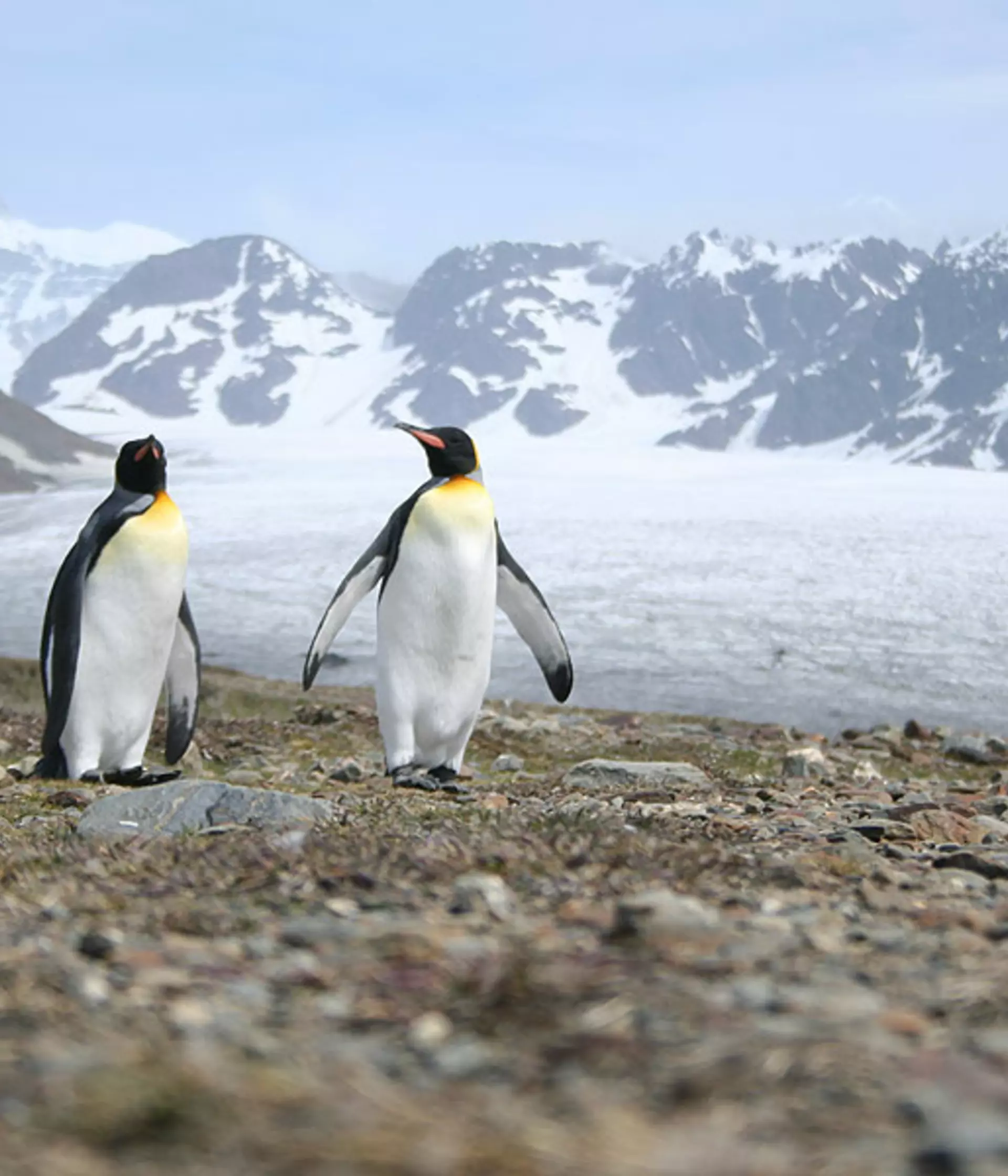
King Penguin Group
Apart from monitoring in the field, we are analysing feathers from Antarctic penguins to track the composition and health of populations. The techniques are non-invasive and non-technical and can be used by volunteers, so we can monitor many penguins very cheaply! Find out how we are using feather analysis

Penguin picture gallery

Chinstrap penguin Antarctica
See some of the best images of Kings, gentoos, chinstraps and adelies we have encountered on our expeditions in our picture gallery.

Printable version