







Project collaborators
Prof. Sarah Durant
Professor
Key species
From research to fieldwork, we’re working at the cutting-edge to help overcome the threats facing cheetahs in Africa and support the recovery of this Vulnerable species.
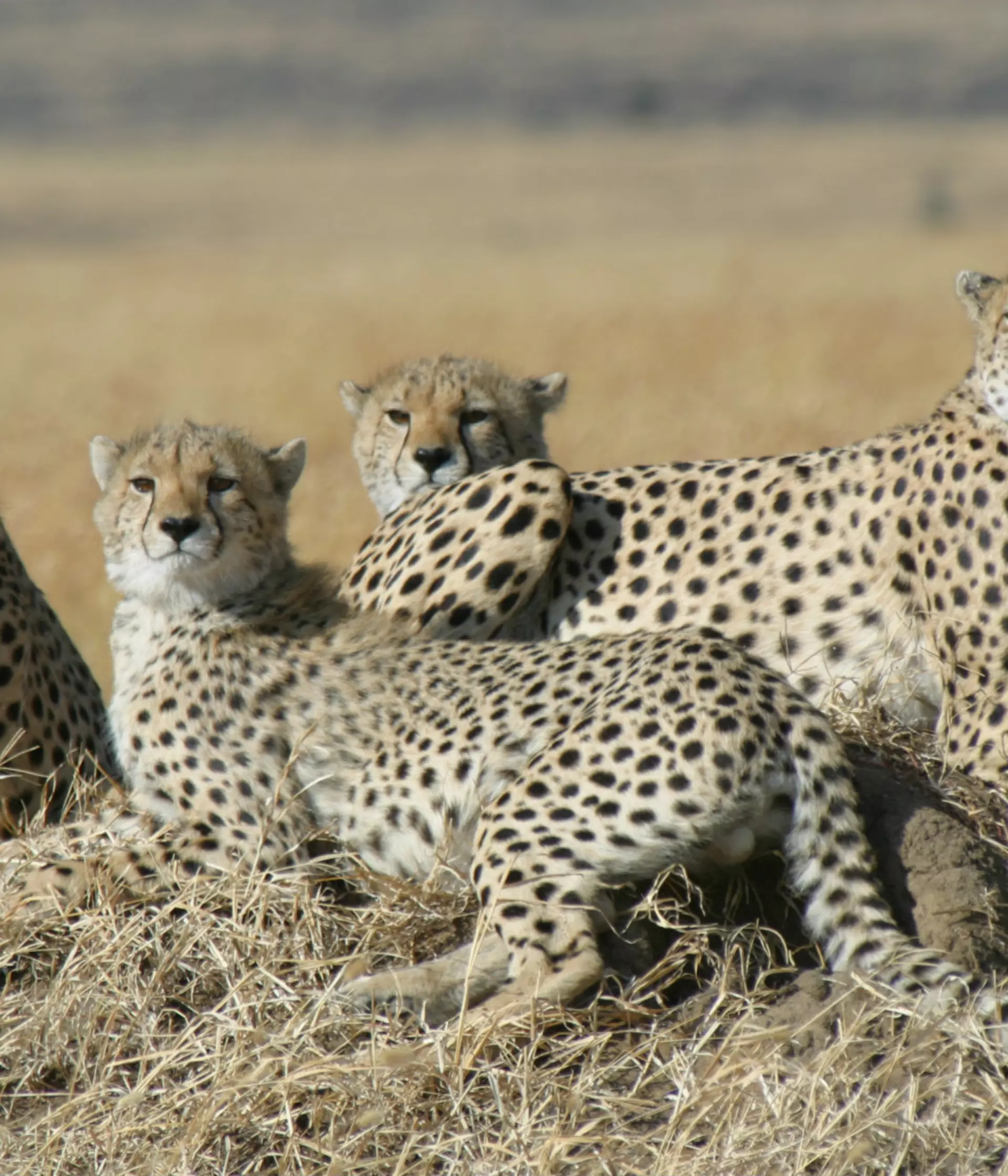
Cheetahs once roamed freely across Africa and southwest Asia. Today, fewer than 7,000 remain in the wild worldwide.
In Africa, there are just 30 known populations of cheetahs and that number continues to decline. In Asia, there are three tiny and critically endangered populations in Iran.
What threats do cheetahs face in the wild?
Cheetah populations face many threats including:
Habitat loss and fragmentation. As human activity from farming and construction stretch into natural habitats occupied by Northwest African cheetahs, their habitat shrinks. This encroachment often leads to human-wildlife conflict.
Livestock keepers and game ranchers who consider cheetahs a threat to livestock or game are known to persecute and kill cheetahs.
A lack of prey, especially in areas where there is unsustainable poaching of antelope.
The Illegal wildlife trade. They are heavily preyed upon by poachers for their furs, and targeted to source exotic pets for buyers around the world.
At ZSL, we’re working to address these threats and to create practical routes to recovery for the species.
Since 1991, we have been conducting the longest running in-depth survey of one of these wild cheetah populations and are working to protect them from threats posed by habitat loss and poaching, and create practical routes to recovery for this species.

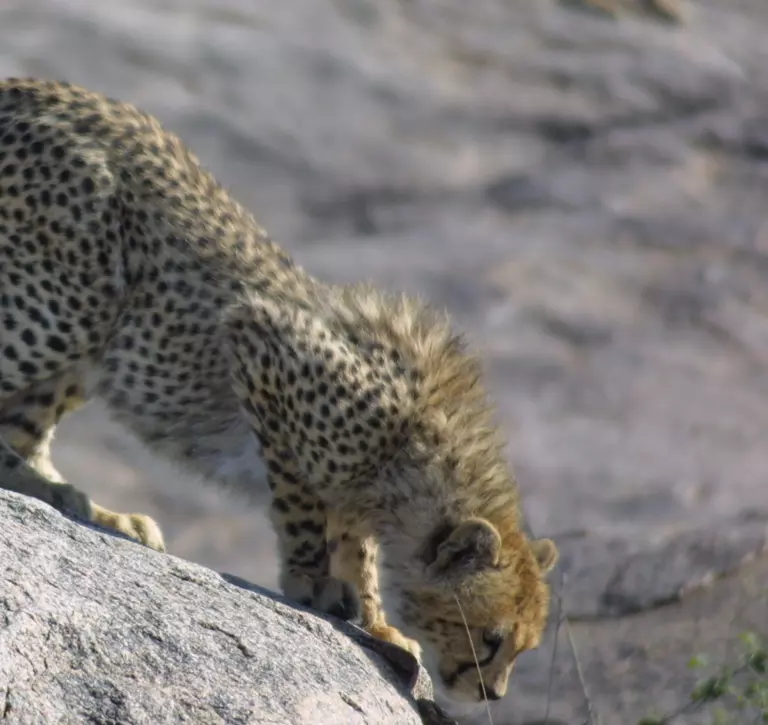

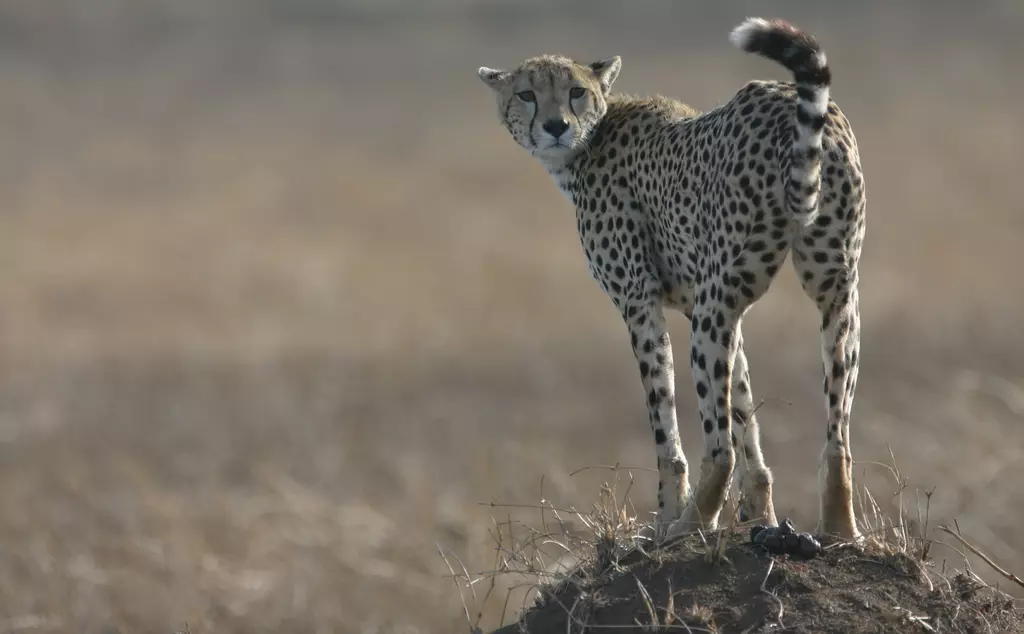
Our cheetah conservation work in Africa
In 2007, in partnership with the Wildlife Conservation Society (WCS) and the IUCN Cat Specialist Group, we launched an innovative international coordinated approach for cheetah conservation. Funded by the Howard G. Buffett Foundation, the project is now known as the African Range Wide Cheetah Conservation Initiative (CCI).
The Africa Range Wide Cheetah Conservation Initiative (CCI)
ZSL leads on this initiative, which aims to enhance cheetah connectivity, promote coexistence with local communities, and build capacity for cheetah conservation. We also support the strategic conservation planning for both cheetahs and wild dogs, having developed over 17 conservation strategies and action plans.
Where do we work?
The CCI operates across various African countries and landscapes, including Angola, Zambia, Botswana, Namibia, Mozambique, South Africa, Zimbabwe, Somalia, Ethiopia, South Sudan, Kenya, Algeria, Benin, Burkina Faso, and Niger.
Conservation success stories
A significant focus of the work addresses the live cheetah trade from the Horn of Africa to the Middle East. Together with the Ethiopian government, the CCI was the first organisation to bring this issue for consideration under CITES in 2013 and has since been actively involved in advocacy and policy efforts around cheetah trade in CITES.
The Initiative also developed a Cheetah Trade Research Toolkit, commissioned by the CITES Secretariat, which provides guidance on cheetah identification, trade reporting, evidence management, live animal handling, and more. Additionally, the CCI has conducted research on cheetah and felid trade, including an ongoing project in the Horn of Africa that implements LEK surveys to investigate the dynamics of the cheetah trade, as well as a study on felid trade in Benin and Niger, which uncovered a high prevalence of felid parts in local markets.
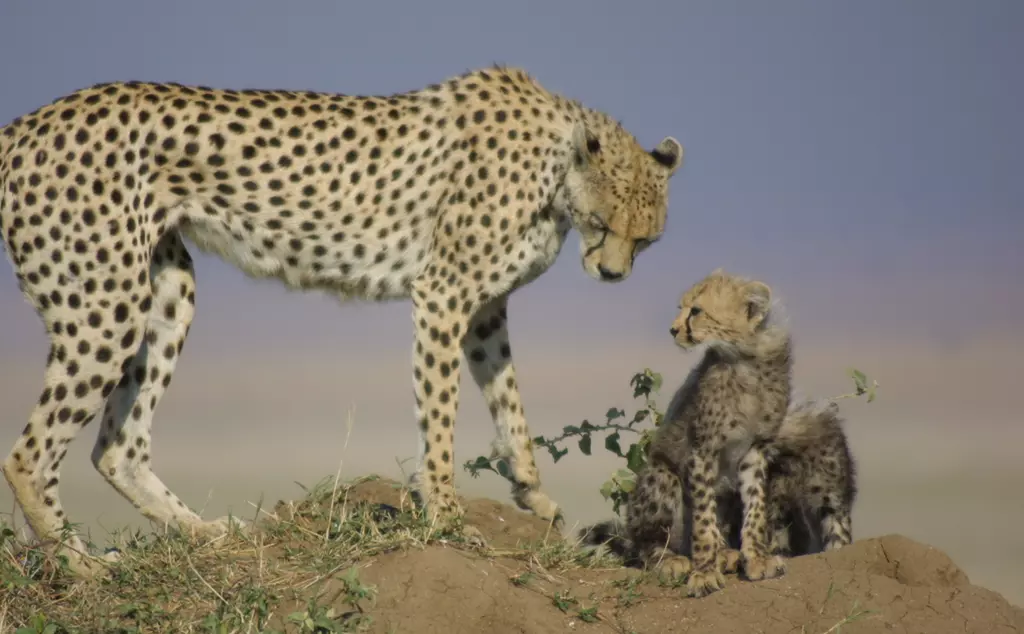
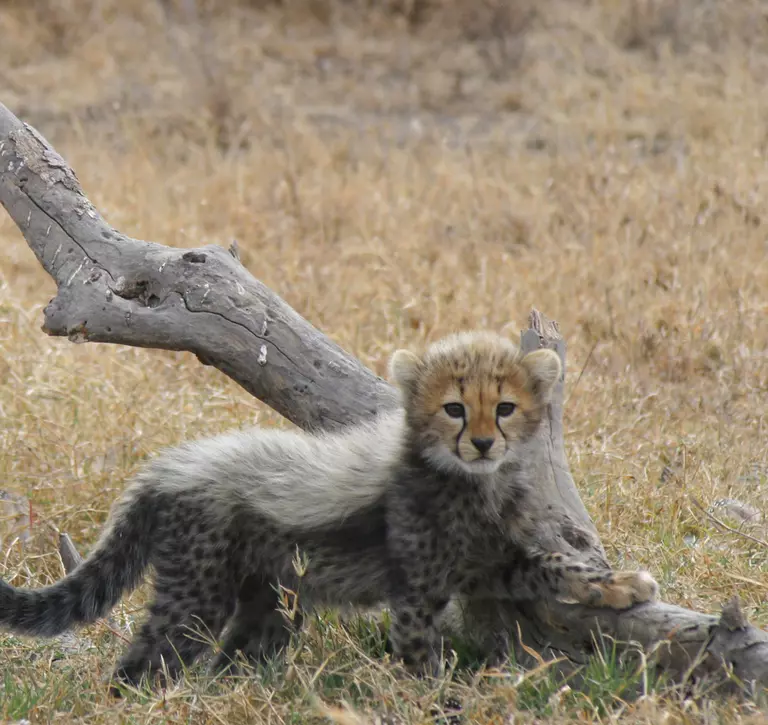
To achieve our objectives, we work in three key areas: corridors, communities and capacity.
Corridors
We work to maintain safe connected habitats across cheetah landscapes, including supporting policies that promote wildlife corridors.
We support seven large, transboundary cheetah landscapes:
The Serengeti-Mara-Tsavo landscape of Kenya and Tanzania.
The Kavango Zambezi Transfrontier Conservation Area (Angola Botswana, Namibia, Zambia and Zimbabwe).
The WAP Complex (the W and Pendjari National Parks and surrounding areas) of Benin, Burkina Faso and Niger.
The Ahaggar/Ajjer landscape in southern Algeria bordering Mali, Libya and Niger.
The Horn of Africa
The Greater Limpopo Transfrontier Conservation Area (GLTFCA)
The Liuwa-Mussuma Transfrontier Conservation Area
Communities
We work with communities to foster sustainable coexistence between people and cheetah and other large carnivores.
Find out more about our Community Projects.
Capacity
We aim to increase capacity in three areas:
Within government wildlife authorities to support cheetah conservation at a national level.
To strengthen national science capacity and develop a new generation of African leaders in cheetah conservation.
To increase the evidence base in cheetah conservation.
Find out more about our Capacity Projects
By acting now, we can help secure a future for threatened cheetahs in Africa, one in which they thrive and are valued by local communities.
Fewer than 7000
cheetahs remain in the wild
Population of 4300
cheetahs in Southern Africa
21%
of cheetahs live inside protected areas
Our cheetah conservation work in Serengeti-Mara-Tsavo
Of the 33 populations of cheetah that remain, only two support more than 1,000 cheetahs. One of these populations occurs in the Serengeti-Mara-Tsavo landscape in east Africa, including the Serengeti National Park, which supports one of the highest densities of cheetahs in the world.
Since 1991, ZSL staff have undertaken an in-depth, long-term study of a wild cheetah population: The Serengeti Cheetah Project. It has provided the scientific foundation to ZSL’s approach to the conservation of the species, and it’s told us much what we know about wild cheetahs today.
The project has shown the scale of the home ranges of cheetah – some covering more than 1000km² – as well as their low density in comparison with other African large carnivores.
This study was the first to reveal the unusual semi-sociality of cheetah - males are social and females are solitary. Using DNA extracted from scat of individually known cheetah, the study also showed that, unusually among cats, female cheetahs are highly promiscuous.
It also revealed that the need to avoid other large carnivores, particularly lions, meant that cheetahs occupy large home ranges and never attain high densities. This shows the need for large connective landscapes for their conservation.
Although the park is safeguarded, cheetahs roam regularly outside the protected area where they face serious threats. Tourism also brings challenges including separation of cubs from their families, disruption of hunts, and deaths on the roads. We’re working to use information from the Serengeti to understand and counter these threats across Africa.
Find out more about our Corridor Projects.
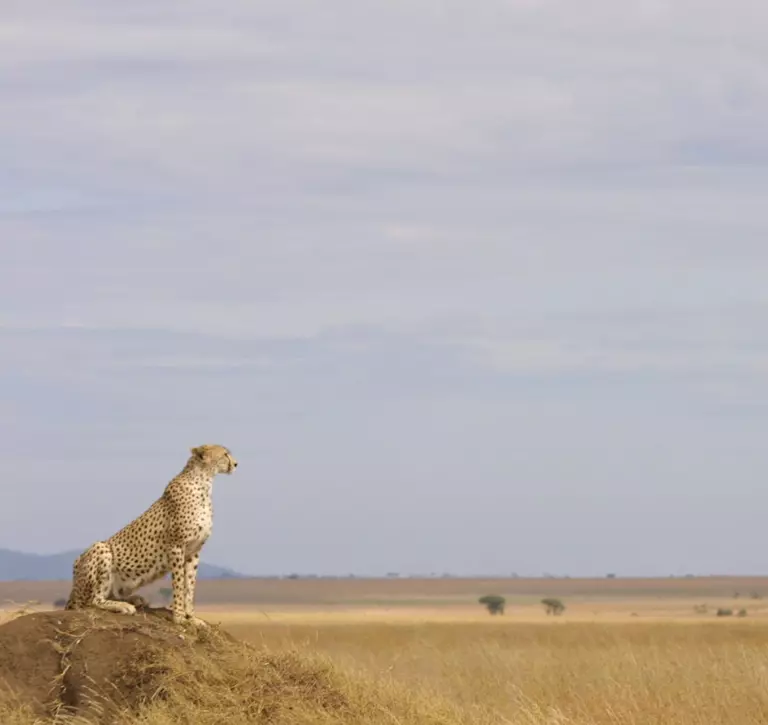
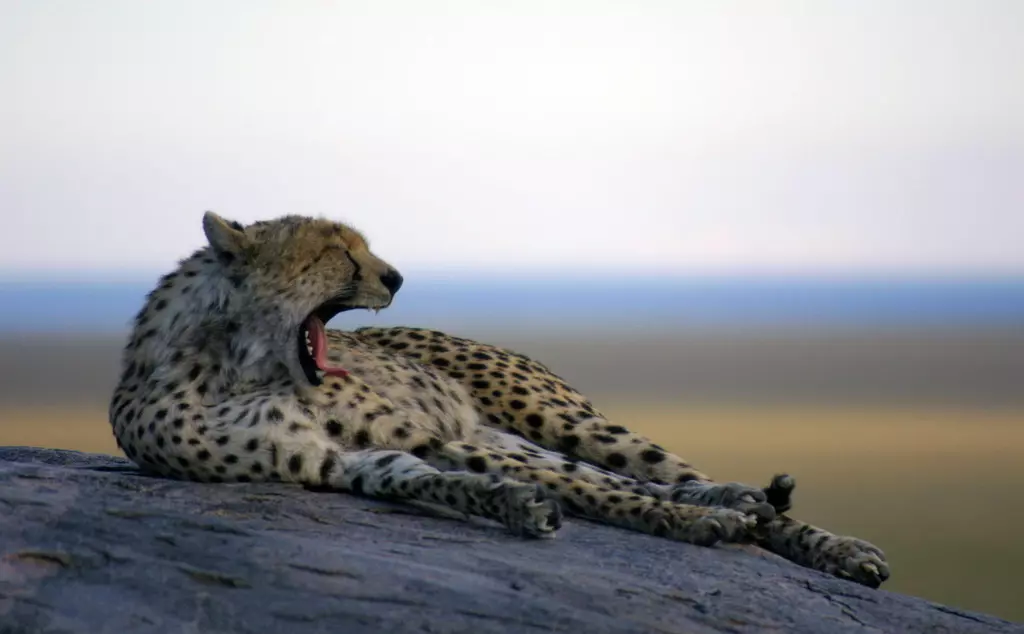
Cheetah conservation: the Tanzania cheetah watch
People involved
Partners & Sponsors
National Carnivore conservation Centre

SUPPORT OUR CONSERVATION WORK
Urgent action to stop the devastation of critical species and habitats by helping people and wildlife live better together, is the only way to save the natural world we love and depend upon. That’s where ZSL comes in, and where you can play your part.