






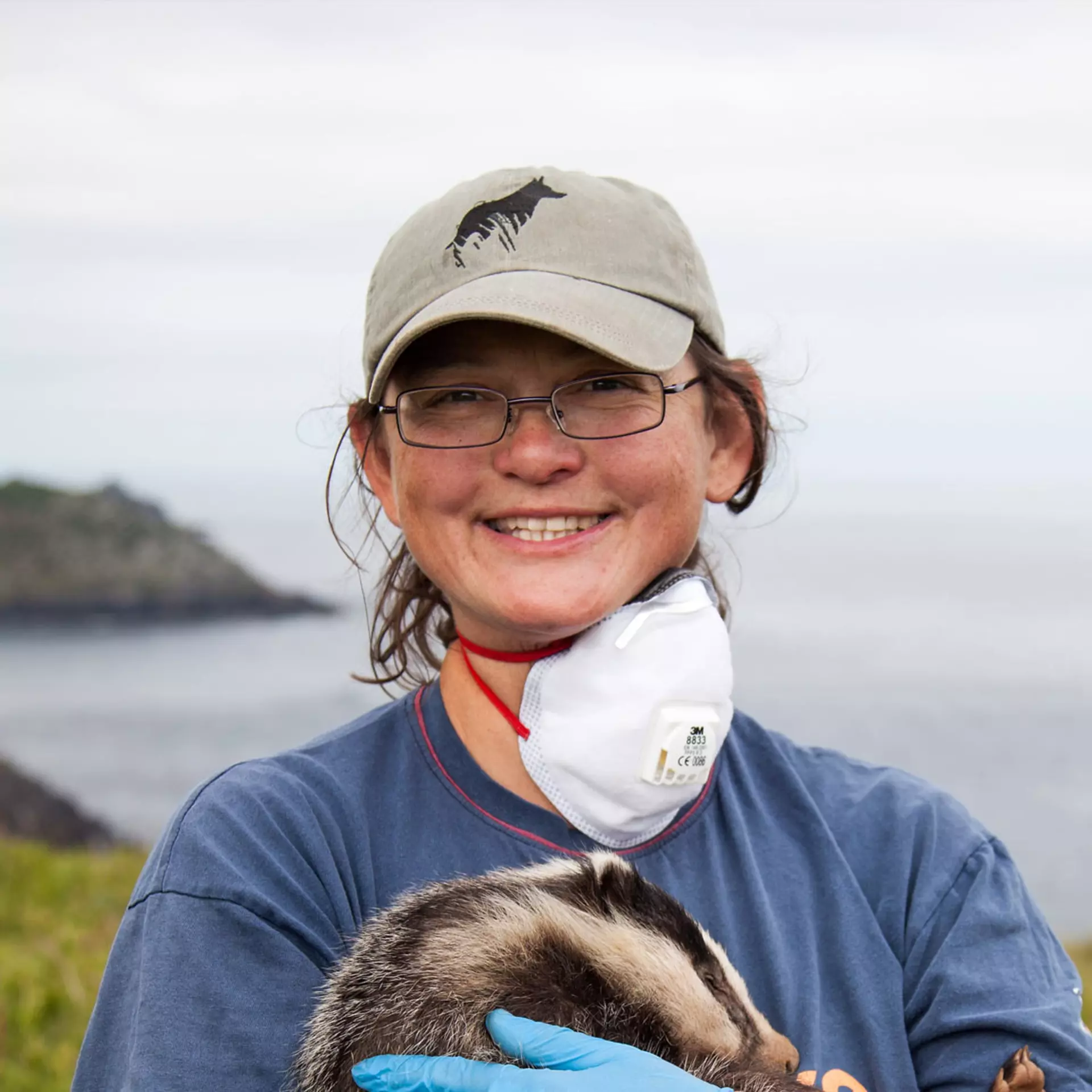
Prof. Rosie Woodroffe
Professor
Key species
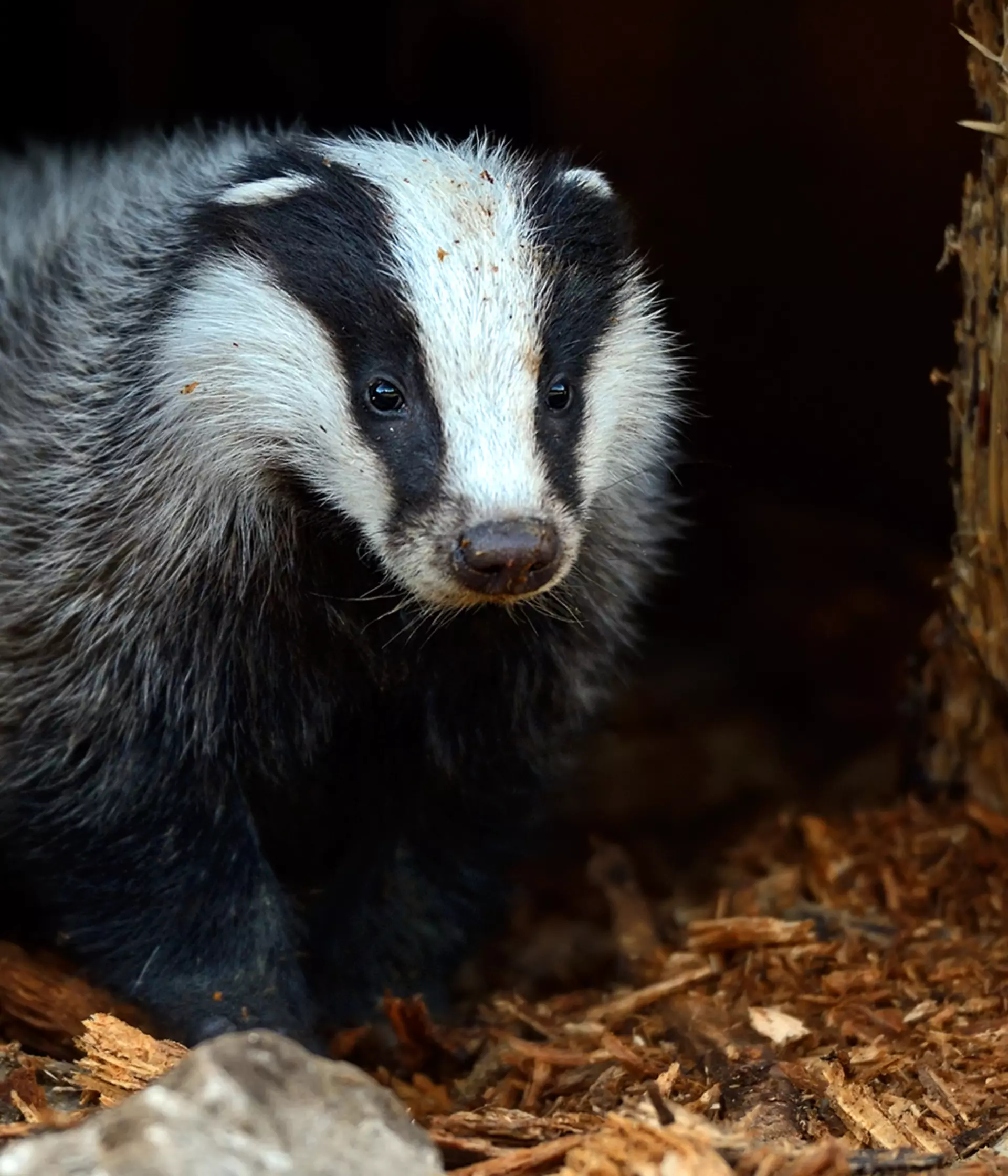
TB in badgers
Bovine tuberculosis (TB) is a significant threat to Britain’s cattle. Although TB rates in cattle have started to decline in recent years, this is still the most important livestock disease in Britain.
We’re working with farmers to deepen understanding of the underlying causes of these increases and to find practical solutions to overcome the causes of TB infections, and have used this insight to support the development of of a new strategy to eliminate TB from cattle in England by 2038.
We know that persistent bovine TB infections among wild badger populations are a contributing a factor to the presence of the disease in cattle.
That’s why we’ve established the Badger Vaccination Project to research the impact of TB vaccination among badgers on rates of infection within wild populations, and to find out if it this can help us control TB infections in cattle.
Why is badger vaccination important?
Government research has shown that vaccinating badgers can reduce the risk of bovine TB in individual badgers and reduce the transmission of the disease from badger to badger.
It's likely that vaccinating badgers could also reduce transmission between badgers and cattle, this is what we aim to learn with the Badger Vaccination Project.
How are the badgers vaccinated?
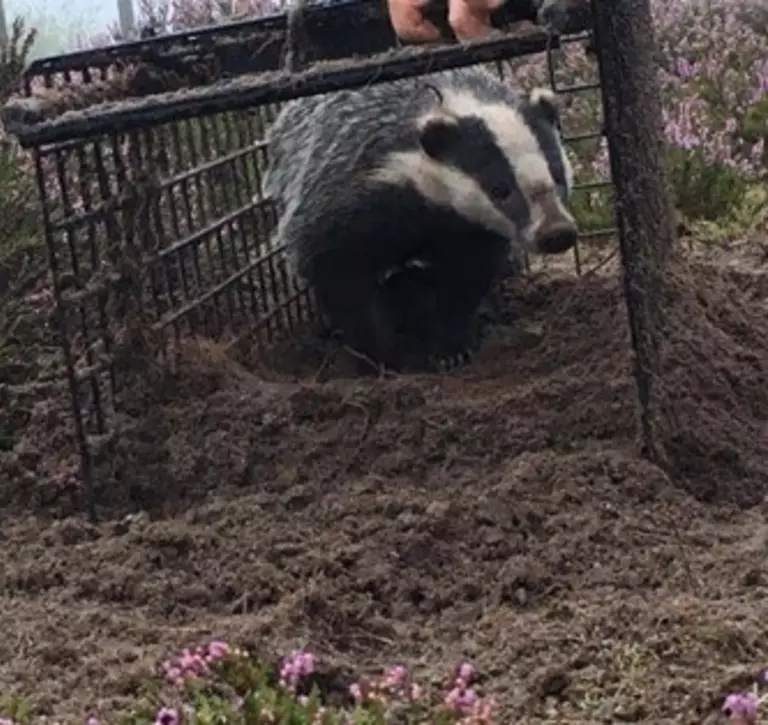
Badgers will vaccinated by hand, in cage traps placed near badger setts. Most badgers will be vaccinated, when they’re conscious, by trained and licensed vaccinators.
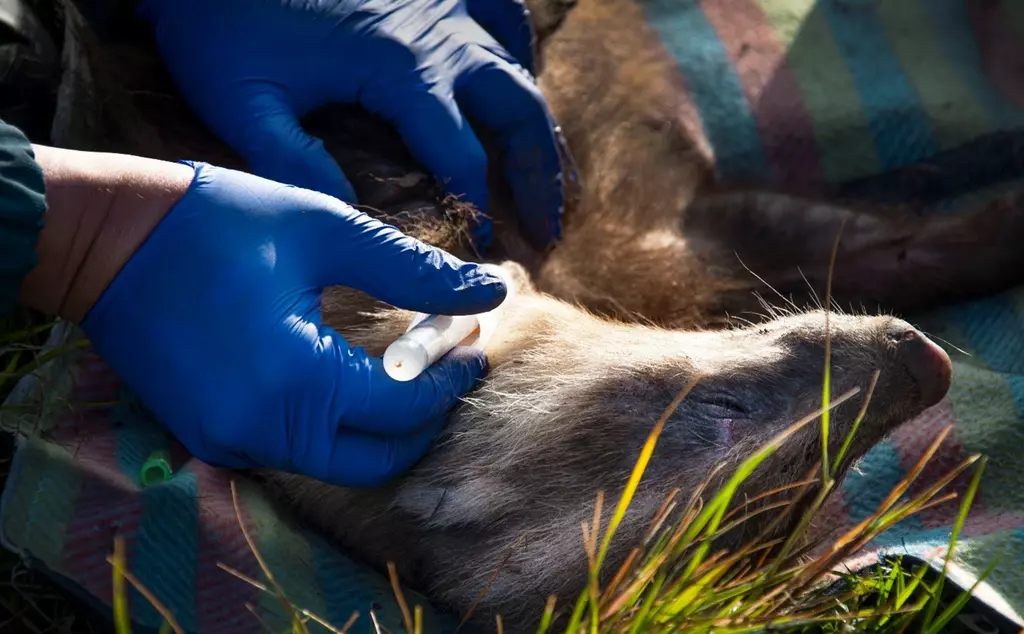
But some will be anaesthetised briefly so researchers can collect blood samples to check that the vaccine is working. Vaccinated badgers will be marked with a fur clip or a microchip to avoid vaccinating the same animal repeatedly. All badgers will be released promptly at the point of capture.
How can I get involved in the Badger Vaccination Project?
We are keen to meet landowners across any of our vaccination areas in Cornwall to discuss the possibility of vaccinating badgers on their land, free of charge.
People involved
- Professor Rosie Woodroffe, Principal Investigator
- Kelly Astley, Badger Vaccination Coordinator
- Olivia Bell, Postdoctoral Research Assistant
- Adrienne Hutchinson, Badger Project Field Technician
We sought a sustainable, evidence-based solution which recognises the impact the disease has on farm's lives.
Related projects
Badger Cattle Contact Project
Our Badger Cattle Contact Project is researching contact between badgers and cattle to understand how bovine tuberculosis is transmitted between the species.
Find out more about the importance of co-existence between wildlife and people
Urgent action to stop the devastation of critical species and habitats by helping people and wildlife live better together, is the only way to save the natural world we love and depend upon. That’s where ZSL comes in, and where you can play your part.