
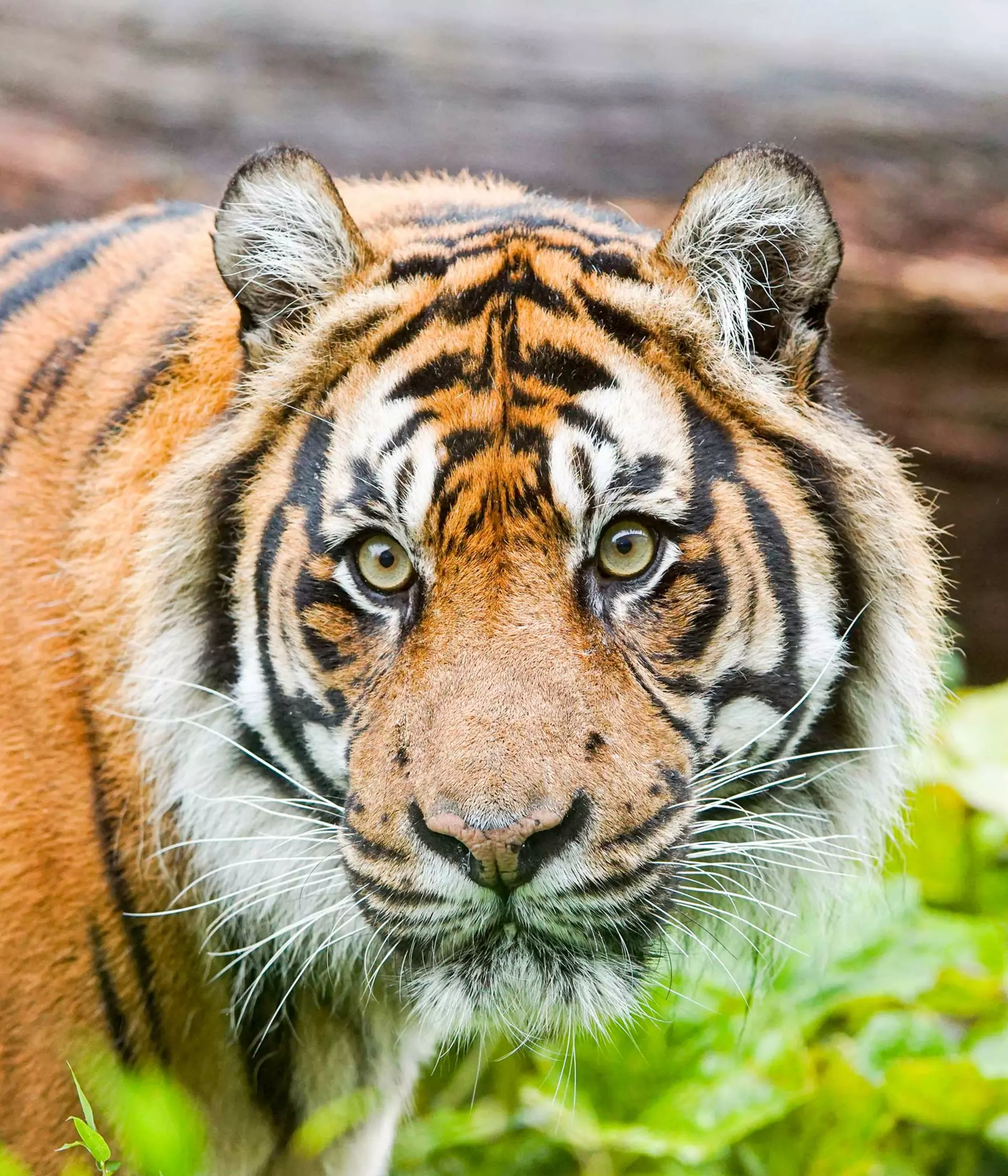
More than just a zoo...
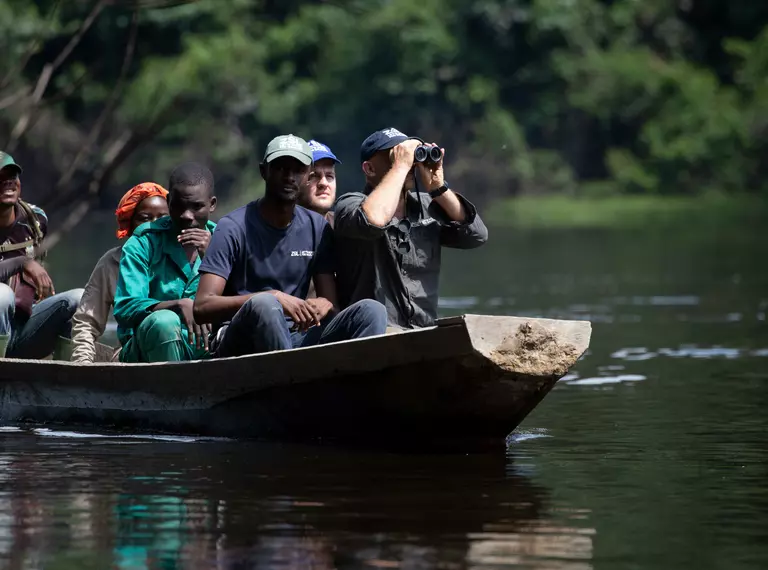
When you visit London Zoo, you’re doing great things with your great day out. We are more than just a zoo – we are part of ZSL (Zoological Society of London) a global wildlife conservation charity. Our teams of conservationists, scientists, technicians and community specialists are active in over 70 countries - and every visit to London Zoo helps fund their vital work to restore habitats and protect wildlife.
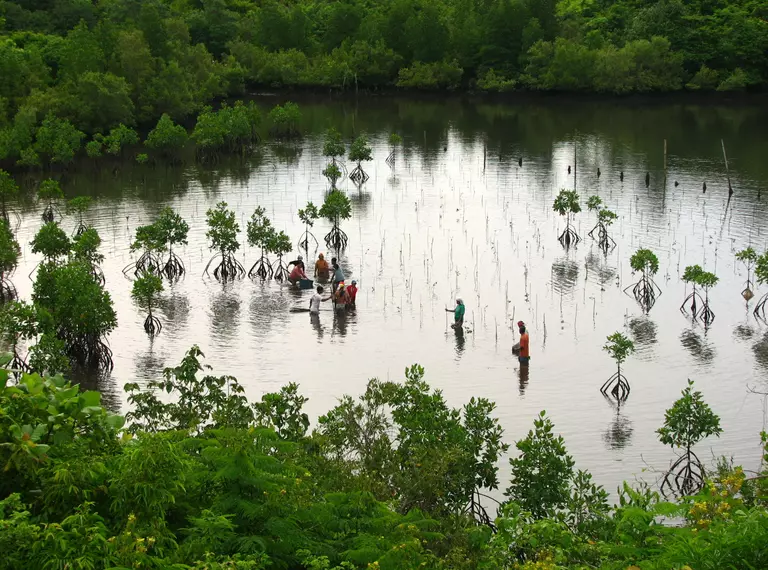
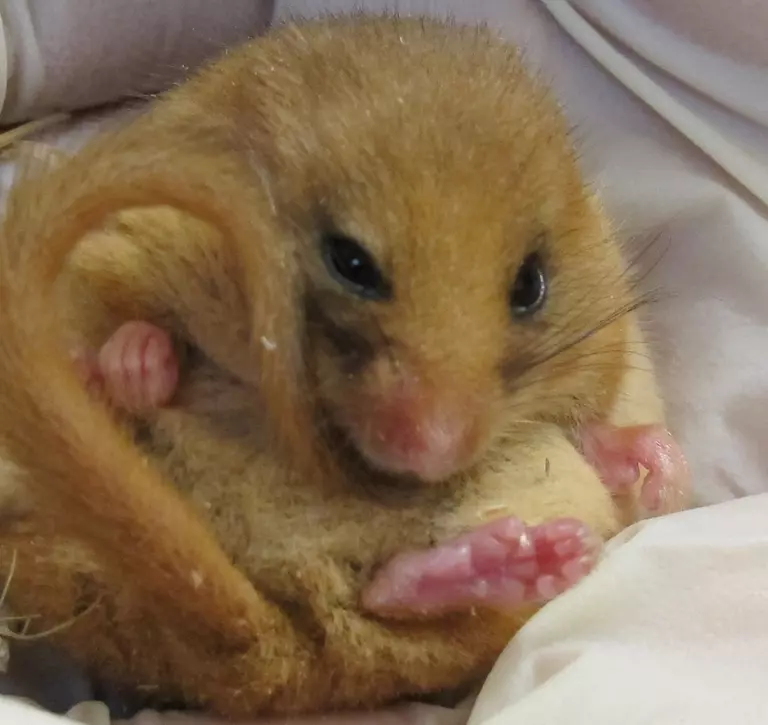
We also undertake crucial conservation work here in our zoos – from reintroducing the smallest snails, to breeding and caring for critically endangered Sumatran tigers, through to advancing knowledge to help with global field conservation which includes protecting wild rhino in Africa. restoring mangrove ecosystems in Asia and reintroducing dormice in the UK.
London Zoo’s role in global conservation
Explore our important conservation work at London Zoo and how you can support us:

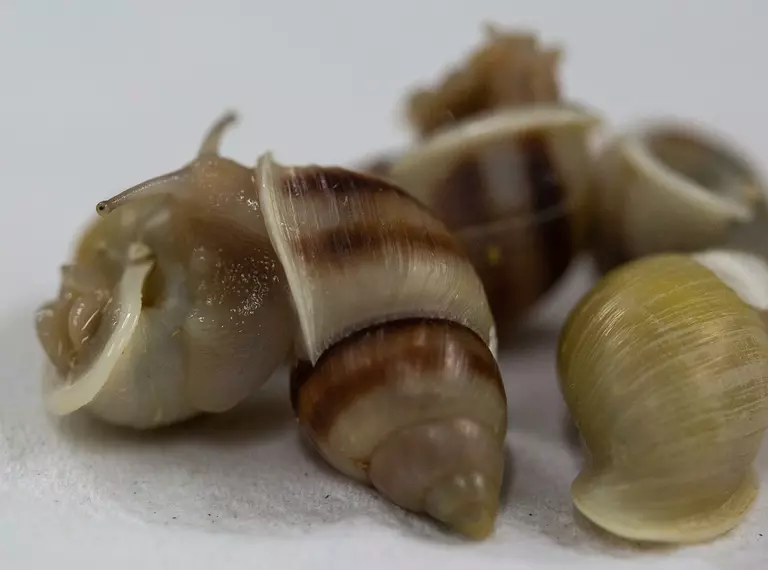
Zoo conservation goes big for tiny snails
Since 1994 we’ve been co-ordinating the conservation breeding programme for 25 species of partula snail in 16 zoos worldwide.
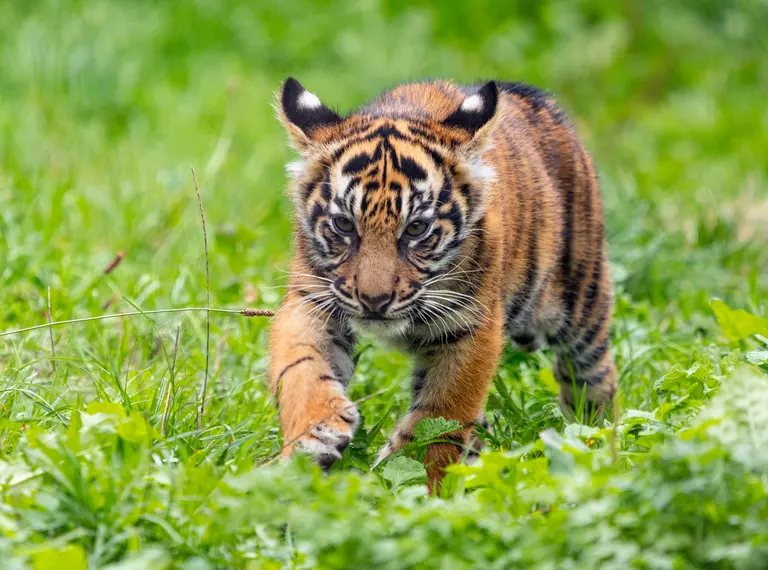
London Zoo conservation breeding
How we apply our expert knowledge gained from working with animals at the Zoo to make a global conservation impact.
Make sure you pop into the Secret Life of Reptiles and Amphibians when it opens later in 2023 to see the unique mountain chicken frogs and find out about how we saved their species from complete extinction. When it was discovered there had been a collapse in the world’s only population of these majestic frogs on their island habitat, we airlifted the last surviving animals to safety before they went extinct.
ZSL scientists, studying a fungal disease that was killing frogs in the wild, found ways to help the mountain chicken frogs be more naturally resistant, through special temperature pools. Our conservationists on the ground re-created these pools in the frogs’ island home, have re-introduced the animals and are now helping them re-establish their population. Our careful monitoring has shown that things are looking up, and that amphibians have a much brighter future.

Mountain Chicken Frog Conservation

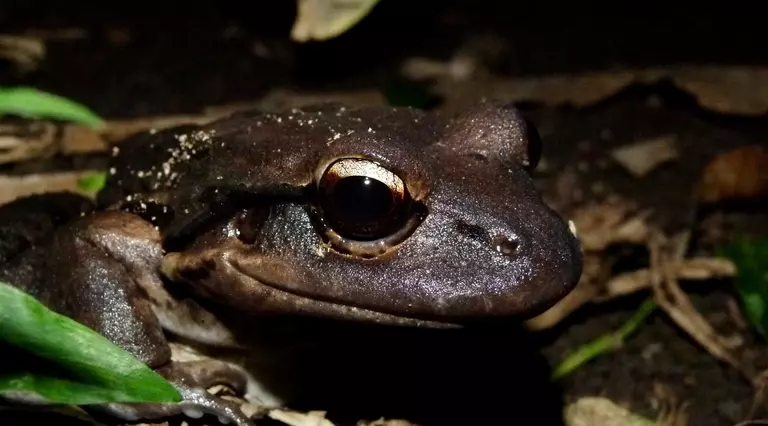
Frog conservation at London Zoo
Our scientists helped uncover a deadly fungus which is putting amphibians across the world at risk. Today we are researching possible routes to recovery.
Is London Zoo a Good Zoo?
London Zoo was the world’s first scientific zoo, created to advance our understanding of the natural world through the study of zoology. We continue to learn from the animals in our care, and to share that knowledge with others for the benefit of conservation and welfare. Our mission and focus shifted to conservation in the 1960s as we realised the scale of wildlife decline, driven by human activity. We built on our origins to combine science and conservation and develop powerful conservation solutions that are helping reverse wildlife decline and restore the diversity of life everywhere.
Through our leading conservation zoos – London and Whipsnade – we bring people closer to nature in shared spaces of wonder and unique centres of learning, inspiring a lifelong love of animals in the conservationists of tomorrow.
How does London Zoo care for its animals?
The animals we look after are our highest priority, and their welfare and wellbeing is paramount to our vision of a world where wildlife thrives. Caring for them is a complex business with specialists in many different areas including health, nutrition, behaviour, enrichment and veterinary care. We ensure our animals have choices about where to go and what to do, putting them in control of their environment as much as possible.
Read on to find out how our animals are helping global conservation.


Zoo Conservation – how do zoo animals help conservation?
For generations, London Zoo has brought people closer to nature in a unique centre for learning to inspire a lifelong love of animals in the conservationists of tomorrow.
Many of the animals cared for at London Zoo – and at ZSL’s larger conservation zoo at Whipsnade - play an active and important role in ensuring a future for their species. Over a dozen species we care for at London Zoo are now completely extinct in the wild, and many more species are endangered or critically endangered in the wild.
Our zookeepers and zoo curators are not just experts at ensuring world-class welfare and wellbeing for the animals in their care. Many also lead international breeding programmes which help protect the genetic health and diversity of species through an ongoing collaboration with leading zoos across Europe.
Through this collaborative programme, a wide range of species are carefully paired and exchanged with other world-class zoos so to ensure our breeding animals are as healthy as possible. This is vital to ensure that no matter how critically endangered a species may become in the wild, a healthy population is maintained that keeps alive the future prospect of reintroduction to recover natural populations.
In our vibrant Tiny Giants experience you are surrounded by conservation in action. In our tackling of illegal wildlife trade, the thriving reef is grown entirely from rare corals that were seized by customs officials at Heathrow airport from smugglers who had taken these beautiful creatures illegally from the wild. Marine invertebrate experts at London Zoo took in the endangered corals, nurtured them and are studying them to understand how to protect these amazing creatures, which are highly vulnerable to the effects of climate change.
A ZSL Conservation Zoo
Here are just a few of the many examples of how our zoo experts, our scientists and our conservationists work together to find solutions to protect critically endangered species, restore habitats and help wildlife thrive.
Conservation and wild release from London Zoo
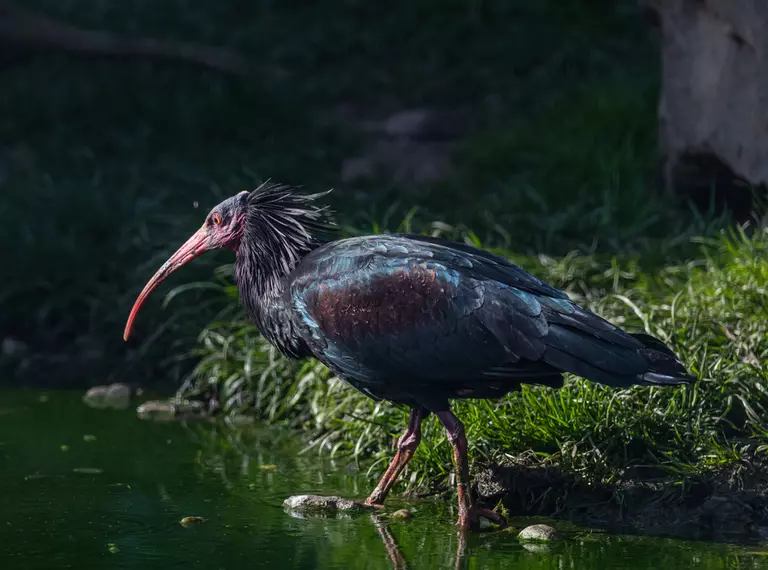
Our work protecting species and restoring ecosystems underpins everything we do – and reintroducing animals back to wild habitats is always a fantastic moment for our conservationists, scientists and zookeepers.
Sanctuary for endangered species
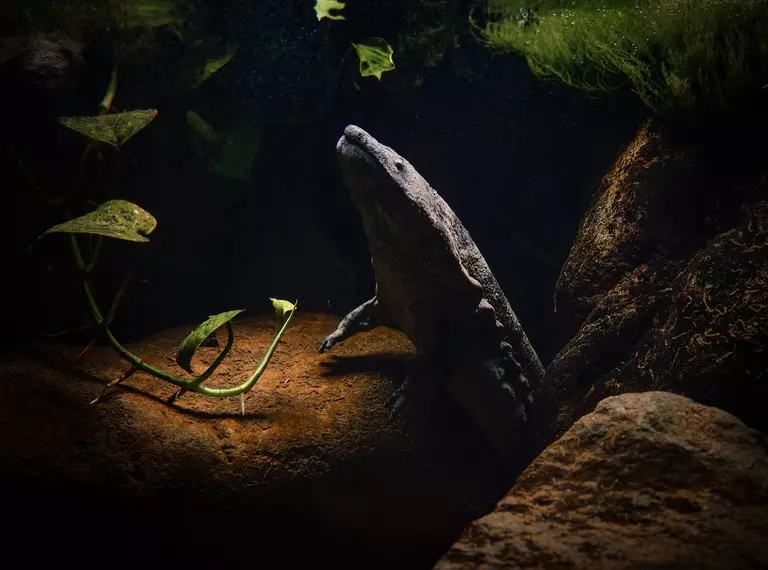
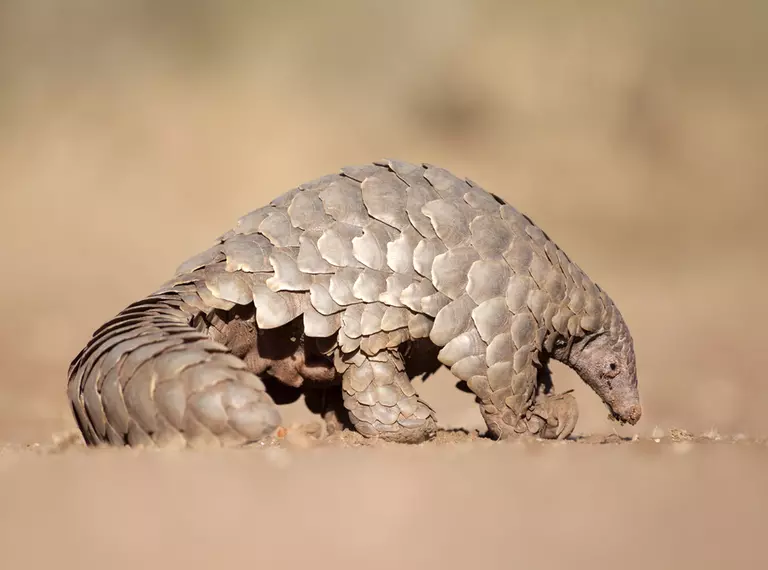
We have provided a home for more than 3,370 animals confiscated by the UK’s border force, including Egyptian tortoises, red rain frogs, green tree pythons and hundreds of corals, and we are leading work globally to end the illegal wildlife trade.
London Zoo's scientific heritage
Founded almost 200 years ago, London Zoo was the world’s first scientific zoo, created to advance our understanding of the natural world through the study of zoology.
That tradition of discovery continues, but today we focus on finding ways to halt the decline in biodiversity, to protect critically endangered species and to find sustainable solutions to help people and wildlife to live in balance together.
As you wander through our East Tunnel at London Zoo you might not realise you are in fact walking under our Institute of Zoology – a global centre of excellence where hundreds of scientists, data researchers and technical specialists in conservation are hard at work to understand the threats to wildlife, and how to solve them.
Whether it’s technologies to detect and disrupt the illegal wildlife trade, understanding diseases affecting endangered species in the wild, studying data to identify species most at risk - our teams provide the science and insight that drives our global conservation.
Wildlife under threat from climate change
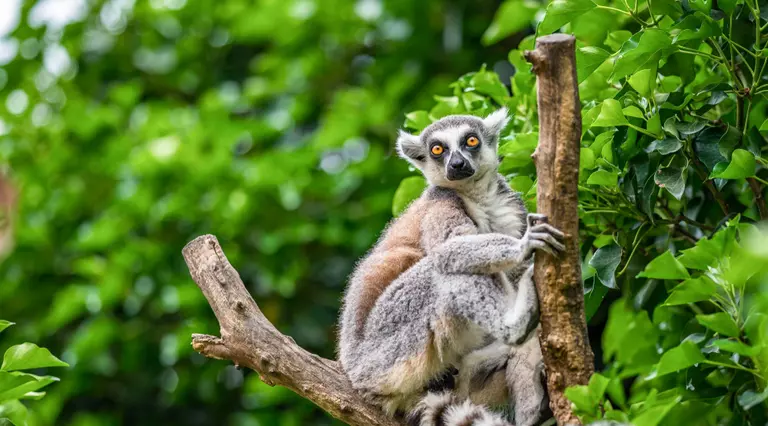
Fighting the climate crisis from the Zoo
The climate crisis is one of the greatest threats to wildlife – and we're working to cut our carbon emissions by half by 2030.
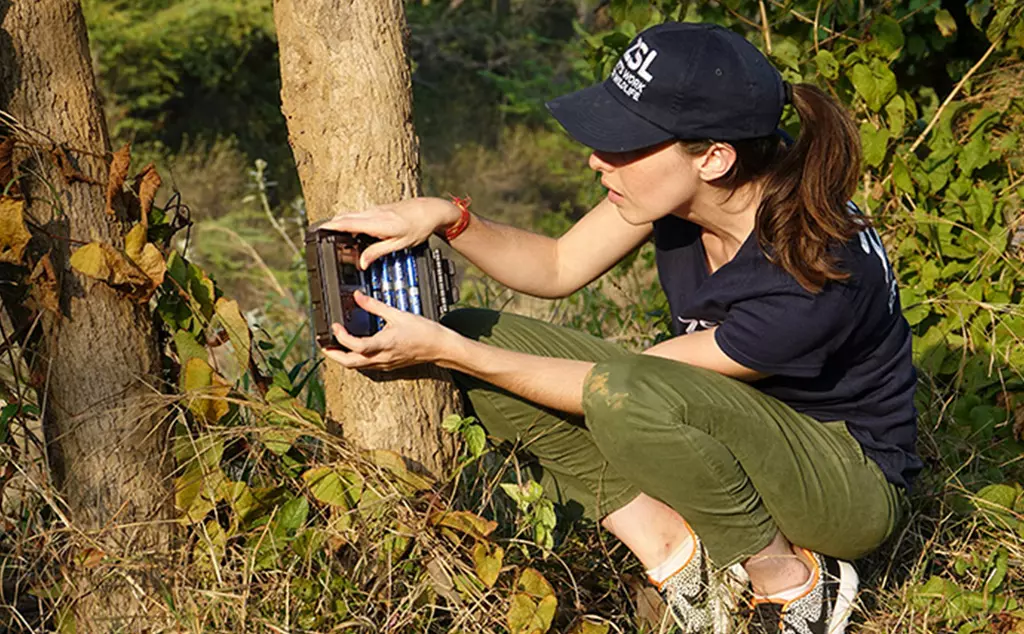
Our ambition for the future is to update our Institute building to create opportunities for visitors to London Zoo to see our experts at work. Find out more about our Institute of Zoology, our technical experts, scientists and researchers and opportunities for postgraduate study with us:
Our Library collection, like ZSL itself, is amongst 200 years old. We hold an amazing archive of historical zoological reference books, wildlife painting and illustrations and letters. Academics, researchers and even authors visit our collection to learn, be inspired and further understanding of the natural world.
We even have letters from Charles Darwin himself, who was a fellow of the Zoological Society and often came to London Zoo to observe and learn about the animals, as he developed his passion and for zoological knowledge which eventually led to his world-changing theories of evolution.