Printable version

About the Clore Rainforest Lookout

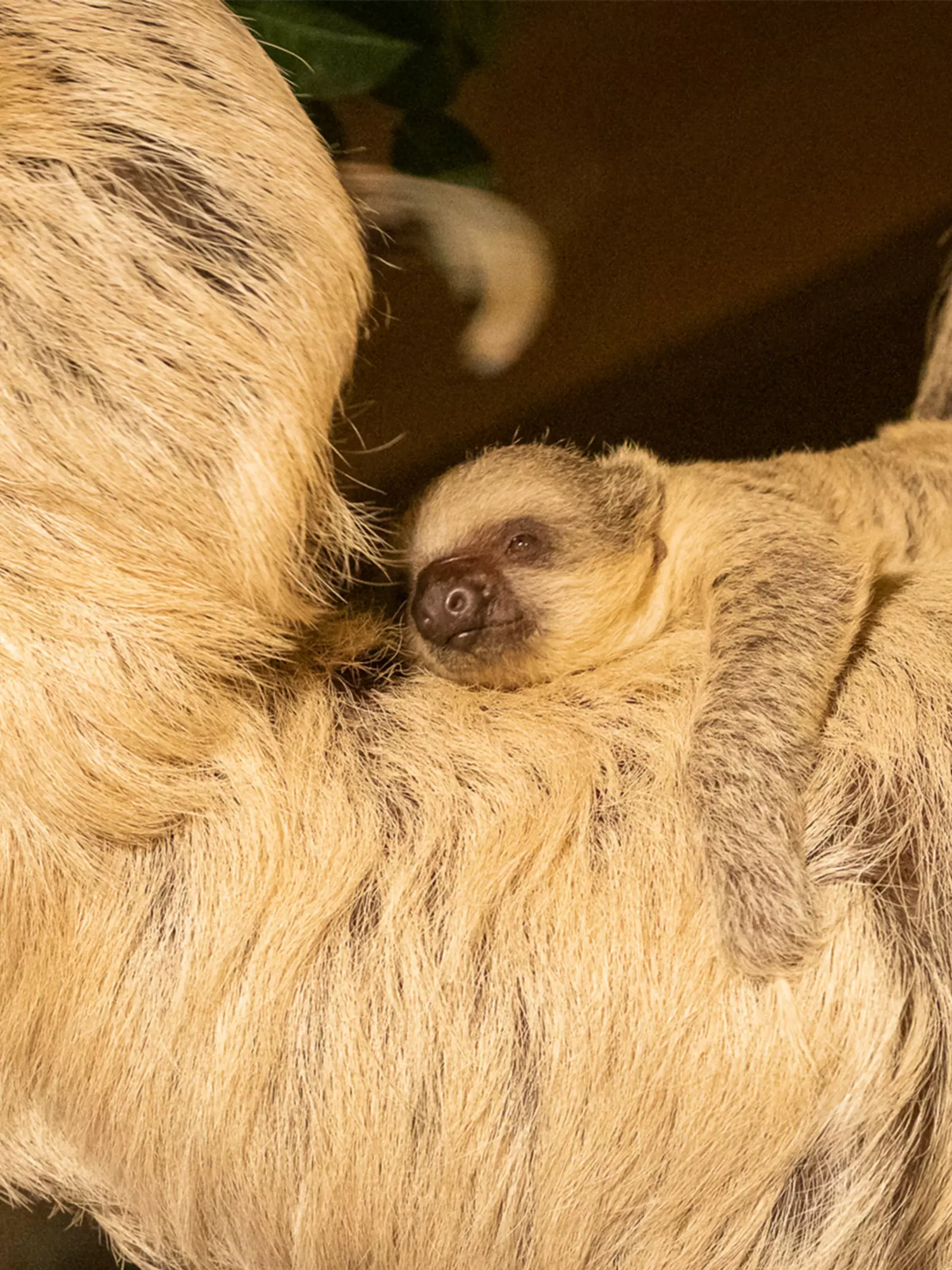
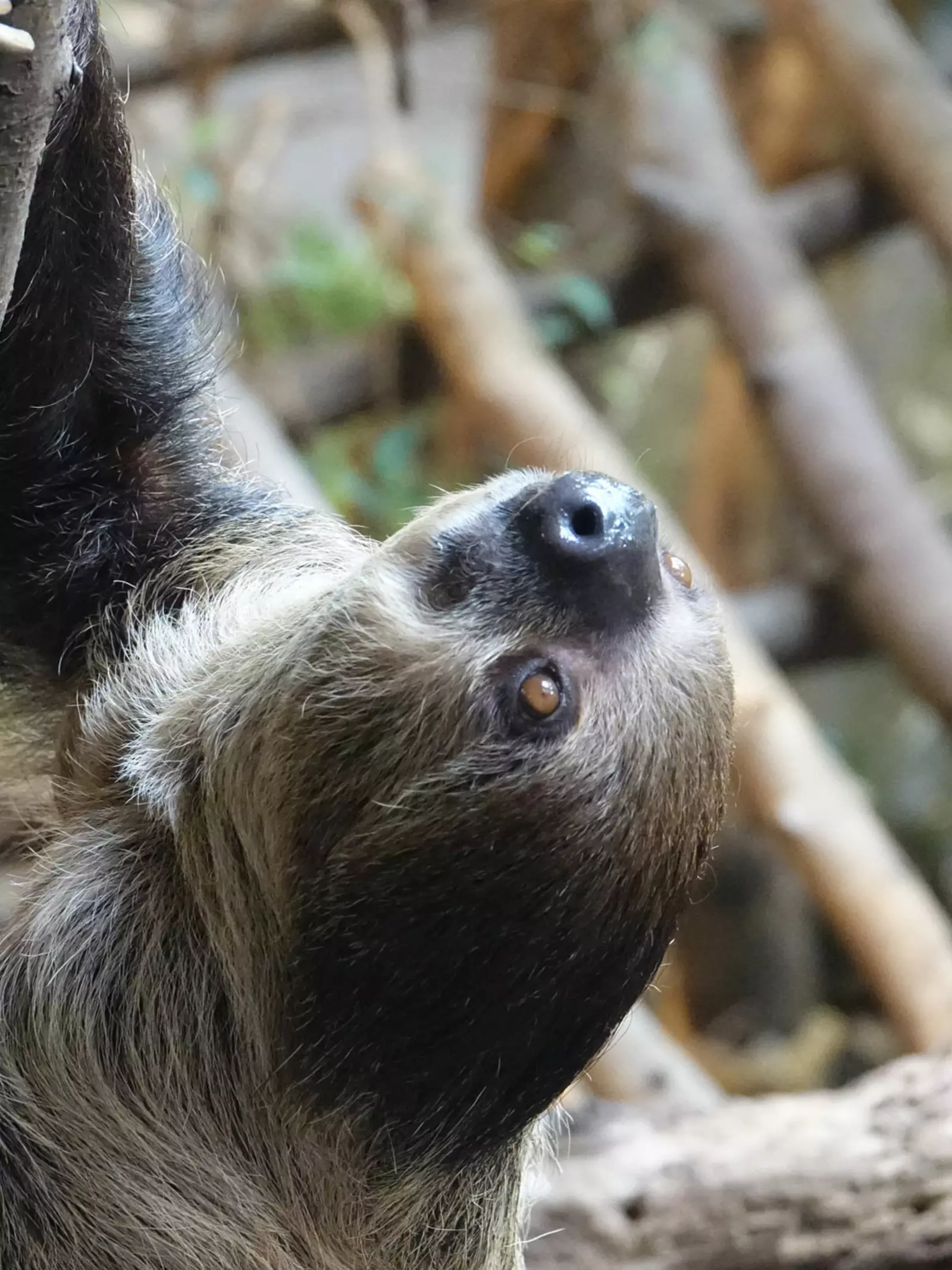
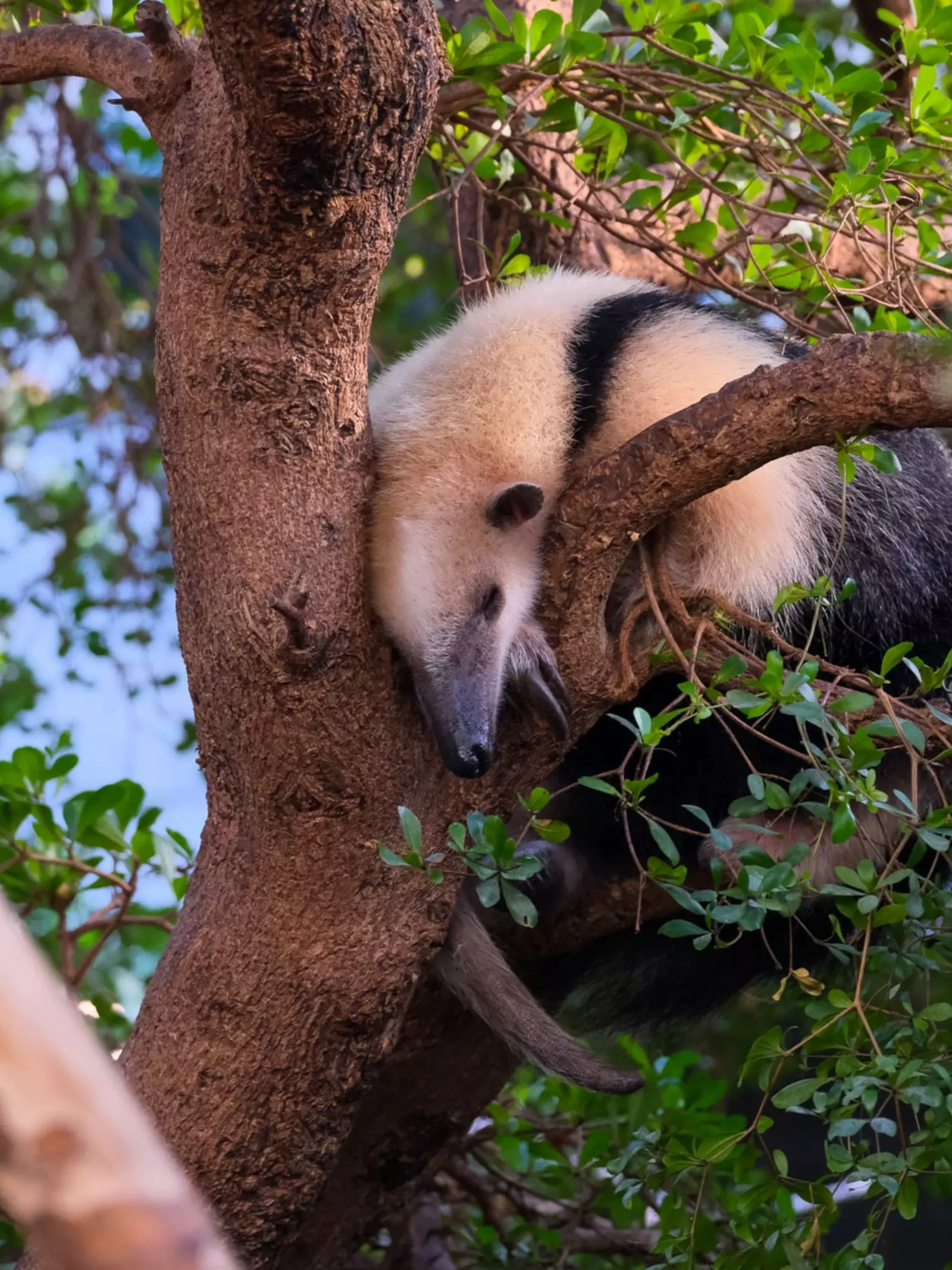
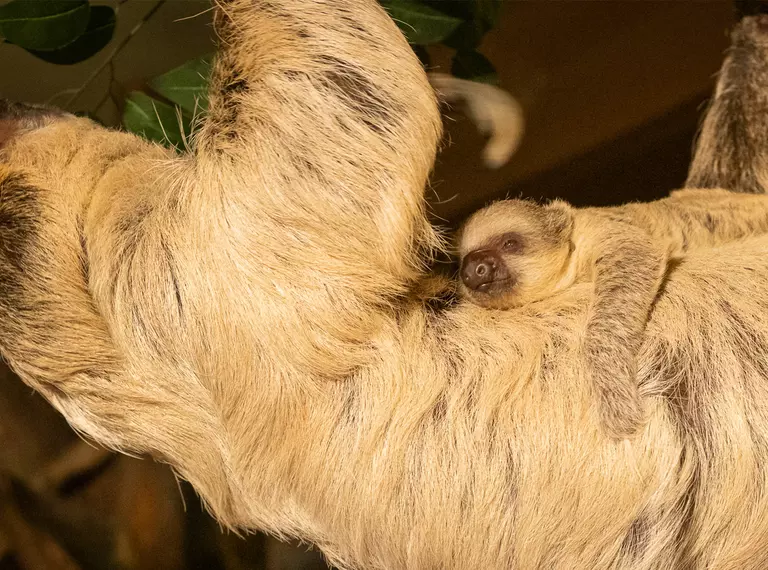
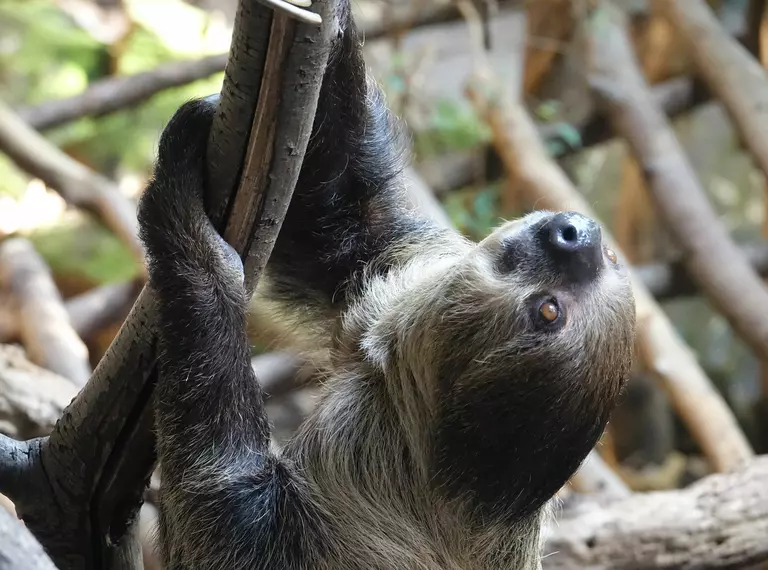
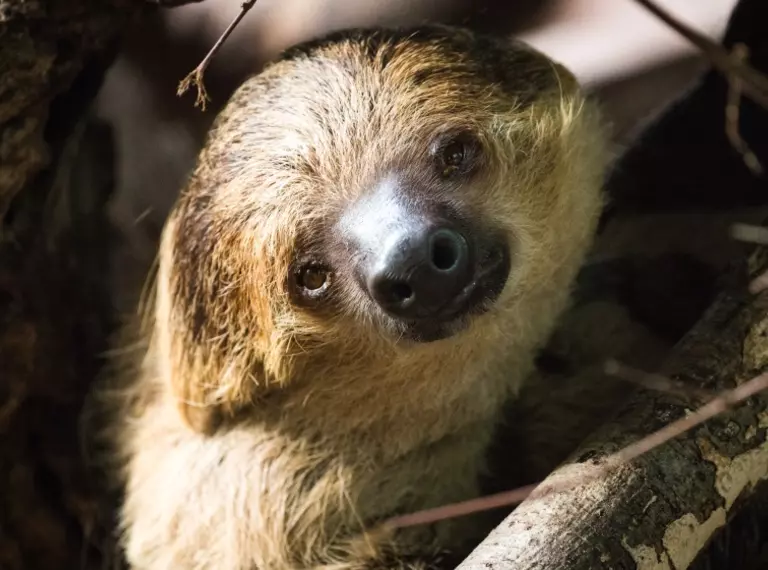
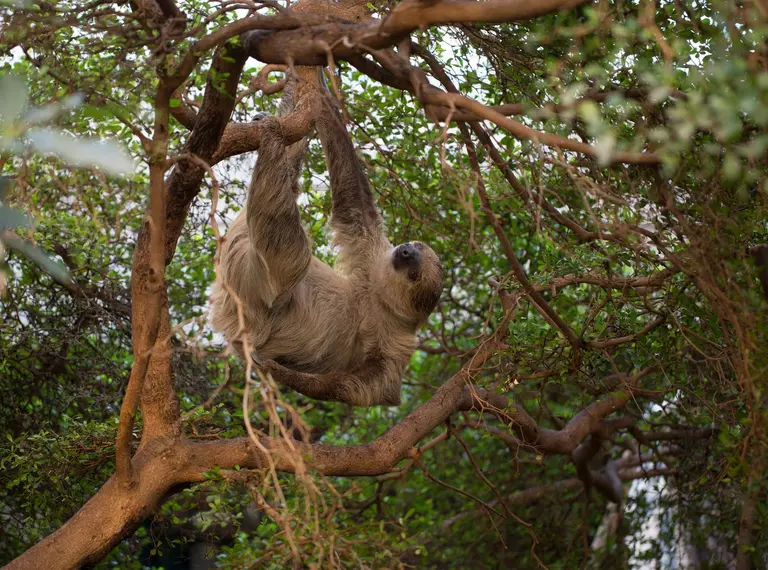
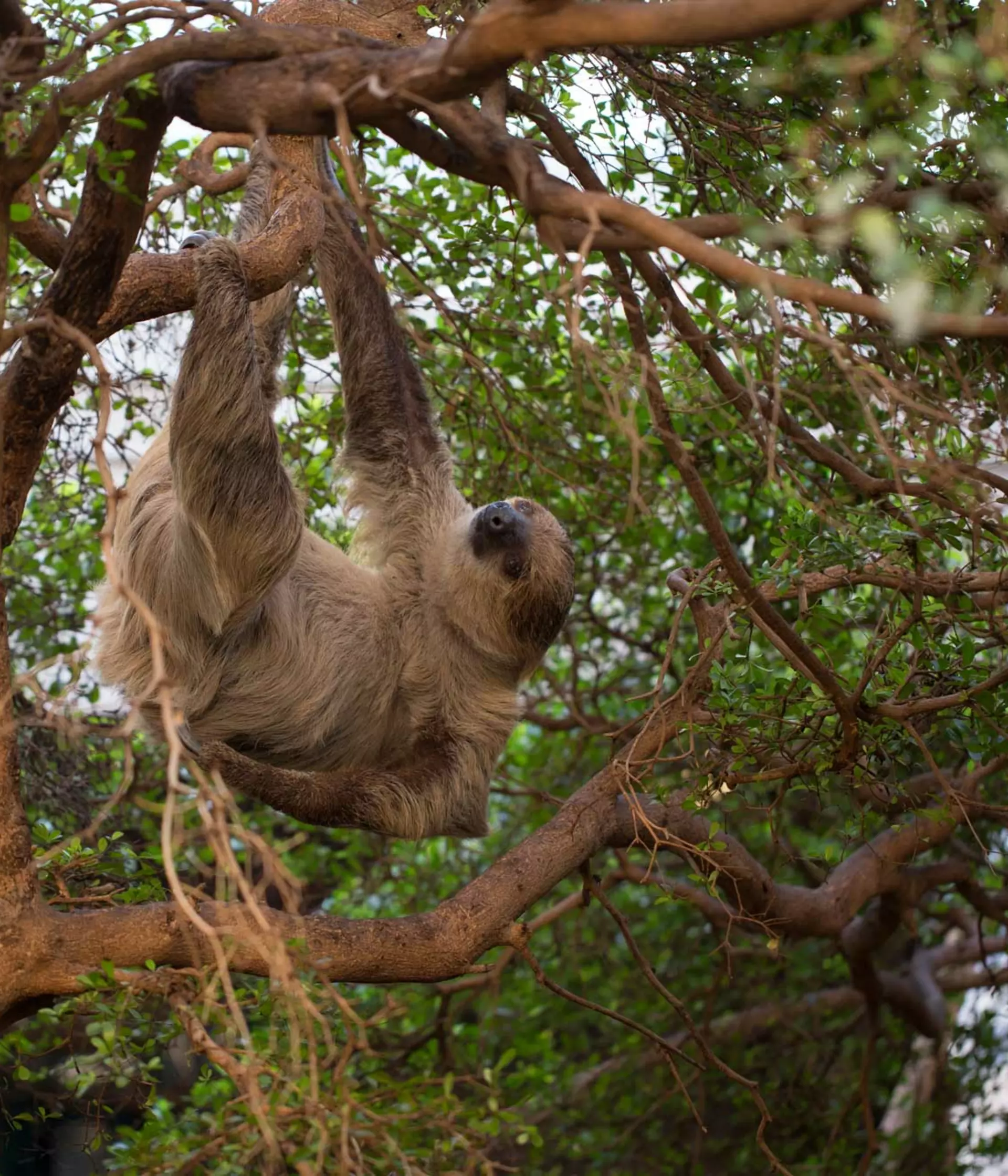
Explore a rainforest canopy and watch tiny monkeys dart around in the treetops while birds flit between branches, sloths snooze and agoutis forage on the forest floor.

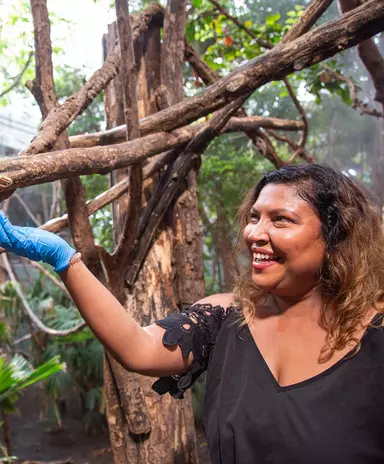
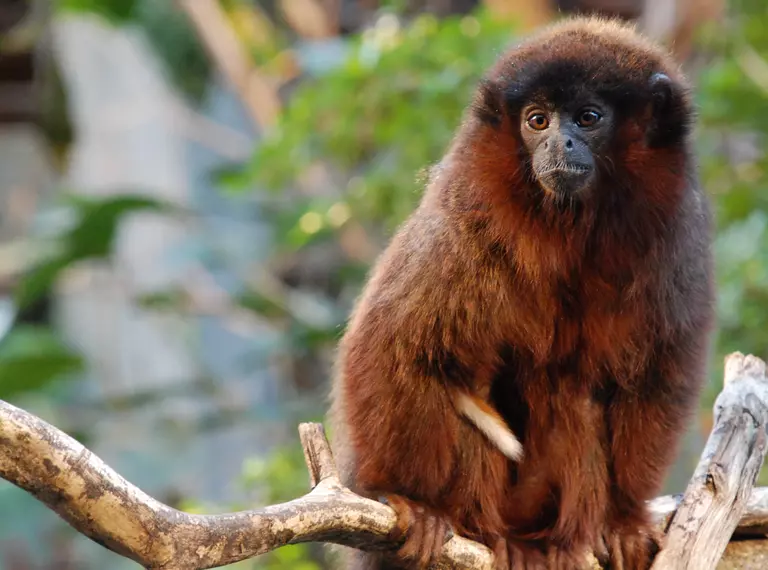
Clore Onlookers
© ZSL
Clore Rainforest Lookout, is our new exhibit that brings down the barriers between animals and visitors by creating a basement-to-rooftop South American rainforest under a translucent roof. Visitors will have the unique opportunity to wander around a tropical rain forest at canopy and forest floor level.

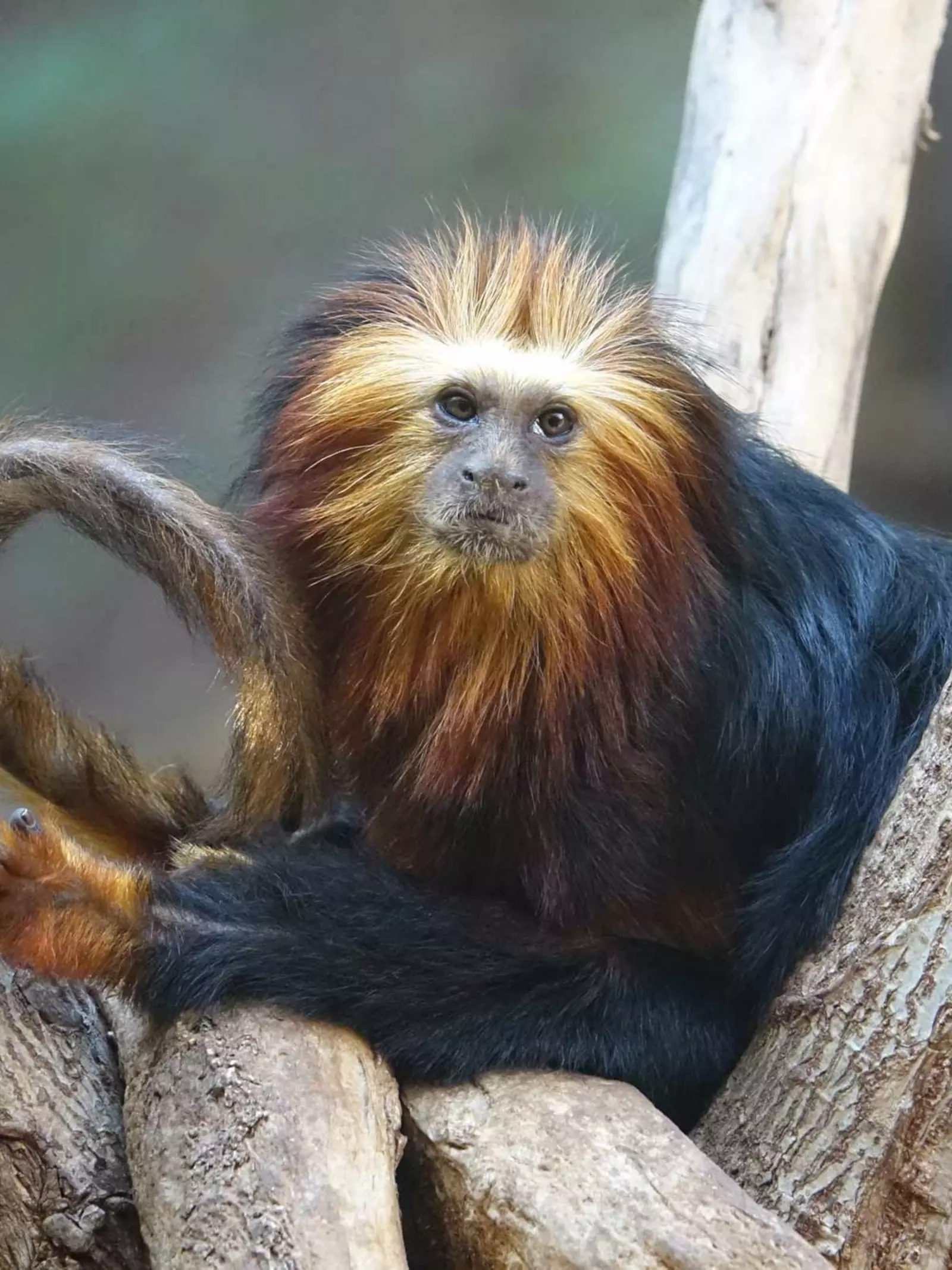
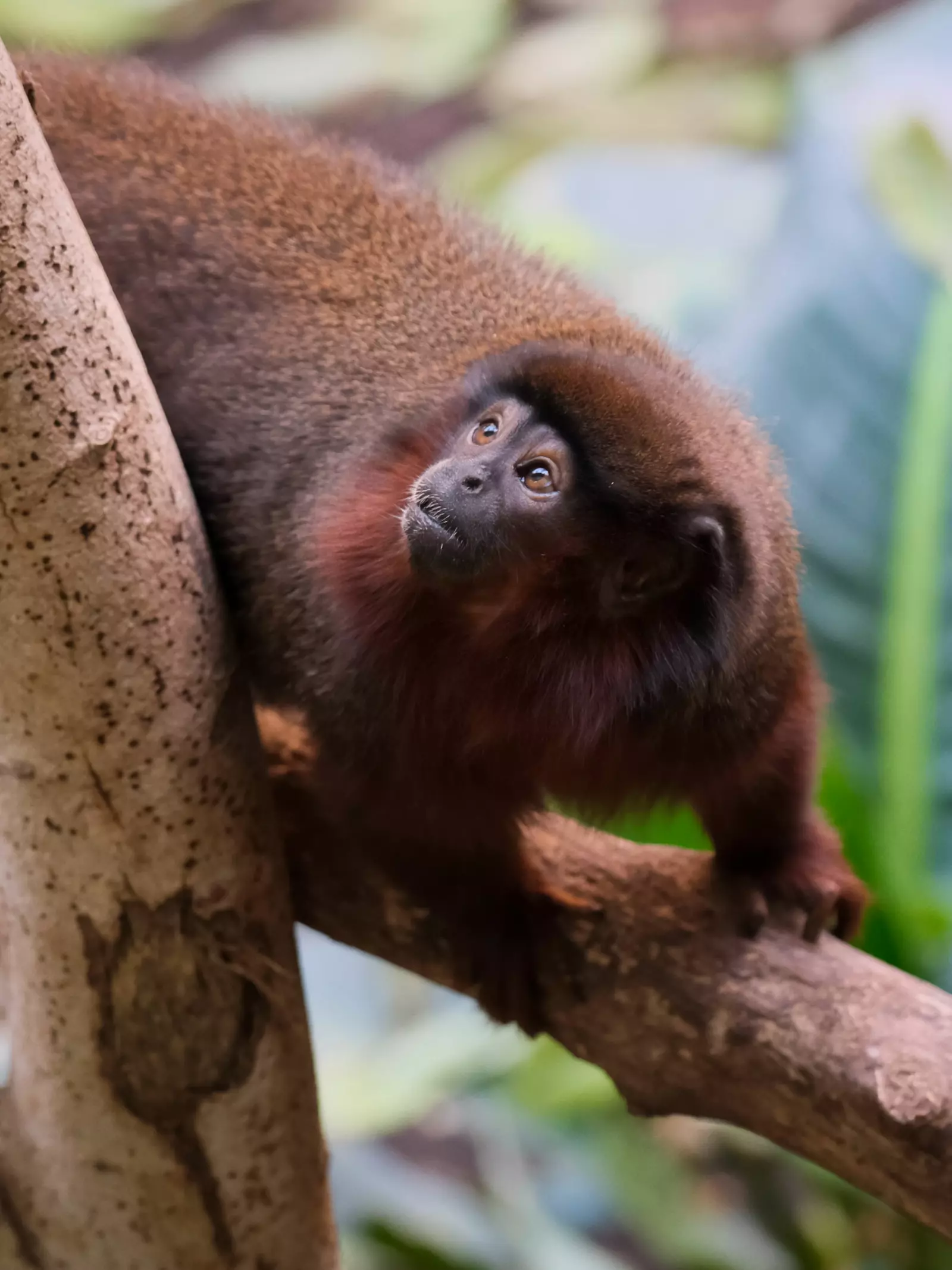
You might not expect to find silver and gold in the rainforest canopy, but at ZSL London Zoo precious silvery marmosets and endangered golden-headed lion tamarins live side by side in the uppermost branches of the forest, along with other monkeys, birds and giant rodents.

An exciting feature of Clore Rainforest Lookout is a central biome, which allows natural light to pour into the building. Visitors can walk around the hot and humid canopy environment and see the tamarins, marmosets, birds and agoutis roaming freely within, and see other South American rainforest species living in surrounding enclosures before descending to ground level to discover what dwells on the forest floor.

The exhibit has been part funded by a generous £1 million donation from the Clore Duffield Foundation. The Clore family has been a supporter of the Zoo for forty years, since the building of the original Charles Clore Pavilion for Mammals was made possible by the generosity of Sir Charles Clore in 1967.

Sloth
© ZSL
In the exhibit’s Discovery Zone supervised school groups and families can find out more about the animals and their unique rainforest habitat using hand puppets, puzzles and craft activities.

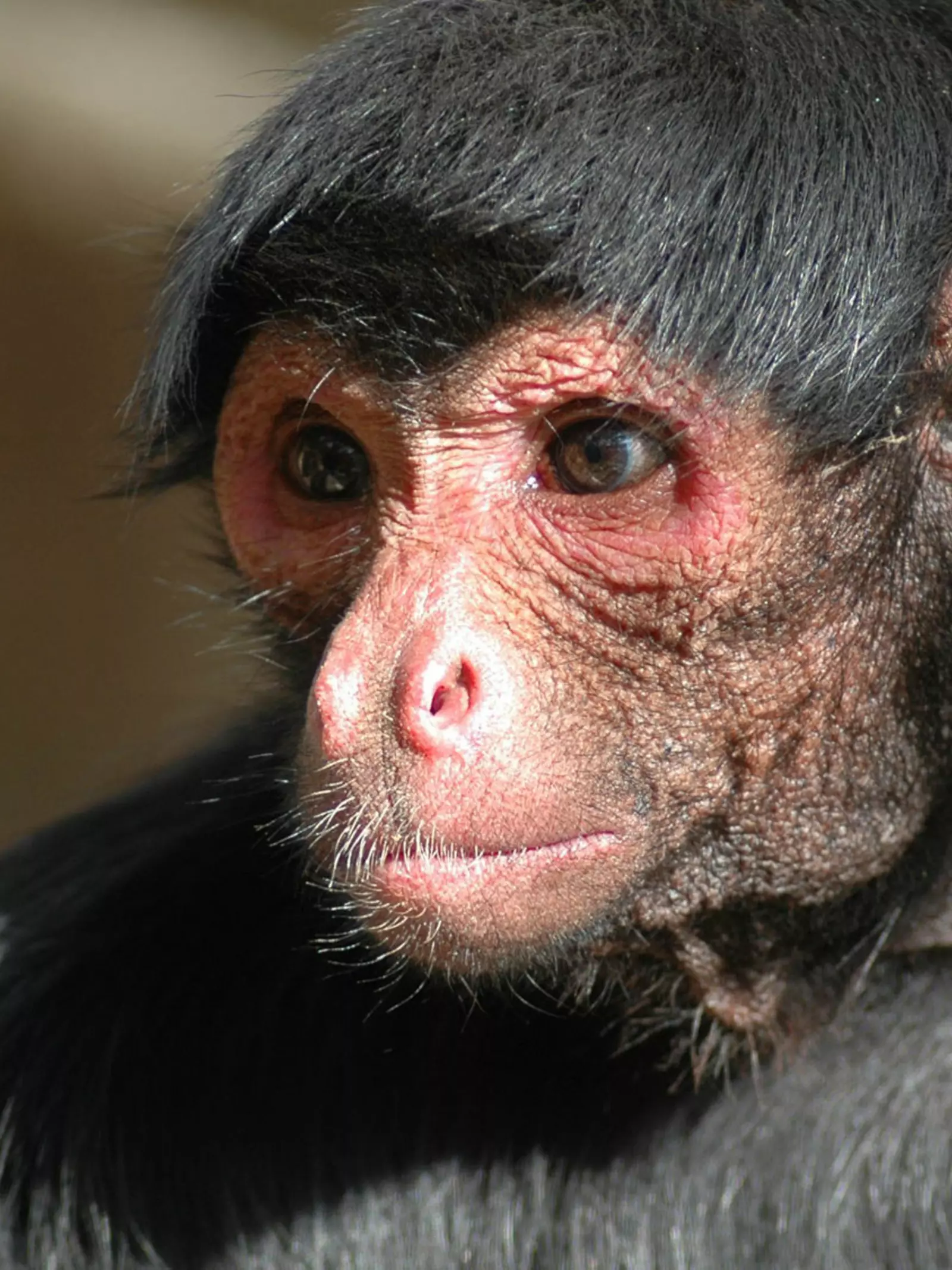
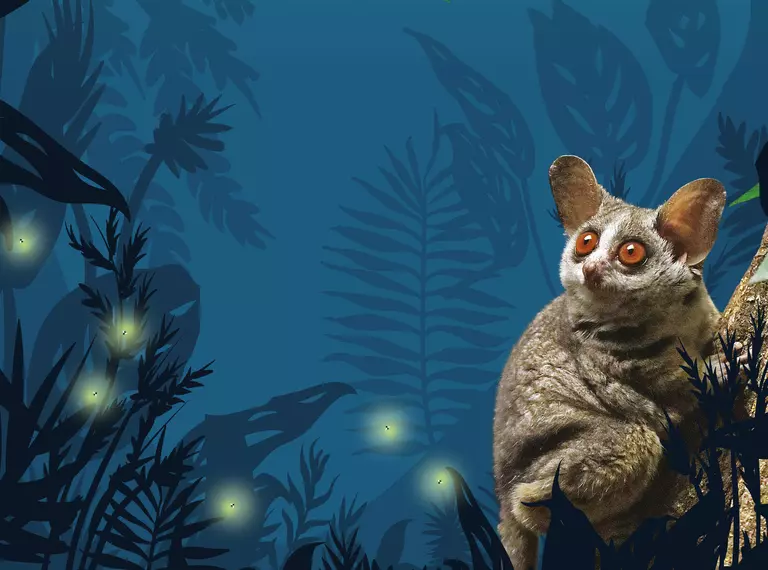
Other incredible species to see inside Clore Rainforest Lookout will be the endangered golden lion tamarins, Goeldi’s monkeys, Geoffroy’s marmosets, pottos, slow loris, slender loris, emperor tamarin, gentle lemurs and pygmy marmosets. A nocturnal area called the Nightzone allows visitors to see how the rainforest comes to life at night.