










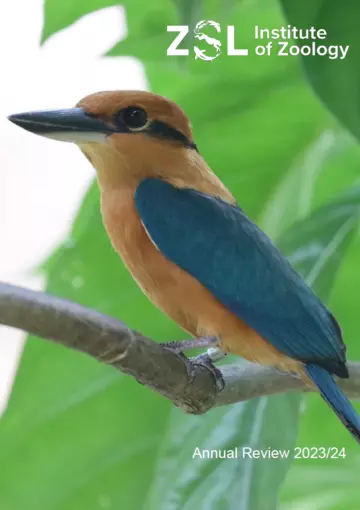
We’re leading the future of conservation and biodiversity science, shaping agendas and influencing change to support better life, health and living for people and wildlife.
At ZSL, we know that conservation works best when it's powered by science. We deepen our understanding of the natural world through science and use what we learn to identify and conserve the species at risk of extinction and get them on the road to recovery, protect and restore healthy ecosystems so people and wildlife can thrive together, and build the next generation of conservationists to drive natures recovery.
Learn more about ZSL's plans for supporting global conservation in our 2024-30 Strategy, Restoring Nature: A Blueprint for Wildlife Recovery. Download the documents below:
The Institute of Zoology
The Institute of Zoology (IoZ) is a world-leading research organisation, directly addressing global challenges in conservation science. The IoZ is the research division of the Zoological Society of London (ZSL), an international conservation NGO that houses living collections at two major zoos (ZSL London Zoo and ZSL Whipsnade Zoo), runs on-the-ground conservation programmes in >60 countries, and engages with policy makers and practitioners around the world. If you are an early career researcher thinking of applying for fellowships, you can find out more about being hosted by IoZ.
Our people
As part of ZSL’s global team, we are a community of internationally recognised researchers and students working in conservation science.
More on ZSL's Science and Research
- The research division of ZSL
Institute of Zoology
The Institute of Zoology is the research division of ZSL. A world-leading research organisation, addressing global challenges in the field of conservation science.
- Postgraduate Study
Postgraduate Study
Unique postgraduate teaching, research and training opportunities, helping to build the next generation of conservation science and practitioners.
- A unique opportunity to study in our conservation zoos
Zoological Research Opportunities
ZSL conducts, encourages and facilitates evidence-based scientific research to provide greater understanding of the lives of animals.
- Scientific publications
ZSL Publications
ZSL has published research in scientific journals, books and reports since 1830.
- Making a difference for wildlife
Projects
We work on conservation science projects across the globe, protecting critical species, restoring ecosystems and inspiring change.
- Search or library catalogue for artworks, journals and more
ZSL Library and Archives online catalogues
Use our catalogue to search for various artworks, journals, books and more.
ZSL Prince Philip Library and Archives
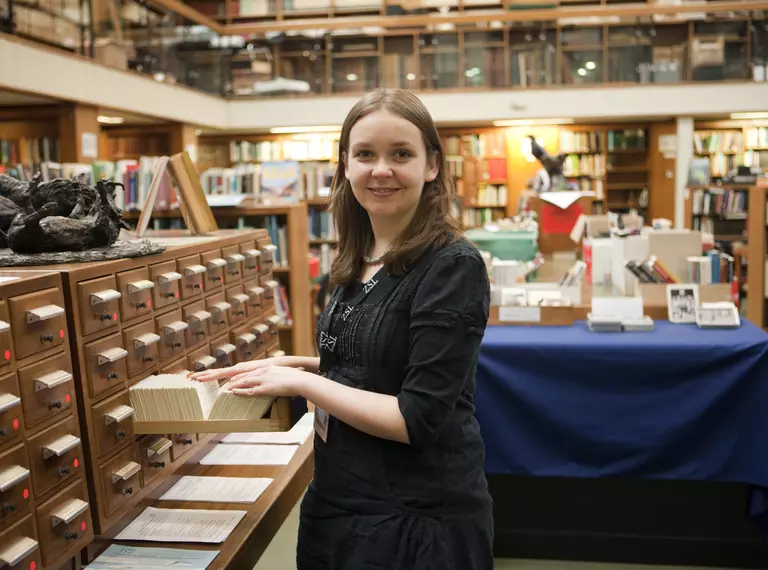
The Zoological Society of London was formed in 1826, and since that time we have maintained a world-leading library and archive which has helped generations of leading zoologists, scientists and conservationists understand the natural world. The ZSL Prince Philip Zoological Library and Archives contains over 200,000 volumes, 5,000 journals, illustrations and correspondence.
Find out more about our Library and Archives
Scientific events and public engagement
Communicating science is an important part of our work. We are in a unique position to engage with over 1.7 million people visiting ZSL’s Zoos annually. Our public engagement activities help us to understand how people relate to the ways in which science can provide solutions to global environmental challenges.
We inspire and inform people about wildlife and its conservation. Engaging members of the public from all areas, including those from underserved and underrepresented communities, is vital to communicating our work. Public engagement projects include Refugia, Scientist in Your Classroom and Soapbox Science.
View our past and upcoming events
Our Annual Reports
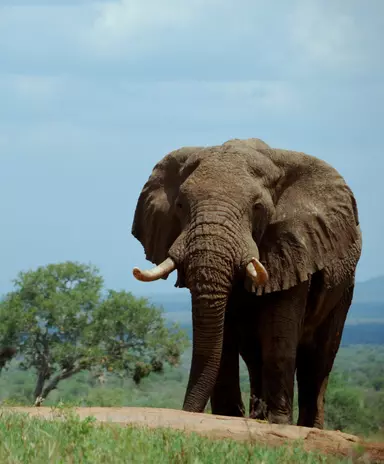
Climate Change and Conservation
The climate crisis is pushing our planet to its limit, but together we have the power to make a difference.