






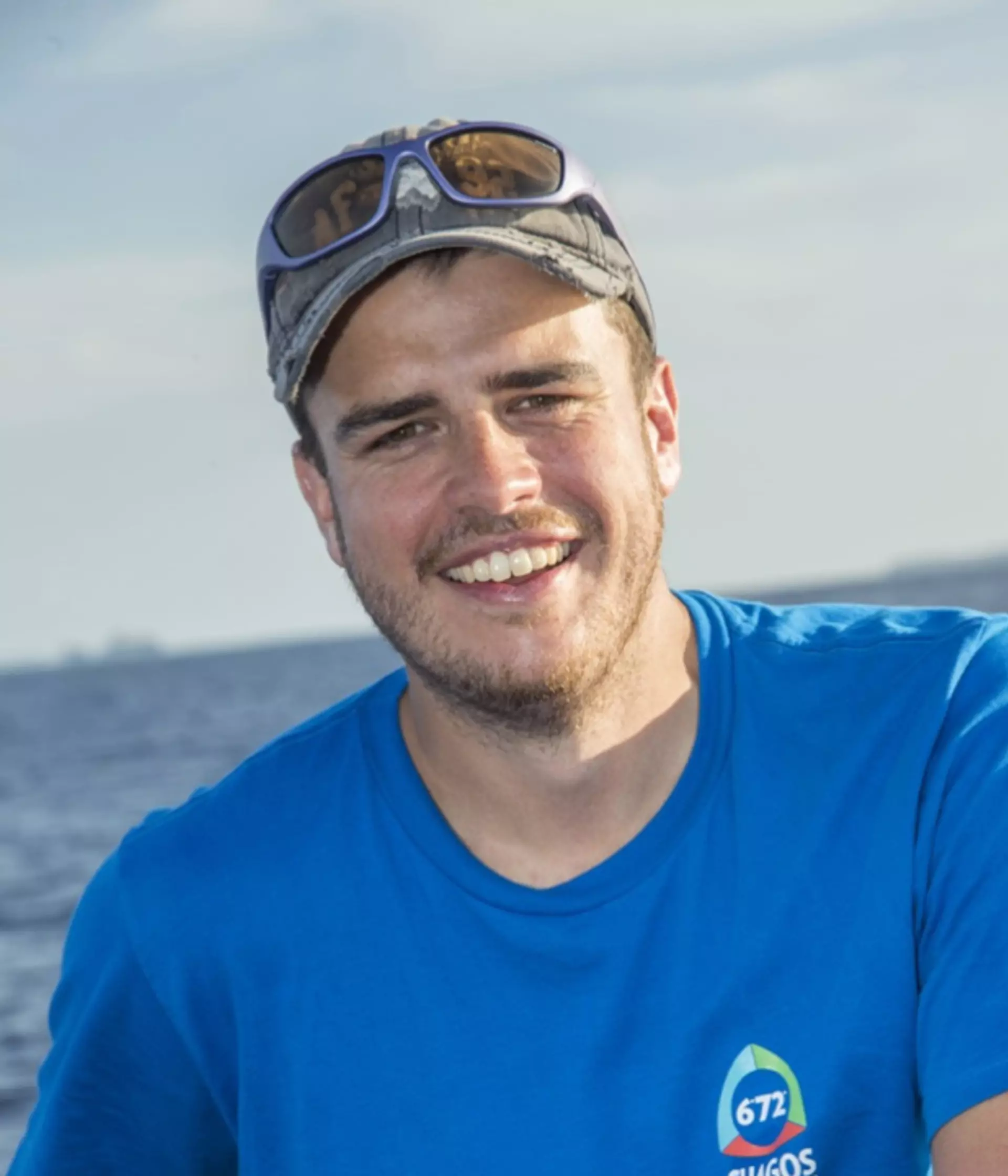
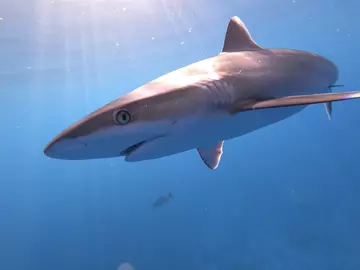
Despite being ecologically, economically and culturally significant, many marine predators are threatened, from both legal and illegal exploitation, but also from the increasing impacts of climate change.
David's research seeks to understand the impact of anthropogenic actions on the health, behaviour and distribution of marine predators and assess the subsequent implications for ecosystem health and management effectiveness. David aims to conduct innovative and impactful research through a multi-disciplinary approach including the application of telemetry tagging, remote sensing, chemical tracers and fisheries analyses. David is a strong advocate of stakeholder engagement and strives to ensure that his research translates into management and policy action.
David's vision is a world where marine predators thrive and the livelihoods and cultures that depend upon them, become secure.
David leads the Ocean Predator Lab (OPL) at the Institute of Zoology. The OPL is a multidisciplinary and collaborative research group aiming to provide the scientific evidence needed to inform the management of our ocean's predators. We strive to be an inclusive, supportive and productive working environment, focussing on the professional and personal development of our staff and students.
Professional history
- 2026 - present: Senior Research Fellow, Institute of Zoology, ZSL, UK
- 2024 - present: Honorary Senior Lecturer, University of Exeter, UK
- 2023 - present: Associate Editor, Journal of Remote Sensing in Ecology and Conservation
- 2016 - present: Honorary Research Associate, UCL
- 2013 - present: Visiting Lecturer, Royal Veterinary College, UK
- 2013 - present: Member, IUCN Mangrove Specialist Group Secretariat
- 2022 - 2026: Research Fellow, Institute of Zoology, ZSL, UK
- 2013 - 2022: Committee Member, Reef Conservation UK, UK
- 2019 - 2021: Bertarelli Programme in Marine Science Research Fellow, Institute of Zoology, ZSL, UK
- 2016 - 2019: Postdoctoral Researcher, Institute of Zoology, ZSL
- 2013 - 2016: PhD Candidate, UCL, UK
- 2009 - 2013: Marine and Freshwater Programme Coordinator, Conservation Programmes, ZSL, UK
- 2009 - 2009: General Marine Scientist, Operation Wallacea, Indonesia
- 2008 - 2009: MSc. Marine Biology, Coral Reef Research Unit, University of Essex, UK
- 2005 - 2008: BSc Marine and Freshwater Biology (Hons), University of Essex, UK