








ZSL
Zoological Society of London
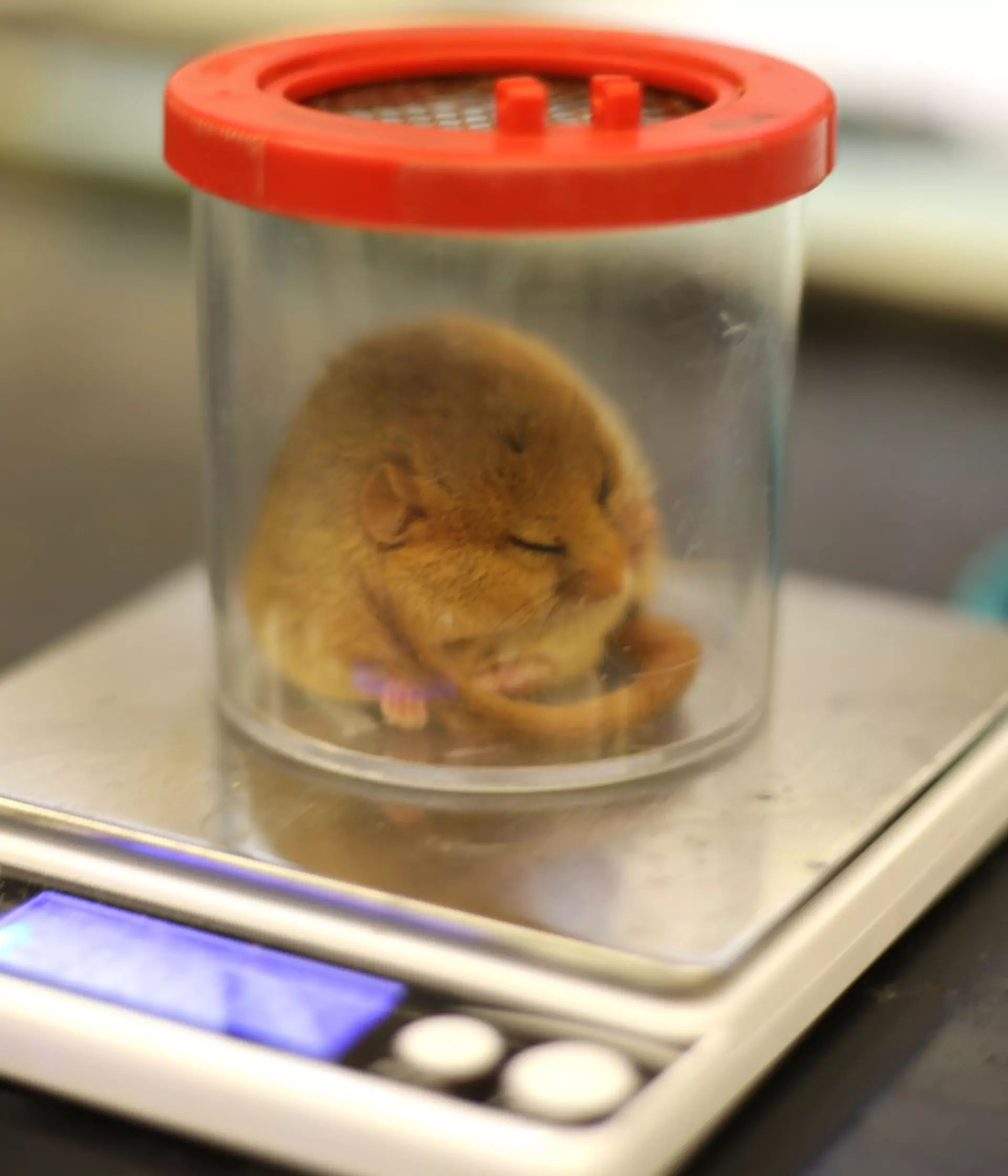
Led by specialist wildlife vets from ZSL’s Disease Risk Analysis and Health Surveillance Team (DRAHS) based at the Institute of Zoology (IOZ) inside London Zoo, the check-ups will make sure that they are fit, healthy and ready to be released in a secret woodland location in the north of England next month.
Each dormouse had their eyes, nose, ears and mouth checked. Their heart and lungs were also examined using a stethoscope, and abdomen and limbs gently examined by hand, all while under a general anaesthetic. Each dormouse also had a tiny microchip placed under the skin between the shoulder blades so that individuals could be identified after release into the wild during population monitoring.
Once common across the UK, hazel dormice are now considered rare and at risk of extinction due to woodland habitat loss and mismanagement. However, since 1993 a group of conservation organisations led by wildlife charity People’s Trust for Endangered Species (PTES) and including ZSL, have successfully reintroduced over 1,000 dormice in 13 different counties across the UK, in an attempt to reverse the ongoing decline. These annual reintroductions are part of Natural England’s Species Recovery Programme and involve a unique partnership of organisations who each play a key role.
ZSL's work monitoring red kite health
The project is celebrated across the conservation field as a ‘gold standard’ example of a wildlife translocation done well. The DRAHS team play a key role assisting with planning, thorough pre-release health assessments and post-release population monitoring which helps to ensure the best chance of survival for these tiny individual rodents and the health of the wildlife already living in the woodlands.
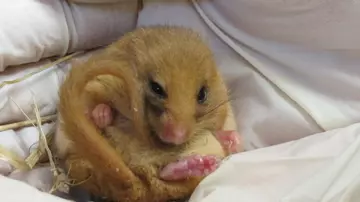
DRAHS wildlife veterinary surgeon, Dr Tammy Shadbolt said: “Dormice are celebrated as one of the most successfully reintroduced species here in the UK thanks to dedicated conservation efforts, collaboration between multiple partners, thorough disease risk management and long-term post-release health surveillance.”
The veterinary health examinations undertaken provide the dormice with the best chance of survival after release and helps mitigate against the introduction of non-native parasites which might cause disease and impact free-living populations.
Tammy added: “It is important to guard against non-native parasite incursions for example, because they have the potential to cause catastrophic disease and extinctions of native species. A prime case being the red squirrel declines in the UK due to inadvertently introduced squirrel pox virus.”
ZSL's work protecting hedgehogs
Georgina Gerard, DRAHS wildlife health technician added: “Year after year a network of local volunteers continue to monitor these little guys at each site where they have been released and find so many flourishing in their new environment. We hope to continue this work for many years to come, helping to bring the hazel dormouse back from the brink and inspiring other conservation projects with this blueprint.”
After veterinary health examinations are completed, the dormice will be released by PTES, ZSL and partners at an undisclosed woodland, next month in June.
Together with Natural England we are leading cutting-edge scientific research on animal health and disease, to support life everywhere.