






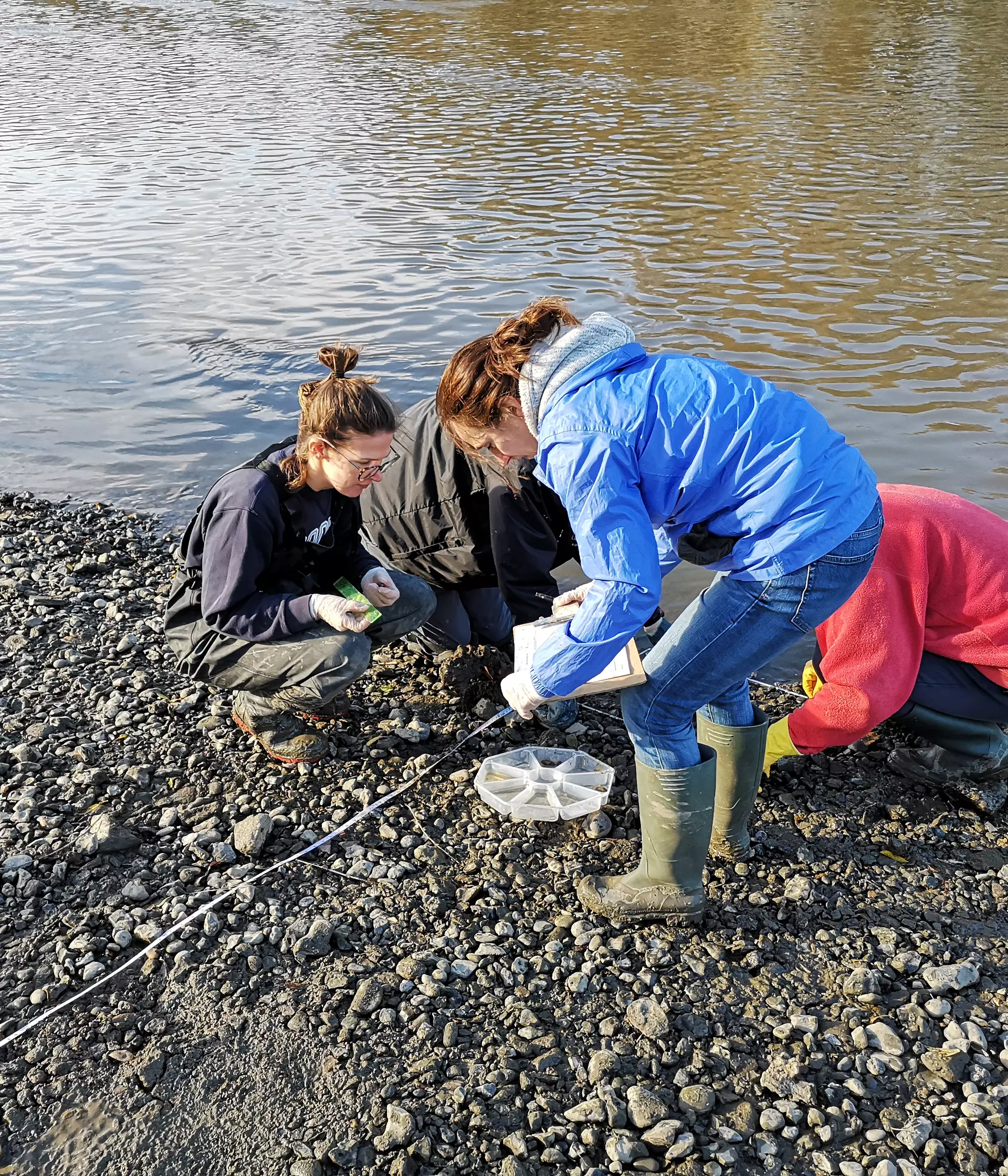
At ZSL we work tirelessly with partners and volunteers in the Thames estuary and the wider river catchment to protect and better understand the species that are found here, including invasive non-native species (INNS).
Why are there invasive species in the Thames?
The River Thames is particularly vulnerable to introductions of invasive non-native species (INNS) due to the dense human population and high level of marine traffic, and is now one of the most heavily invaded river systems in the world. Invasive species arrive in British waters via several means:
- Ballast water. Ships takes up ballast water in order to increase stability when crossing the open seas. This water can contain the larvae of local plant and animal species. When the ship reaches its destination in a foreign country, these plant and animal larvae are expelled from the ships’ tanks along with the ballast water.
- Biofouling: Adult species attach onto the hulls of ships in a process known as ‘biofouling’.
- Trade in the aquaculture industry has also resulted in the importation of foreign species.
With suitable environmental conditions these species can colonise new waters. In the absence of predators, parasites or competition, populations of invasive species can rapidly multiply, exhausting resources used by native species or severely degrading their habitats.
How is ZSL monitoring invasive species in the Thames?
Since 2006, ZSL has been monitoring invasive species in the Thames as part of a long-term collaborative project. We want to know if any new species arrive in the river and how these new arrivals interact with the native species.
Richmond river bed survey
Every year in November, the weir at Richmond Lock was lifted to allow a portion of the river to drain naturally at low tide. We used this opportunity to scout the river bed for any species that are not native to this country's waterways. During the 2014 survey, the invasive quagga mussel (Dreissena rostiformis bugensis) was identified for the first time. This part of the river is home to populations of rare freshwater mussel, so it’s especially concerning that the quagga’s arrival will add to the pressures that threaten their future.
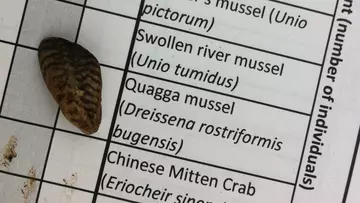
Freshwater Mussel Surveys in the Upper Tidal Thames
In response to the threats from INNS, the EU Invasive Alien Species (IAS) Regulation (1143/2014) came into force in January 2015. It details restrictions on the import, growth, sale, use and release of species considered to be of Union-wide concern. Following this, DEFRA published an updated Great Britain INNS Strategy (2015) which includes objectives for prevention, monitoring and management of INNS. The DEFRA Strategy also emphasises the need for coordinated management on a national and regional scale, which is supported by partnerships such as the London Invasive Species Initiative (LISI). ZSL’s freshwater bivalve survey in the upper Tidal Thames contributes towards the monitoring objectives of national and regional strategies including the DEFRA Strategy and the London Invasive Species Plan prepared by LISI.
People and partners
ZSL's Anna Cucknell, Joe Pecorelli and Thea Cox work on Thames projects in partnership with the Thames Landscape Strategy.
Key species
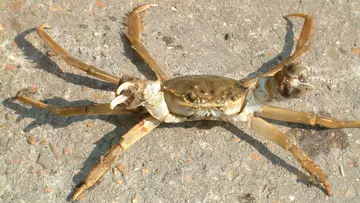
- Chinese mitten crab (Eriocheir sinensis)
- Asian clam (Corbicula fluminea)
- Zebra mussel (Dreissena polymorpha)
- Quagga mussel (Dreissena rostiformis bugensis)
Thames conservation
Our Thames invasive species project is just one of the ways we’re working to conserve wildlife in the UK.