
Native wildlife conservation
Over the last few centuries the landscape of the UK and much of mainland Europe has altered dramatically.
In the UK over the last 50 years over 38 million birds have disappeared from our skies, 97% of our wildlife meadows have disappeared and one quarter of all our native mammals are now at risk of extinction.
Time is running out, but we have the solutions. Our work restoring ecosystems and protecting species is making a difference, together we've helped reintroduce over a thousand dormice back into the UK, led citizen science campaigns to help save European eels, and used our conservation zoos to boost corncrake populations.
Our world-leading scientific work on protecting wildlife health has helped bring our native pool frog back to Britain and help continue the recovery of red kites, one of the biggest wildlife conservation success stories ever.
Native wildlife can recover, it just needs our help.
Identifying species most at risk
Angelshark
Critically Endangered (CR)Tope
Critically Endangered (CR)Spurdog
Vulnerable (VU)Common stingray
Vulnerable (VU)Starry smoothhound
Near Threatened (NT)Hedgehogs
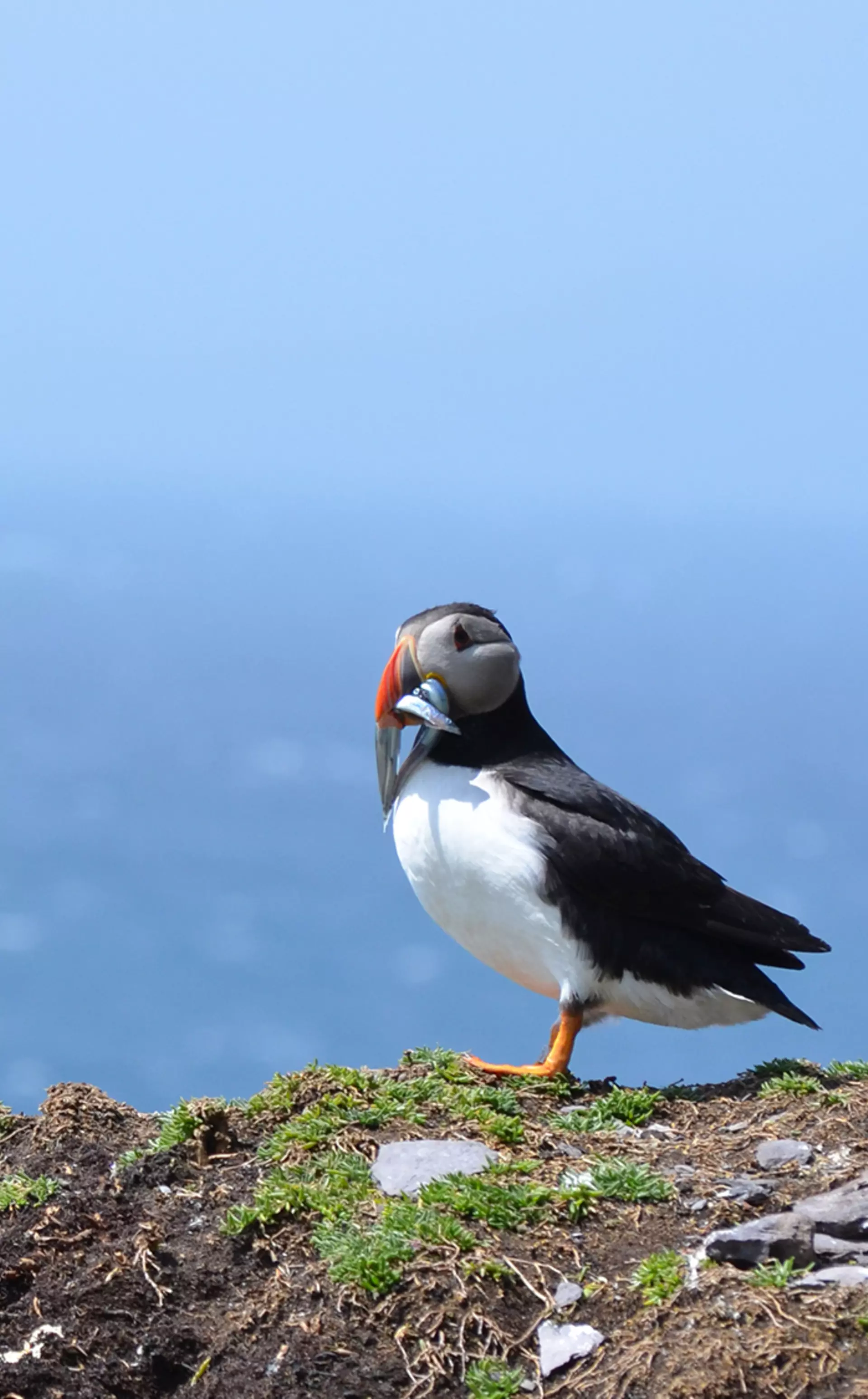
Least Concern (LC)Puffin
Vulnerable (VU)Olm
Vulnerable (VU)European eel
Critically Endangered (CR)Hazel dormouse
Least Concern (LC)Native oysters
Data Deficient (DD)Corncrake
Least Concern (LC)Red kite
Least Concern (LC)
Protecting native wildilfe

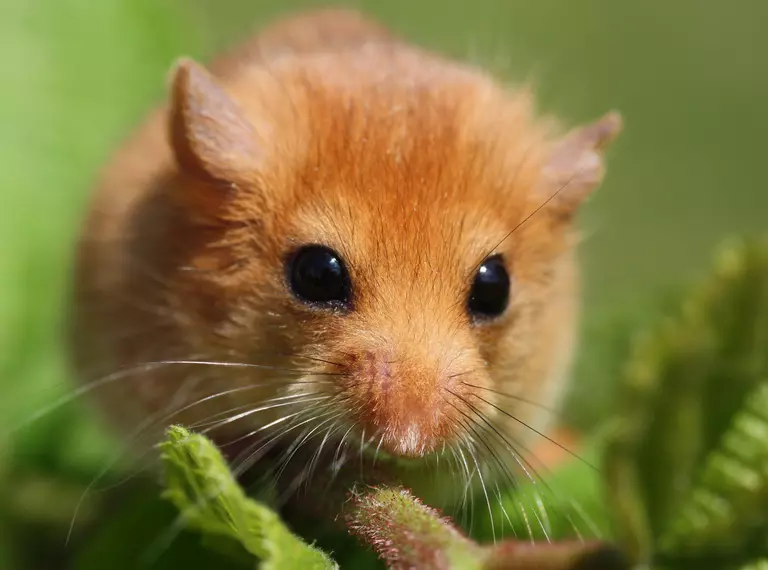
Hazel dormouse
By working together with our conservation partners, we've managed to successfully reintroduce over 1,000 dormice
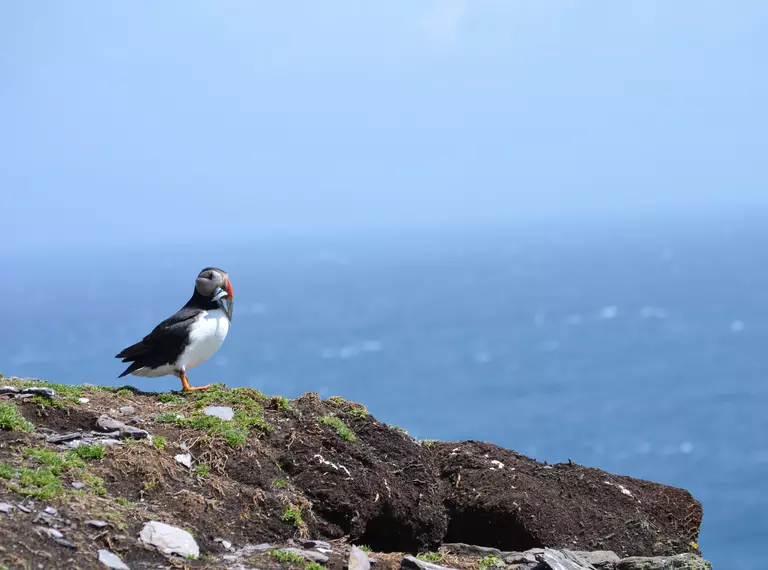
Conserving native birds
Protecting British biodiversity, from the seas to farmland.
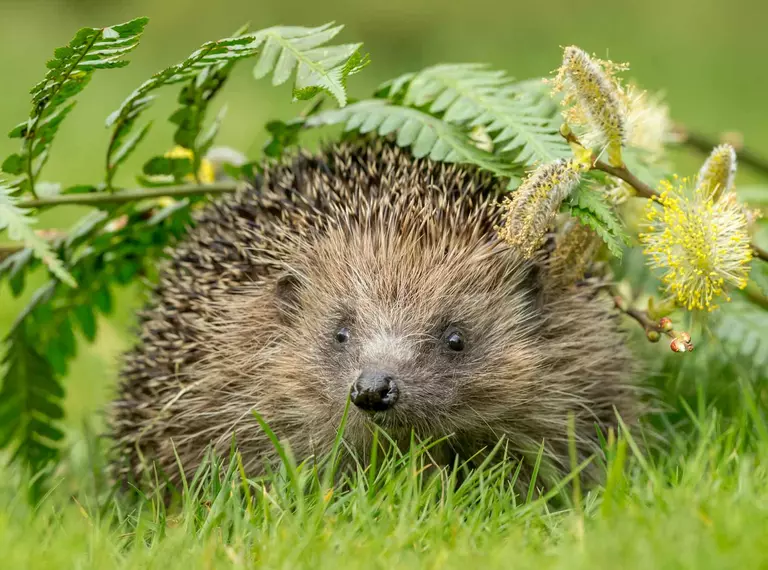
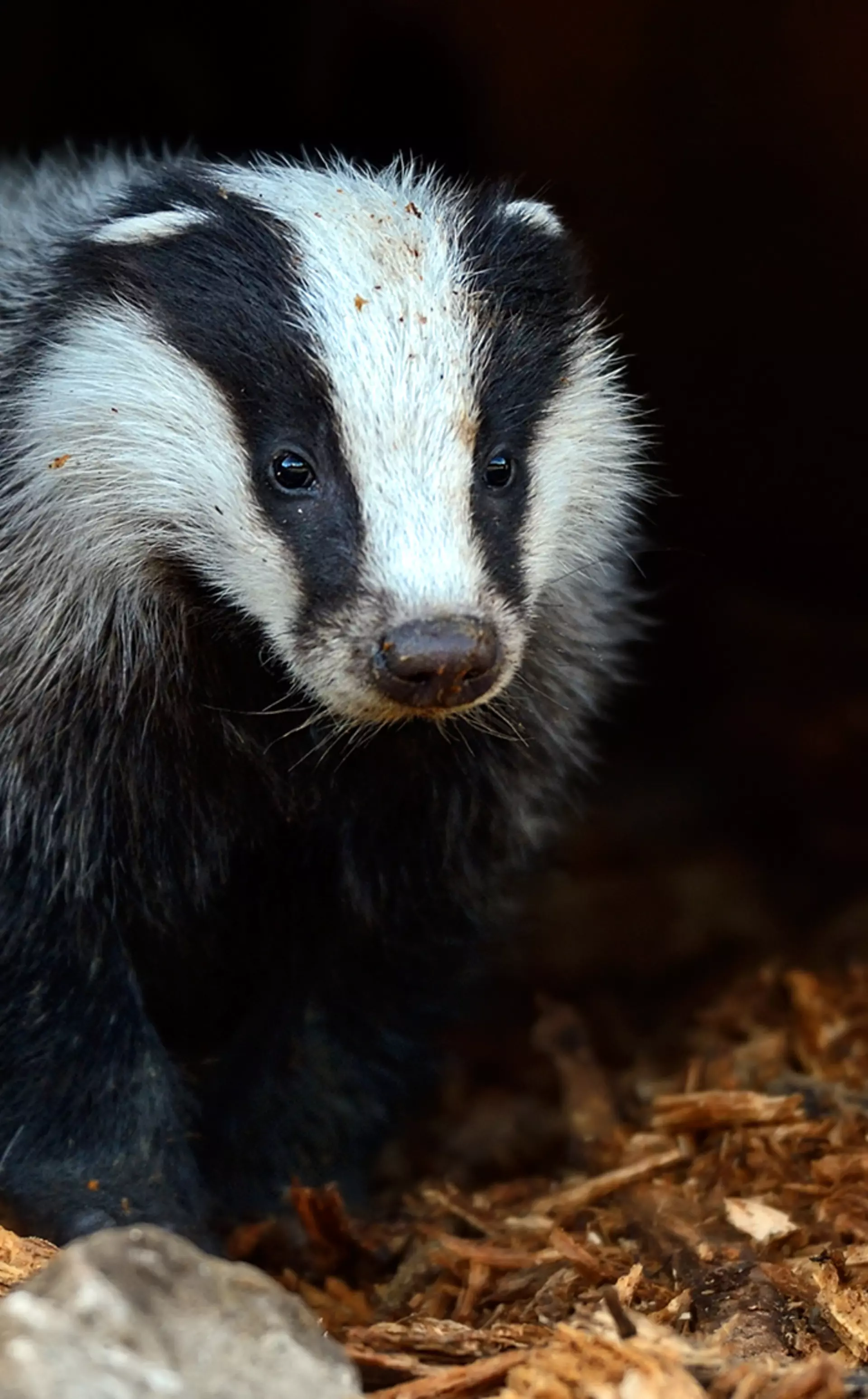
London HogWatch
London HogWatch identifies hedgehog populations in greater London to promote conservation strategies for their protection, connection and expansion.
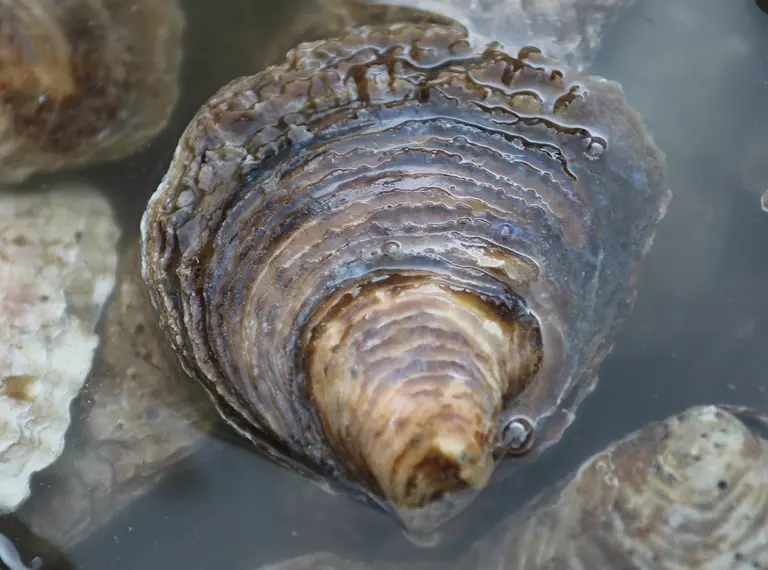
Native oysters restored to UK waters
Restoration efforts begin by placing ‘ocean superheroes’ under marina pontoons across the UK
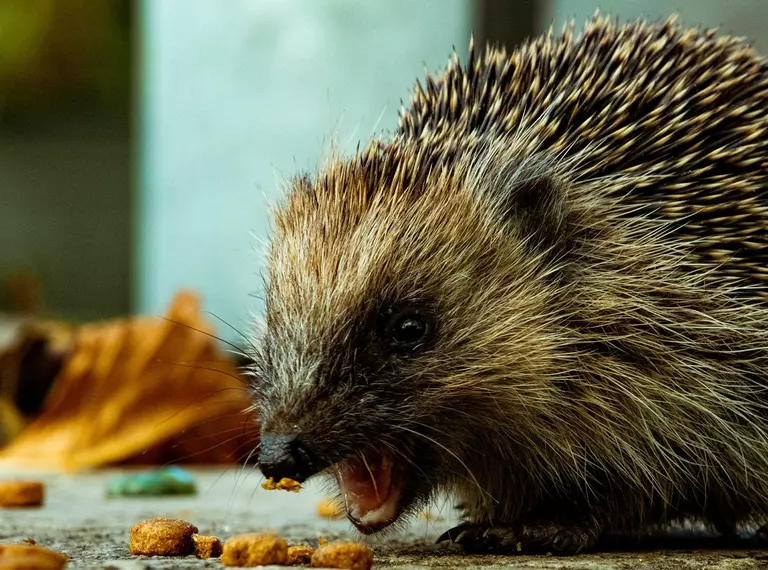
Suburban gardens, parks and allotments key for hedgehogs’ survival in Greater London
Together we help protect hedgehogs by making changes to our local green space.
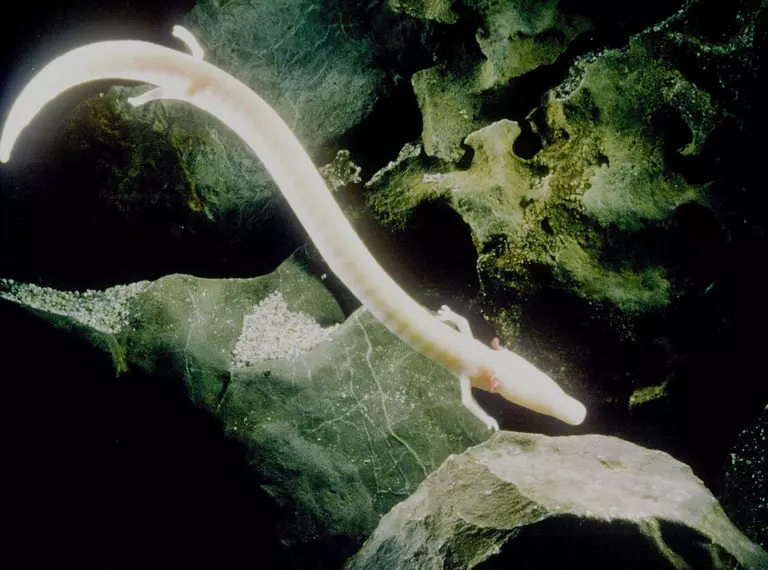
Olm
Olms can live up to 10 years without food and are re adapted to living in total darkness.
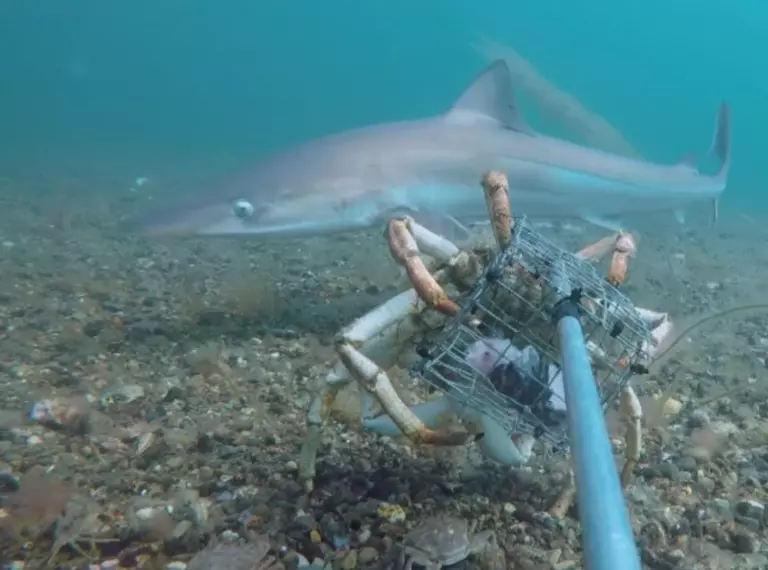
Project SIARC
We’re working at the cutting edge of conservation to protect angel sharks and create practical routes to their recovery.
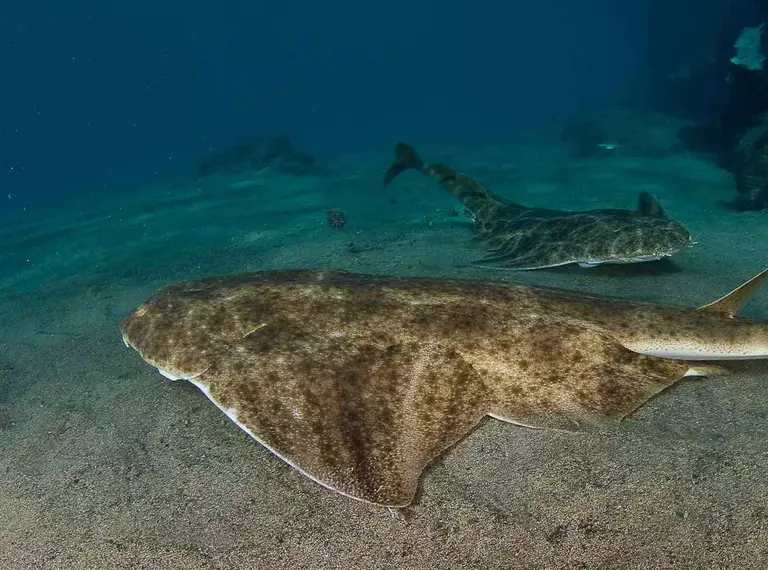
Angel Shark Conservation
We’re working at the cutting edge of conservation to protect angel sharks and create practical routes to their recovery.
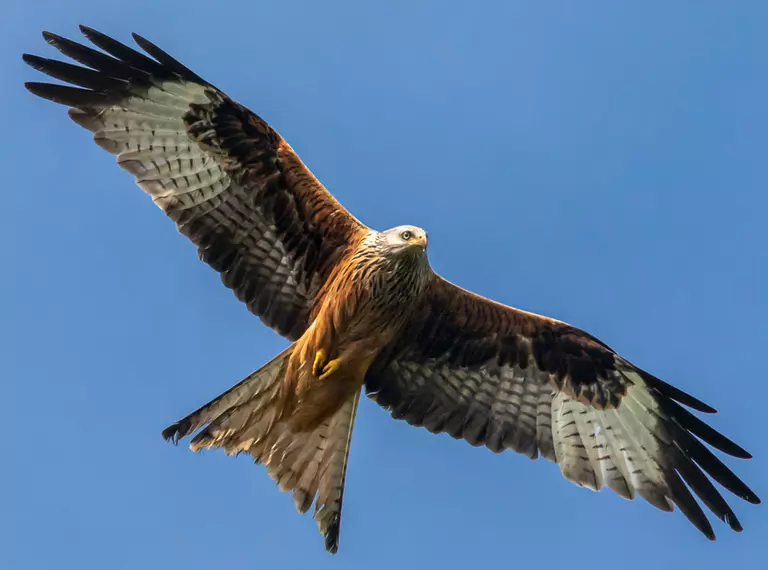
Red kite conservation
We are protecting red kites to ensure their numbers never crash again, by providing expert health surveillance and supporting reintroductions.
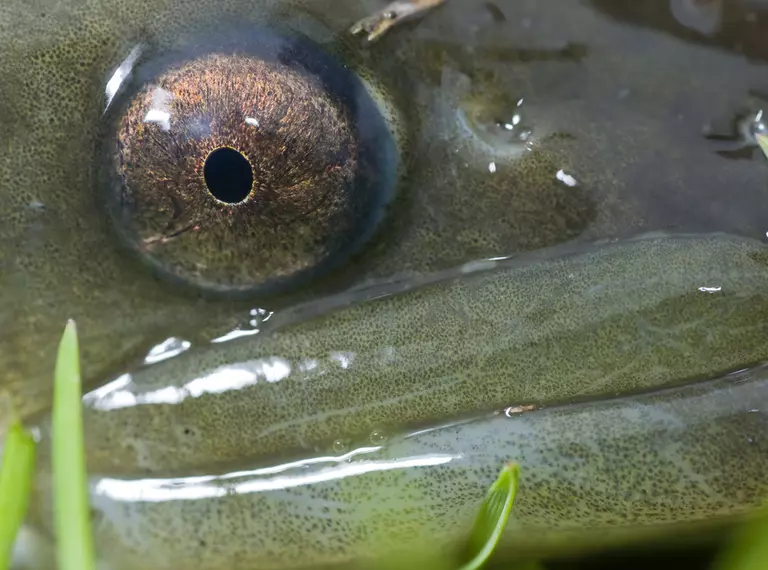
European eel conservation
European eels once thrived in London’s rivers but the number of young joining the adult populations has dropped dramatically since the 1980s.
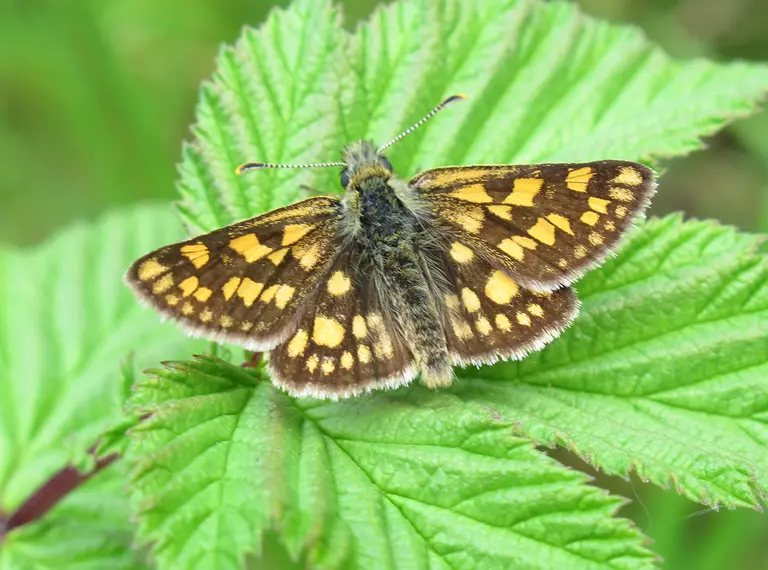
Bringing back the Chequered skipper butterfly to English woodlands
Post-release monitoring of the conservation work has provided evidence that the newly established populations are thriving once again in English woodlands.
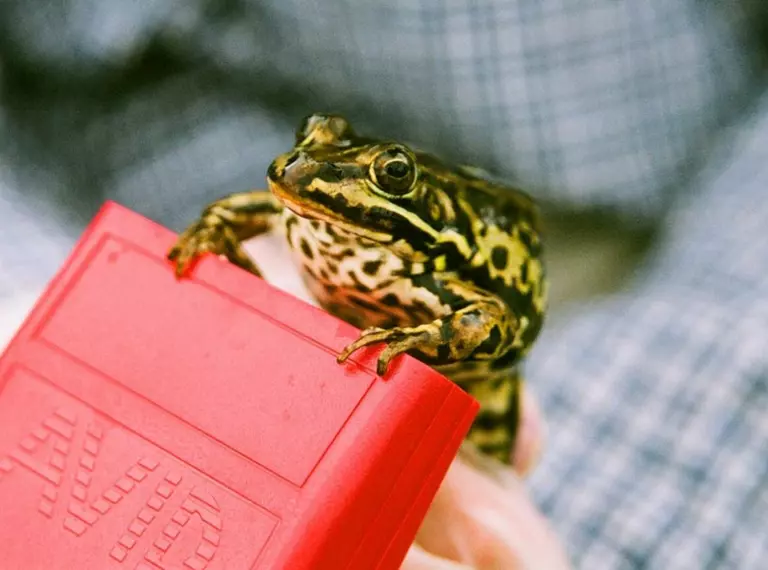
Bringing back the pool frog to Britain
Historically, the pool frog was present in Britain, but following loss and damage to their habitats the species went extinct and the last native population of pool frogs, in Norfolk, was lost.