






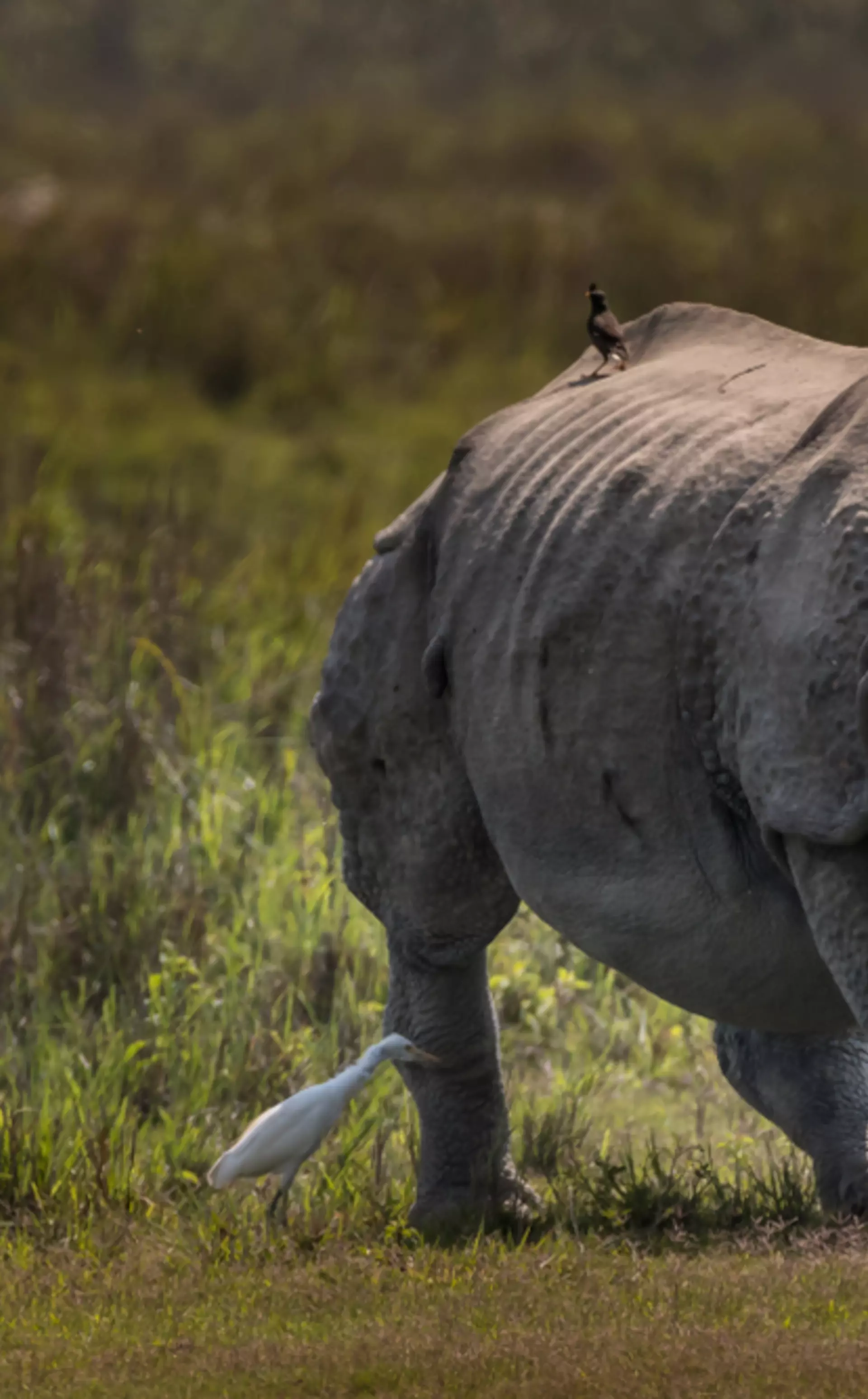
The greater one-horned rhino is restricted to less than a dozen protected areas, scattered across north and north-eastern India and southern Nepal. Poaching and the loss of their grassland and wetland habitat have left just 3,700 rhinos alive today.
Restoring greater one-horned rhino
Why are greater one-horned rhinos threatened?
Poaching of greater one-horned rhinos for horns to sell on the international market as a bogus ‘miracle cure’ is an ongoing threat to this magnificent species. Their horns are very valuable on the black market, despite being much smaller than African rhino horns, and despite bans on trade by the Nepali and Indian governments and globally by CITES (the international treaty aiming to protect species by regulating trade).
The lowland grasslands, swamps and meadows favoured by rhinos also represent prime grazing for cattle and very fertile cultivable land. This has caused their habitat to become densely populated by people.

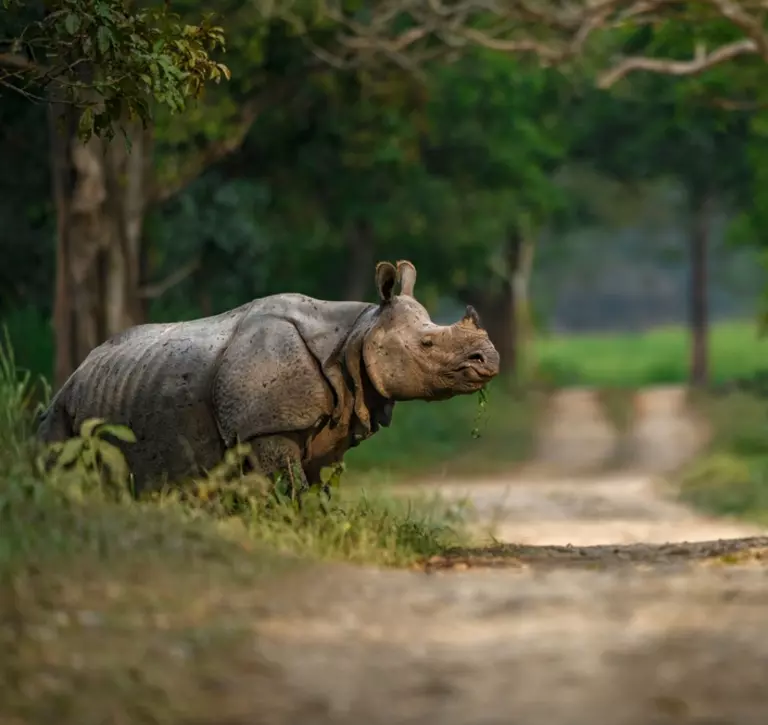

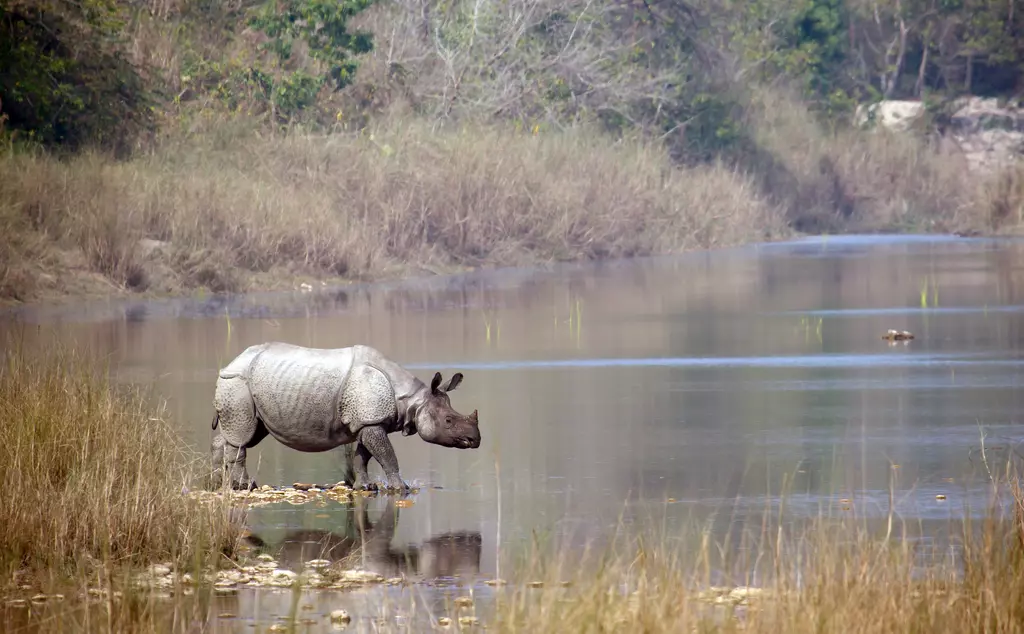
Greater one-horned rhino
Stopping rhino poaching in Nepal
Together with local communities and our partners, we have established anti-poaching patrols which are key to recovering numbers in Nepal. We are successfully keeping poaching under control, and in 2021 recorded the largest numbers of rhinos since the 1960s. This has created a foundation for the slow and steady recovery of their population in Nepal, helping achieve a 17% increase over the last few years.
We’ve worked in Chitwan National Park in Nepal for over twenty-five years. By working together with the Nepali government, local communities, and our partners, we have established effective anti-poaching patrols which are crucial to providing regular updates on the population health. Our Nepal team coordinates with CNP and Parsa National Park (PNP) to gather intelligence to stay one-step ahead of poachers. This work is pro-actively preventing poaching and has been central to recovering rhino numbers. We have developed strong relationships with government organisations and conservation partners, to build a strong united resistance to poaching which is highly effective in protecting rhinos.
Our long journey of recovery with them has been so successful they are able to translocate rhino’s, to build similar projects elsewhere. We have provided our support to Nepal’s government to translocate rhinos from Chitwan National Park to boost populations in Bardia and Shuklaphanta national parks to create more healthy rhino populations.
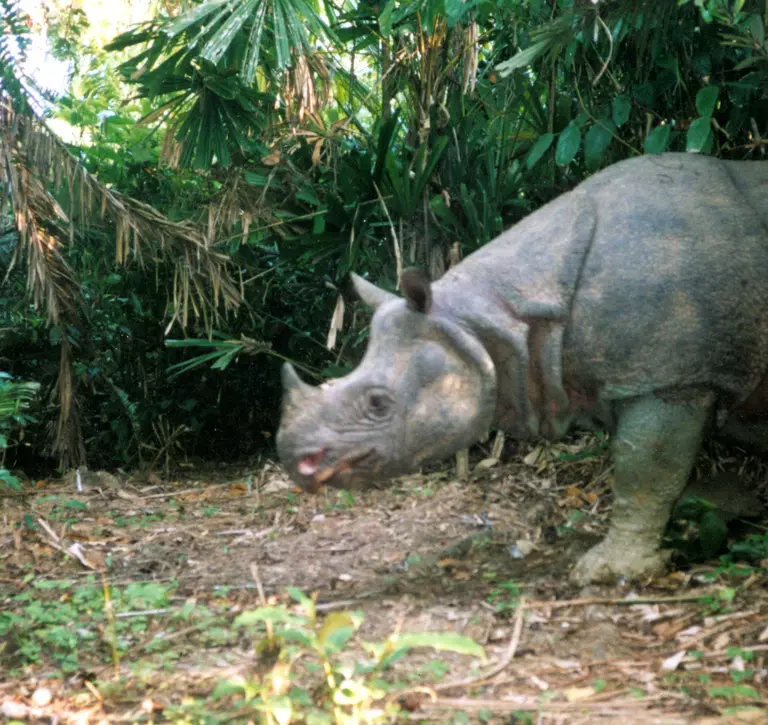
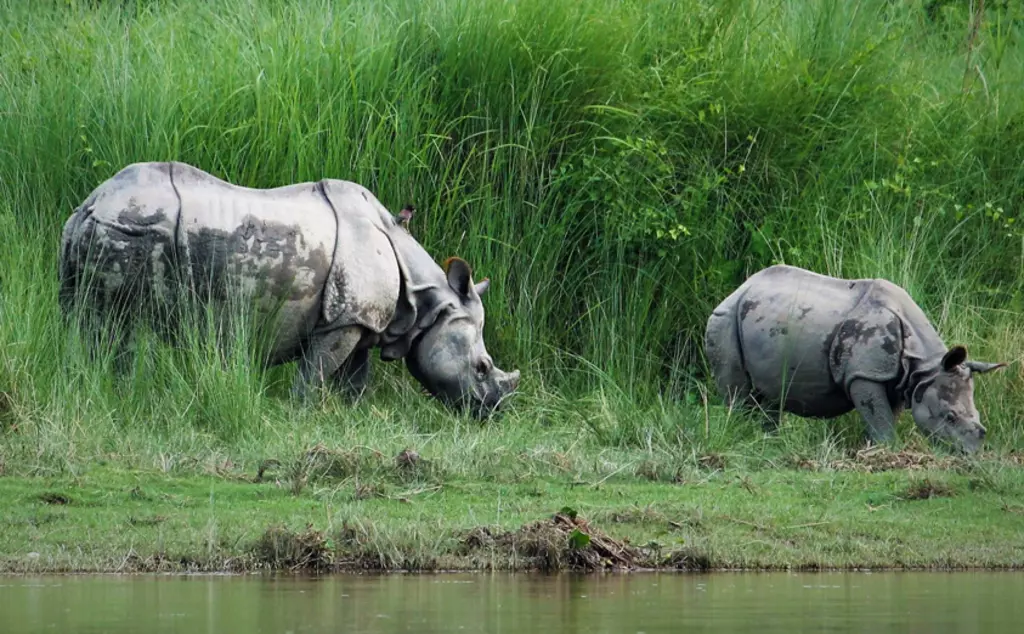
Protecting Nepal’s rhinos
When nature loses, we all do. That’s why we’ve introduced innovative solutions to make life better for both people and rhinos. People rely on livestock to survive, but competition with endangered rhinos for grazing doesn’t help anyone. Overgrazing can damage habitats, increase risk of disease transmission between animals and exacerbate poverty.
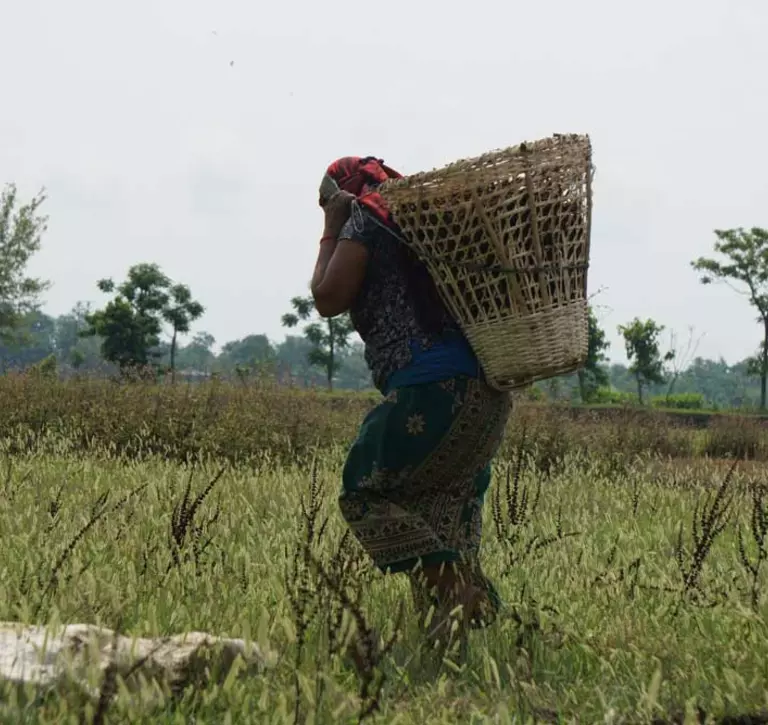
We’ve collaborated with local farmers to ensure their yields are strong, which also has the benefit of protecting rhinos. We supported farmers to raise productive breeds of cattle, provided access to veterinary services, and taught sustainable grazing practices. We’ve set-up women-led cooperatives which are empowering communities to build happier lives, though providing savings, loans and better livestock.
This has created a big boost for rhinos as well as people. The new healthy grassland is helping restore Chitwan’s rhino population and has even made the area a suitable choice for rhino translocation projects. While over in Suklaphanta 60km2 of farmland is now being managed sustainably, illegal grazing has dropped by 30% and there are no longer any wildlife disease outbreaks since the veterinary clinics were introduced.
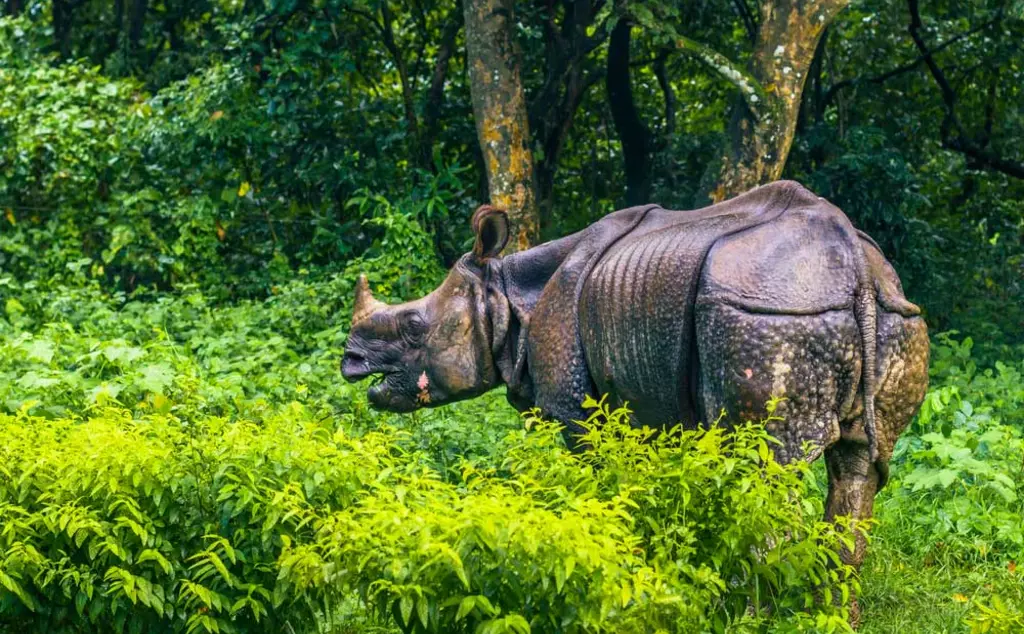
The path to rhino conservation success
The establishment of protected areas and park protection support from the Nepal Army from the 1970’s was highly effective in saving the last remaining rhinos. However, due to political instability and insurgency in the country between 1996 – 2006, armed patrols became less common and poaching slowly increased. The peace accord in 2006 helped restore regular patrols and surveillance to prevent poaching incidents and safeguard this iconic species.
Greater one-horned rhino project
Key species living alongside greater one-horned rhino
Bengal tiger (Panthera tigris), endangered
Greater one-horned rhinoceros (Rhinoceros unicornis), vulnerable
Asian elephant (Elephas maximus), endangered
Bengal florican (Houbaropsis bengalensis), critically endangered
Hodgson’s bushchat (Saxicola insignis), vulnerable
Swamp deer (Rucervus duvaucelii), vulnerable
People involved
Dr Hem Sagar Baral, Country Director and Dr Bhagawan Raj Dahal, Deputy Country Director are managing Nepal’s overall projects.
Greater one-horned rhino conservation partners and sponsors
The Department of National Parks and Wildlife Conservation
The National Trust for Nature Conservation
Himalayan Nature
Mithila Wildlife Trust
Community groups under the national parks' Buffer Zone User Committees
The UK Trust for Nature Conservation in Nepal funded anti-poaching and livelihoods work in Chitwan and Bardia National Parks
The UK Darwin Initiative funded the livelihoods work in Suklaphanta National Park
As the original science-led conservation organisation, we’re driving forward a journey of recovery for the planet, to restore the wonder and diversity of life everywhere. From rhinos or dormice, we are always there for nature. Join us on our journey to build a more balanced and connected world.