



Marine wildlife conservation
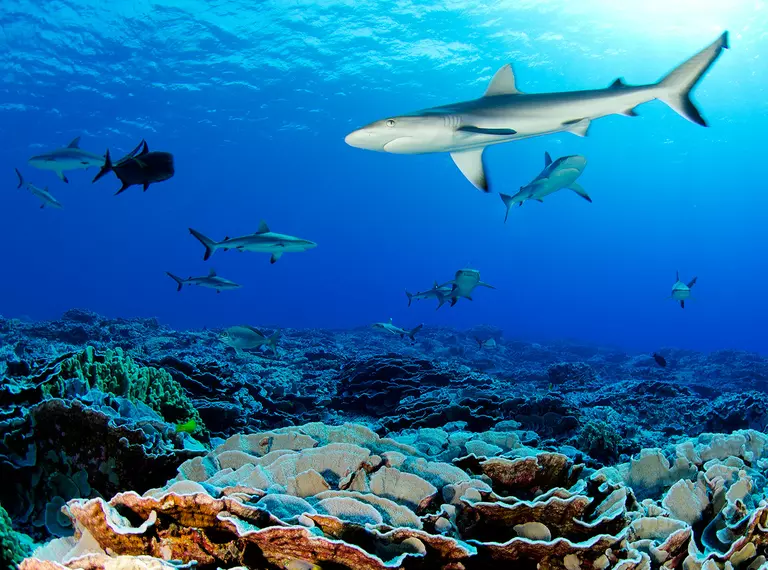
Aquatic ecosystems cover around 71 per cent of the earth’s surface and are essential for supporting life on our planet. Over half of coral reefs have already been lost, and more than 90% are expected to die by 2050.
They play a vital role in climate regulation and nutrient cycling, and we are fundamentally dependent on them for drinking water and for food. Despite this, aquatic habitats are less understood than their terrestrial counterparts and are faced with increasing threats.
We recognise the importance of improving the management and sustainable use of aquatic resources, and has developed a programme of marine and freshwater conservation. By collaborating with communities around the world we protect and restore healthy ecosystems so people and wildlife can thrive together.
Projects
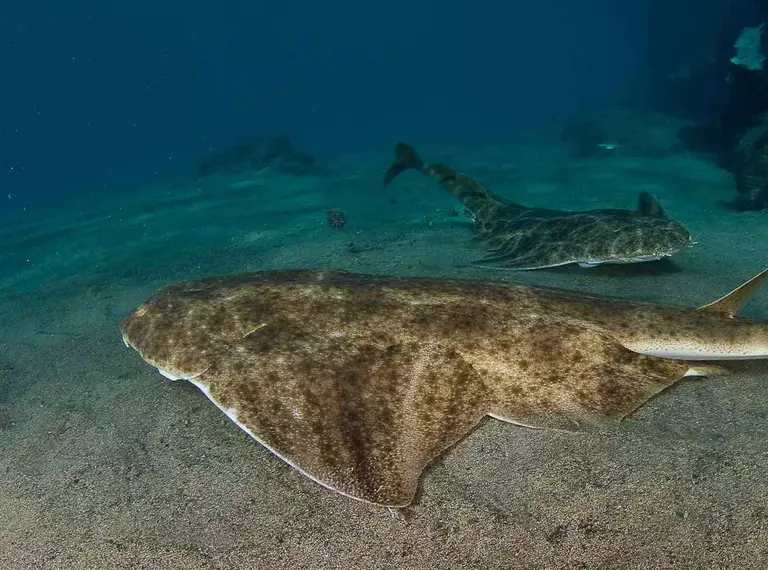
Angel Shark Conservation
We’re working at the cutting edge of conservation to protect angel sharks and create practical routes to their recovery.
- Project
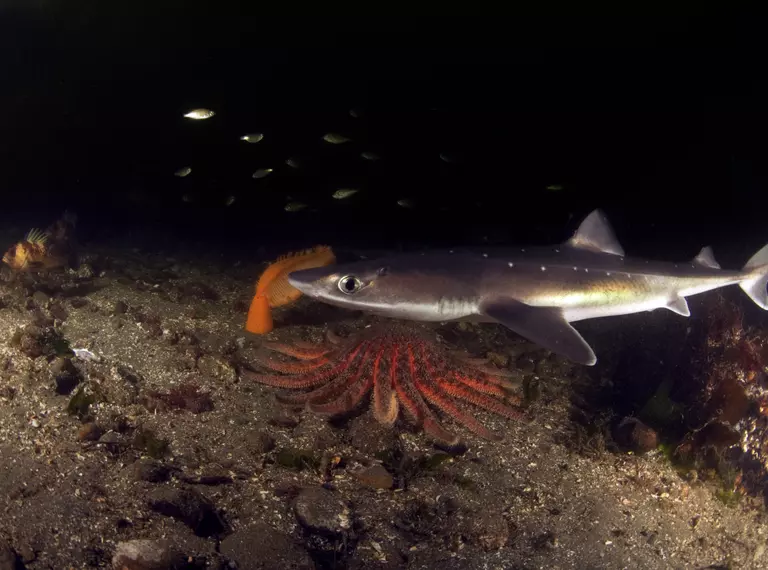
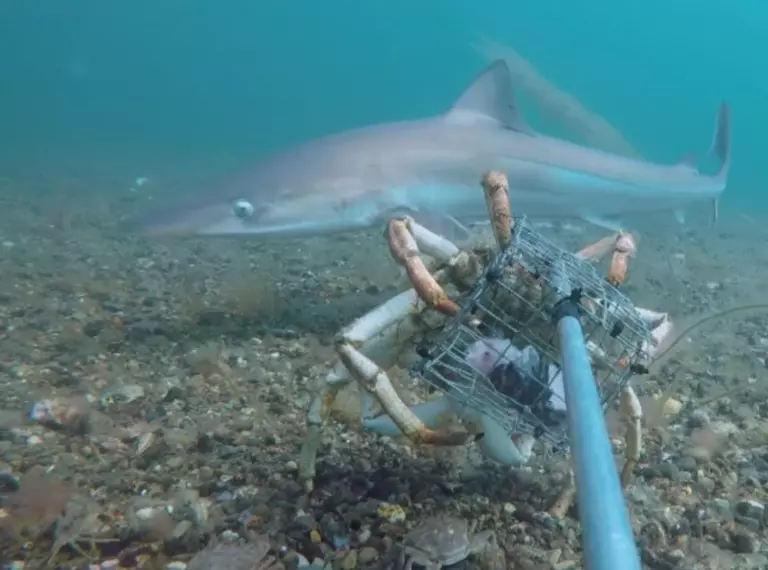
The Greater Thames Shark Project
Working together with anglers to better understand the importance of the Thames estuary to these animals and to ensure their long-term survival in the wild.
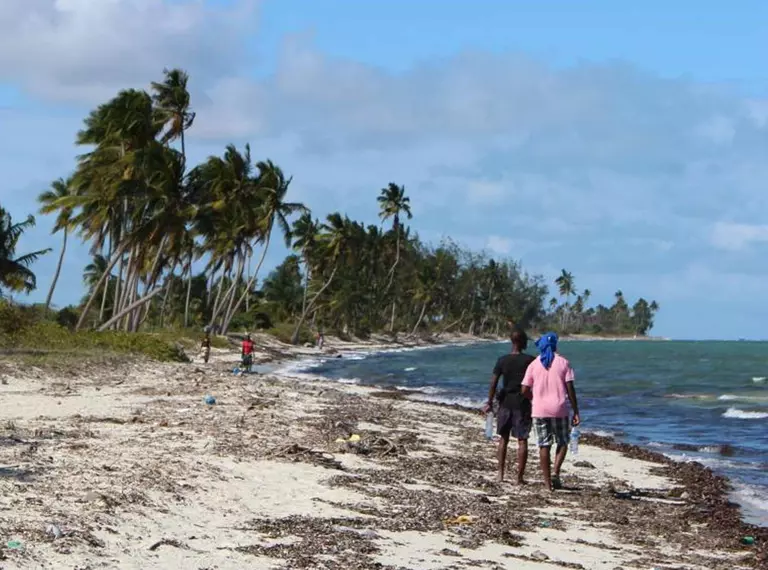
- Our Sea Our Life - Tackling unsustainable fishing practices
Our Sea Our Life - Tackling unsustainable fishing practices
Working with communities to establish more sustainable fishing practices.
- Under threat from fishing and habitat degradation
Project SIARC
We’re working at the cutting edge of conservation to protect angel sharks and create practical routes to their recovery.
- The species are now classified as ‘Critically Endangered’
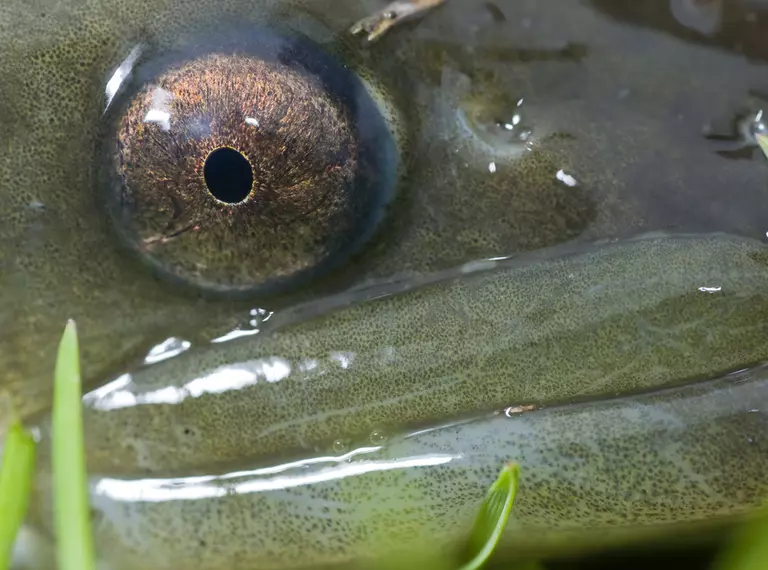
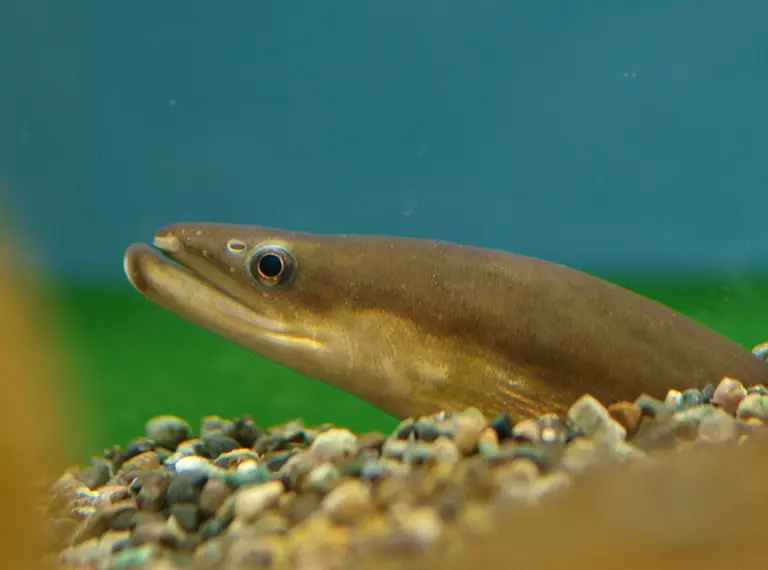
European eel conservation
European eels once thrived in London’s rivers but the number of young joining the adult populations has dropped dramatically since the 1980s.
- There are various factors linked to eel population decline
IUCN Anguillid Eel Specialist Group (AESG)
For over 40 years there has been growing concern that all 16 species of freshwater eels (Family Anguillidae) have suffered a decline in numbers.
- Help us protect our oceans
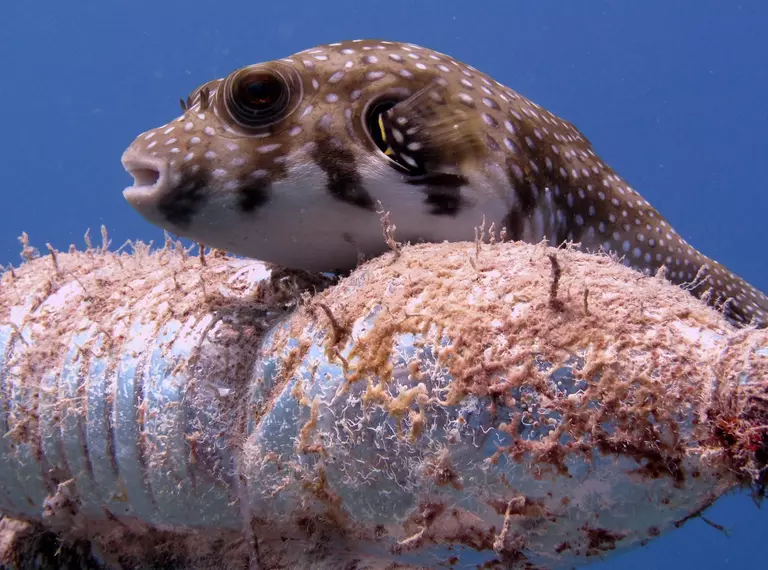
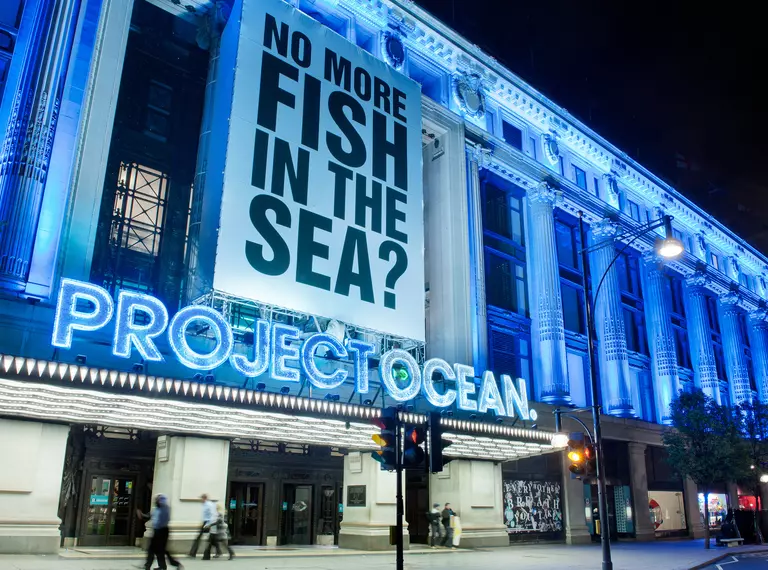
Project Ocean
By 2025 there will be one tonne of plastic for every three tonnes of fish in the world’s oceans if nothing changes.
- We're protecting marine habitats of UK Overseas Territories
Great British Oceans
- Investigating complex marine ecosystems
Indian Ocean Marine Science
We're collborating to protect the Indian Ocean, with 121 peer-reviewed papers have been generated between 2017-2021 from the research in the region.
- Putting the health of our marine ecosystem first
Marine Habitat Restoration
Marine habitats are essential to the health of our marine ecosystem, and hold environmental and social importance, providing valuable ecosystem services.
- A vital habitat for wildlife
London’s Rivers
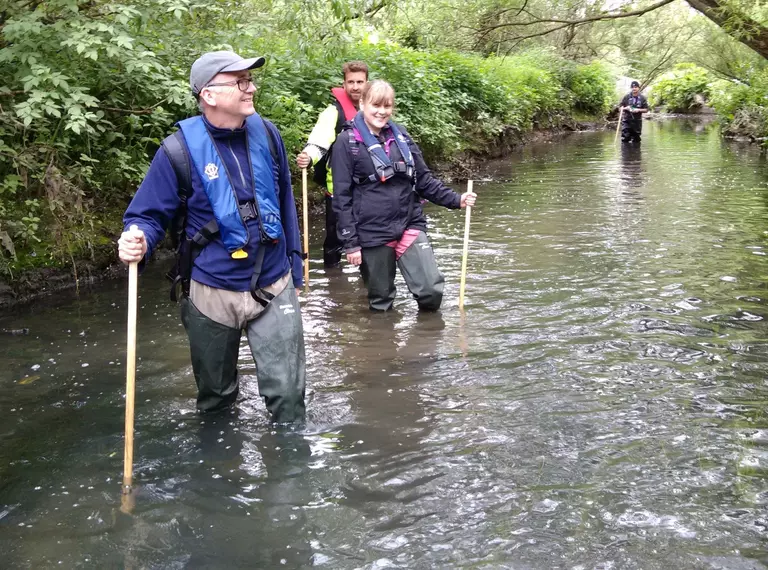
Please help us health-check and survey our rivers as part of our ongoing programme of Citizen Science projects.