






Protecting African wildlife
Climate change and human activity are pushing African species to their limit. From huge forest elephants to tiny pangolins, we need life in all its diversity to shape a healthier and better future for us all.
We're working together in Africa to save animals on the brink of extinction and those who could be next. We care about all life and working tirelessly to restore its wonder. Collaborating with communities on the ground and around the world, we’re driving forward a journey to protect and restore healthy ecosystems so people and wildlife can thrive together.
Building a better future for the people in Africa who stand to lose the most from a climate and ecological catastrophe. We work with people to improve co-existence with wildlife, safeguarding nature and creating a healthier, sustainable future for both wildlife and people.
Identifying the species most at risk
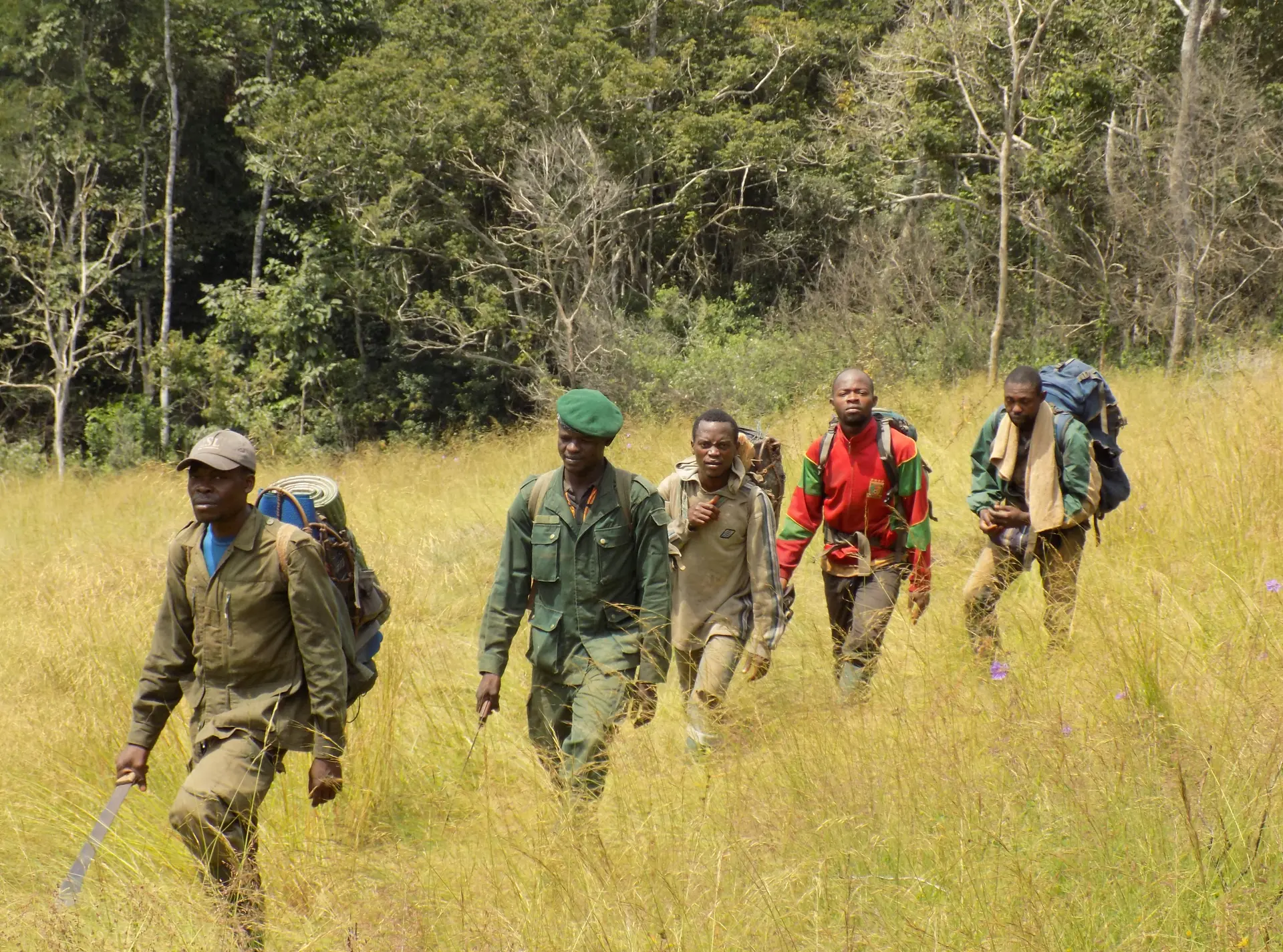 Protecting a UNESCO World Heritage Site
Dja Faunal Reserve
Empowering local people to protect their home and the wildlife they live alongside.
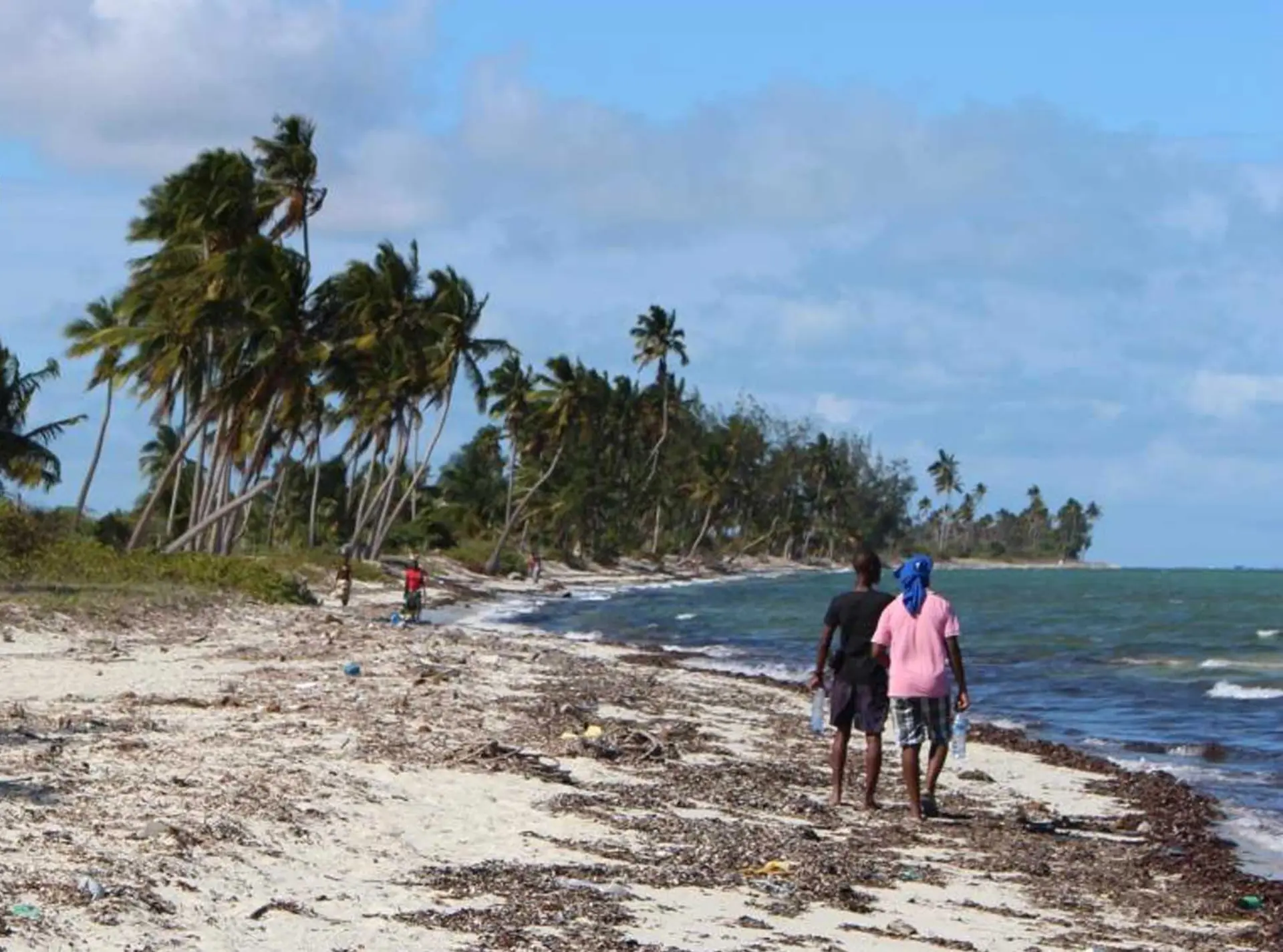 Our Sea Our Life - Tackling unsustainable fishing practices
Our Sea Our Life - Tackling unsustainable fishing practices
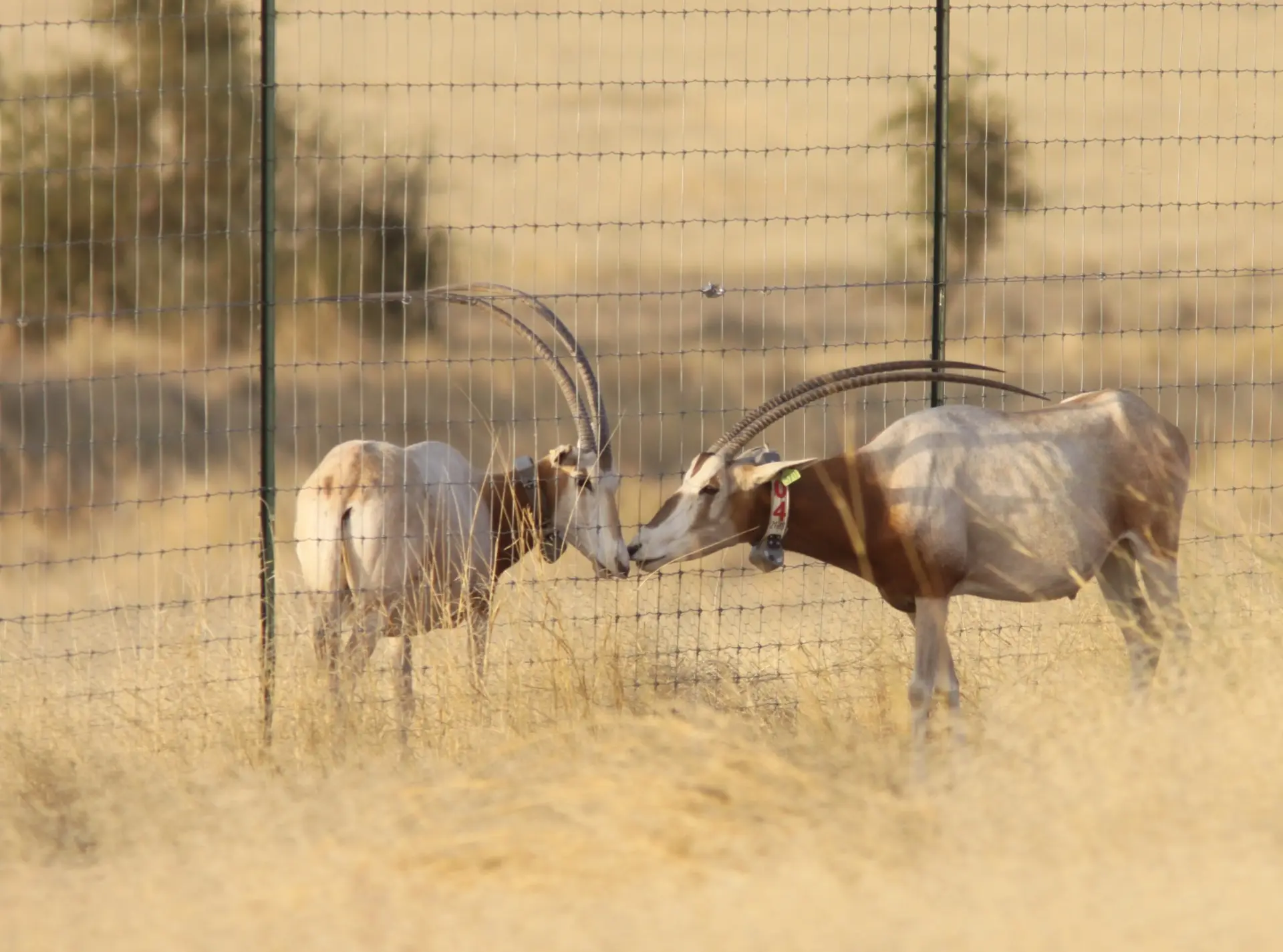 14 February 2017
Scimitar-horned oryx returns to Sahara
This is only the second group to return to the wild after the species was classified as Extinct in the Wild by the IUCN in 2000.
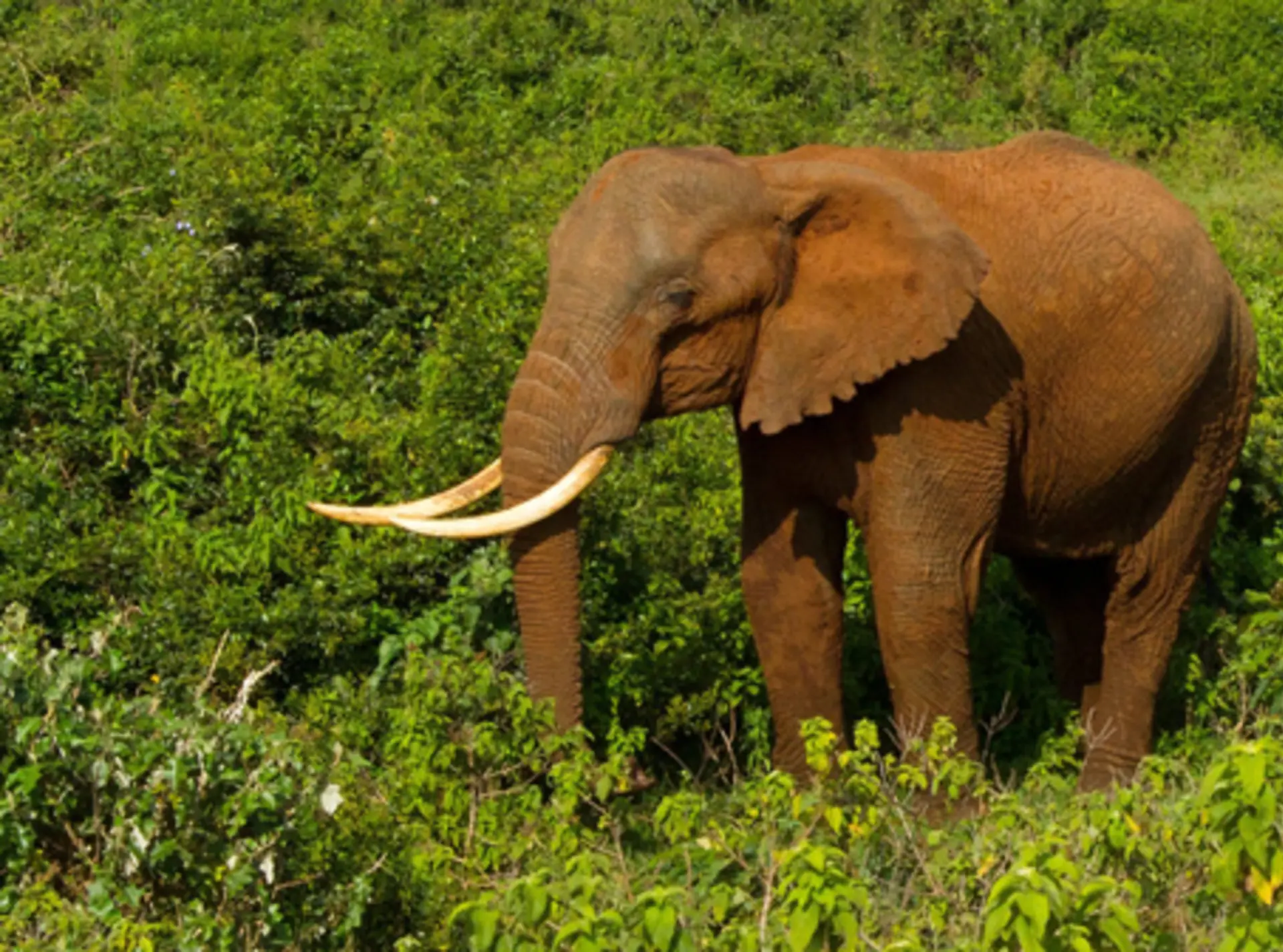 Forest Elephants Are Critically Endangered
Forest elephant conservation
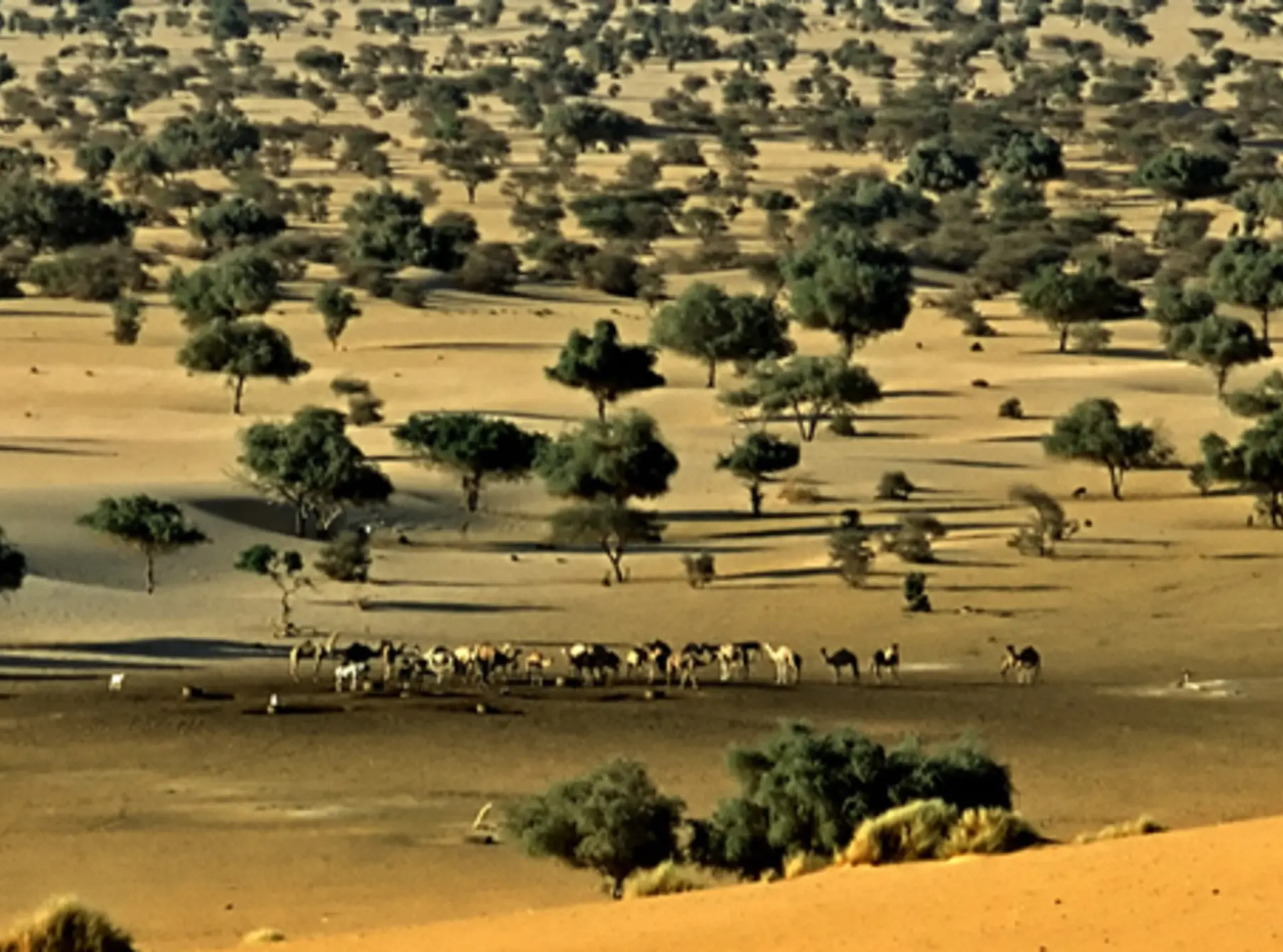 Conservation in Termit Tin Toumma, Niger
Tushumu Kenya-Tanzania Project
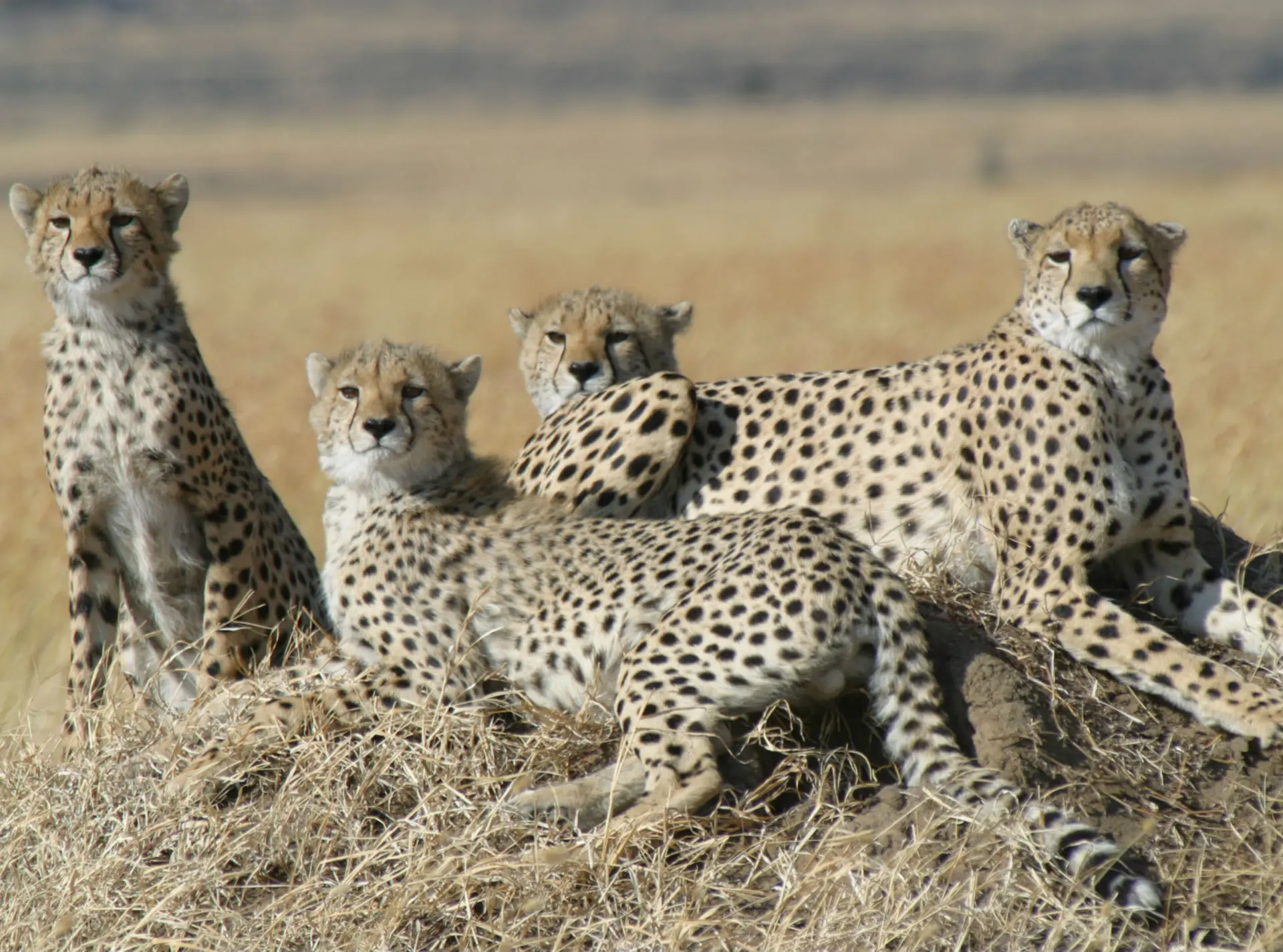 Cheetah conservation in Africa
Cheetah conservation in Africa
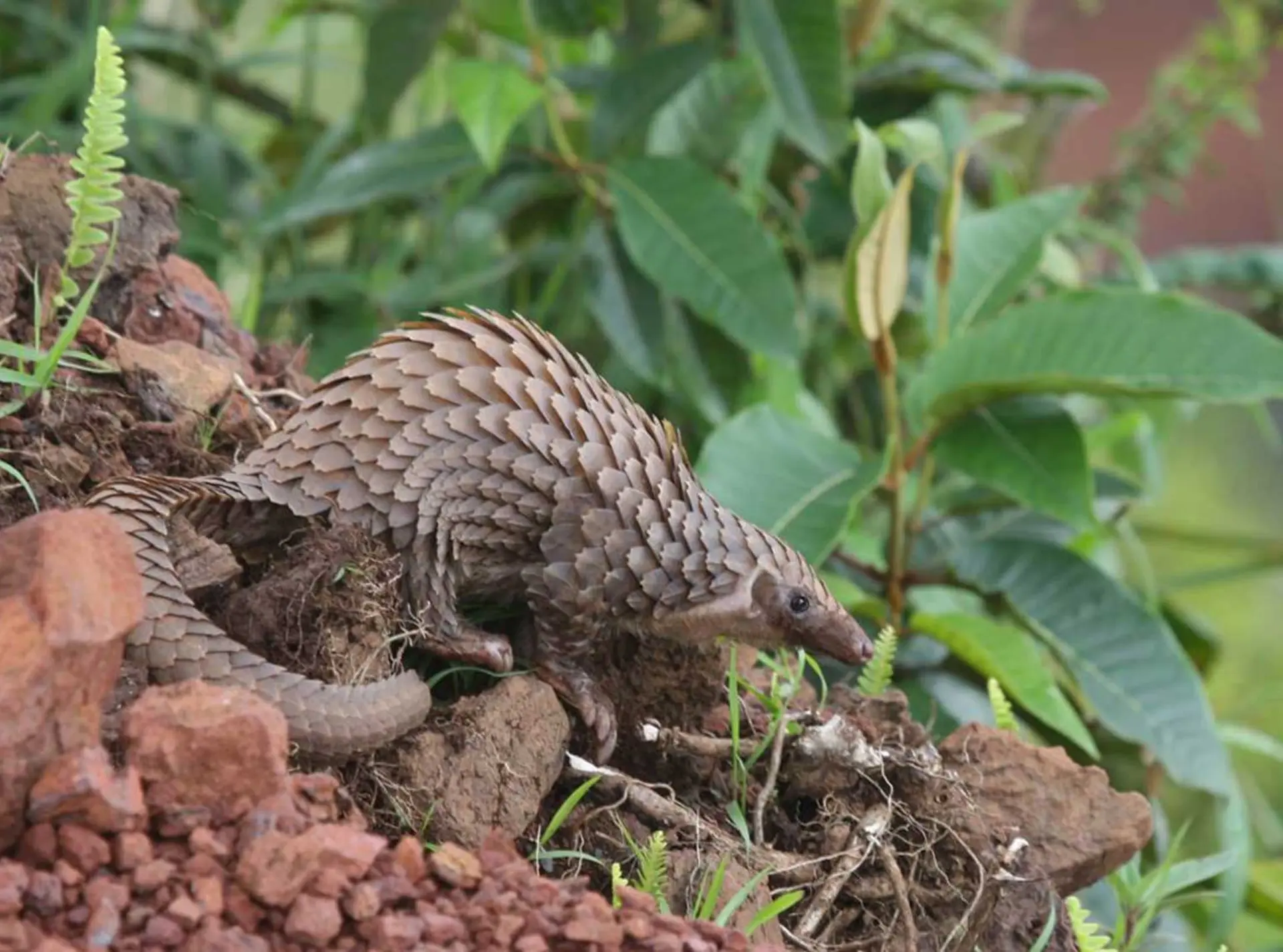 Protecting pangolins in Central Africa
Protecting pangolins in Central Africa
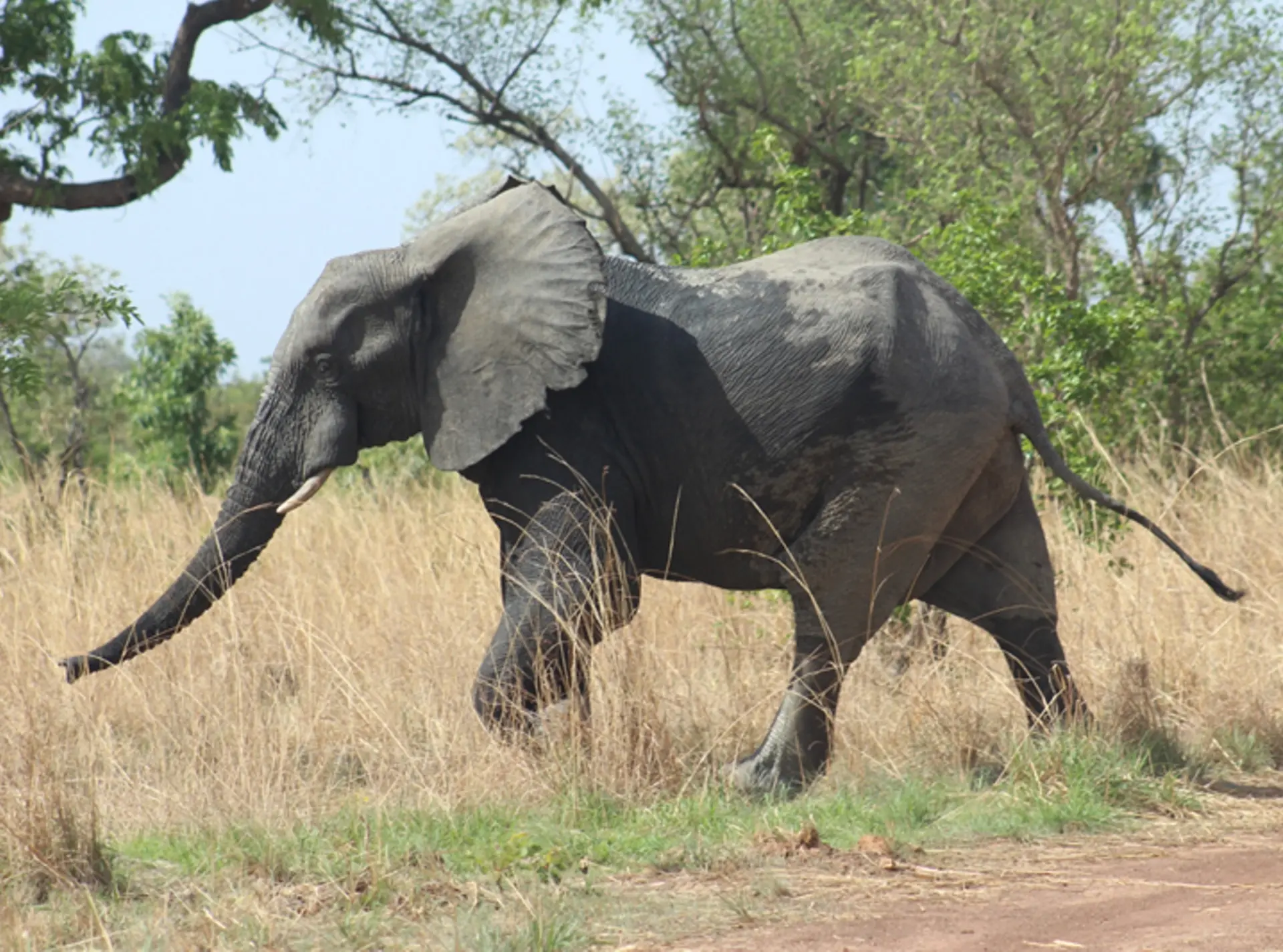 West African carnivores and elephants in the savannah
West African carnivores and elephants in the savannah
- Conservation in Termit Tin Toumma, Niger
Tushumu Kenya-Tanzania Project