Africa

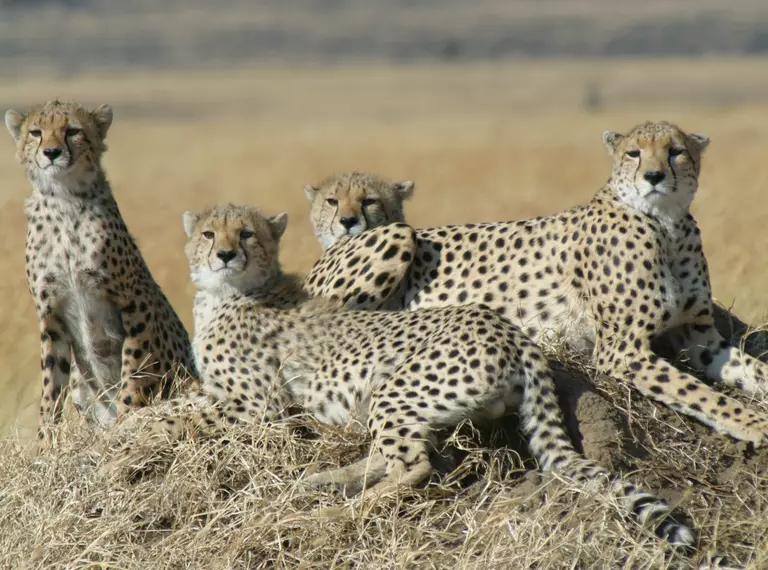
Naturetrek CheetahAfrica is the second largest continent on Earth and encompasses a highly varied range of ecosystems. These include the Atlas Mountains in the north, the vast Sahara Desert, dense tropical forests of West and Central Africa, the vast rangelands of east and southern Africa, the snow capped peaks of the Ruwenzori in central Africa and many varied habitats in between.

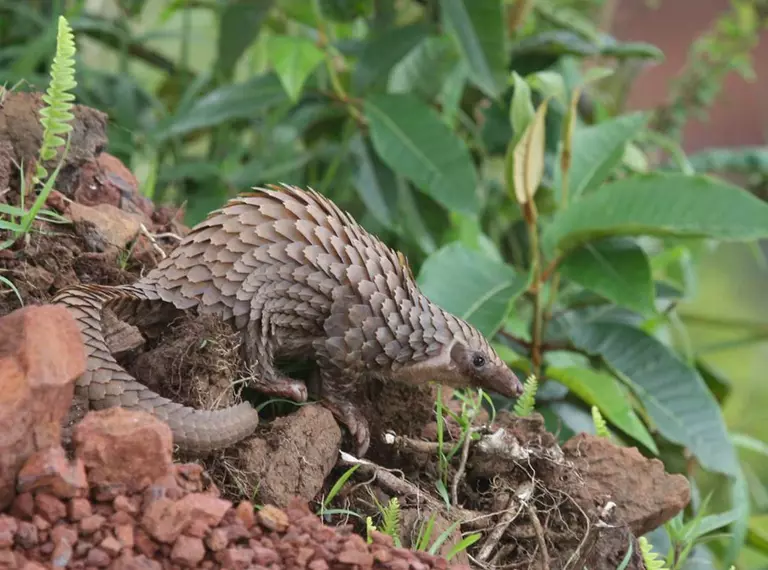
This variability is matched by the huge array of biodiversity to be found here, much of it found nowhere else. Africa is also the cradle of the human species and many different cultures and ethnic groups call Africa home.

At the same time, poverty and the pressure of increasing unsustainable development and human populations mean that many of these ecosystems and much of the biodiversity is under threat.

Conservation issues

Deforestation Of Surrounding AreaHabitat loss and fragmentation:
A major threat to wildlife, driven by many complex factors, for example forests degraded through the extraction of wood for both timber and fuel. In numerous African countries, wood is the main form of energy for heat and cooking, while wood from many tropical forests is used for timber locally and exported to markets in Europe, North America and Asia.

Habitat is also lost to agriculture, including small scale farming and shifting cultivation for local needs as well as the industrial-scale farming of cocoa and palm oil to satisfy the markets of developed nations, like the UK.

Bushmeat - African Palm Civet
Overhunting:
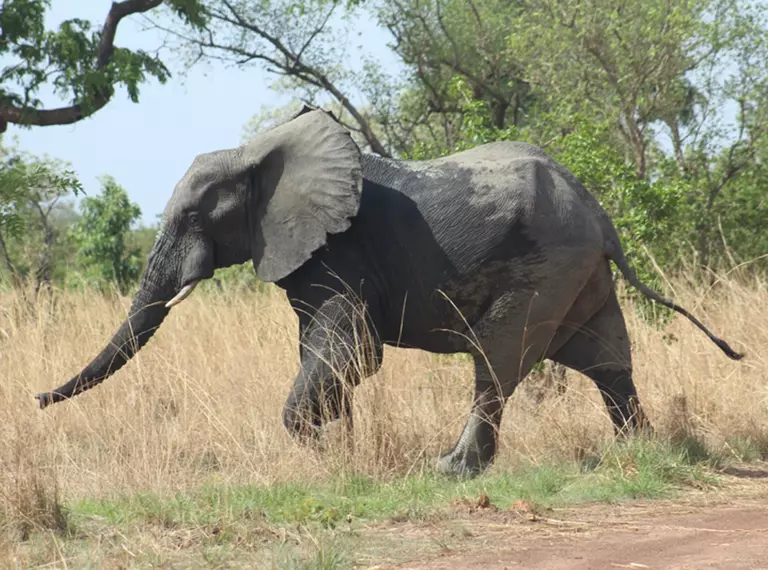
Unsustainable levels of hunting are having a major impact on wildlife across the continent. Regardless of whether this is driven by the bushmeat market or the international trade in products such as rhino horn and elephant ivory, unsustainable hunting has severe implications for both the local people and wildlife conservation.

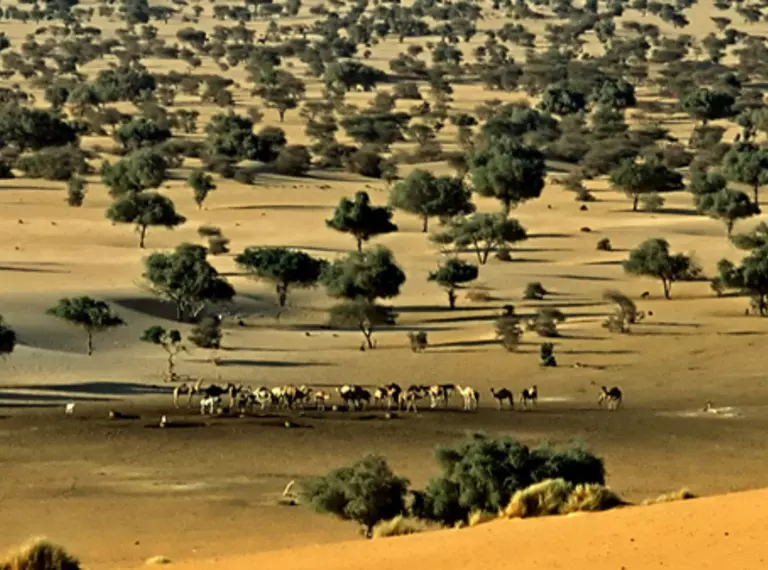
Africa's Deserts

sahara cheetah
Desert and rangeland areas are extremely fragile environments, but these ecosystems are being degraded through unsustainable practices leading to desertification and wildlife losses, and the Sahara has lost more of its birds and mammals than any other region of the Palaearctic (Europe, Africa and Asia). ZSL has projects focused in Africa's deserts including the Pan Sahara Wildlife Survey .

More on forests in Africa and ZSL projects here

- Sahelo-Saharan wildlife conservation
- ZSL's work in deserts

Africa's Forests

Ghanaian Forest
30% of the world’s tropical forests are in Africa, and over 50% of plant and 30% of animal species there are found nowhere else. The UN estimates that unless its destruction is halted 66% of the Congo Basin rainforest will be lost by 2040. ZSL aims to support the forests of Africa and undertakes projects and research there including the Wildlife Wood Project , research into bushmeat alternatives and conservation work in Virunga National Park .

More on forests in Africa and ZSL projects here

ZSL in Africa

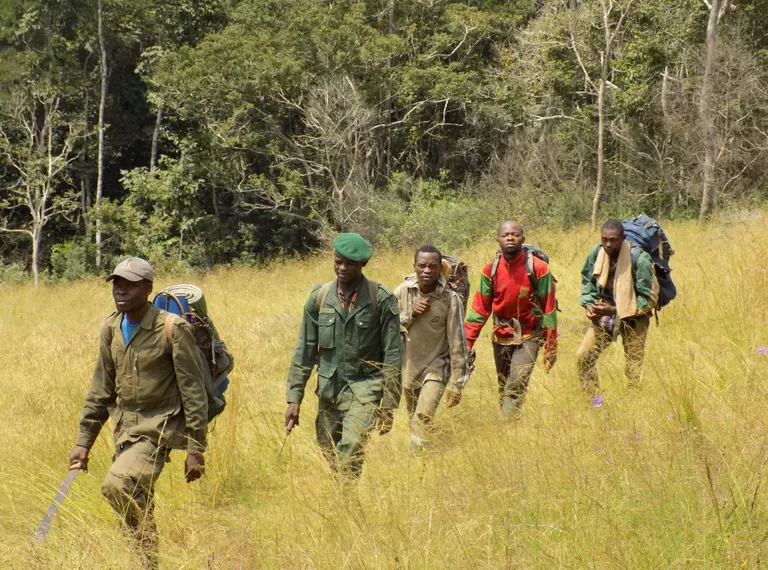
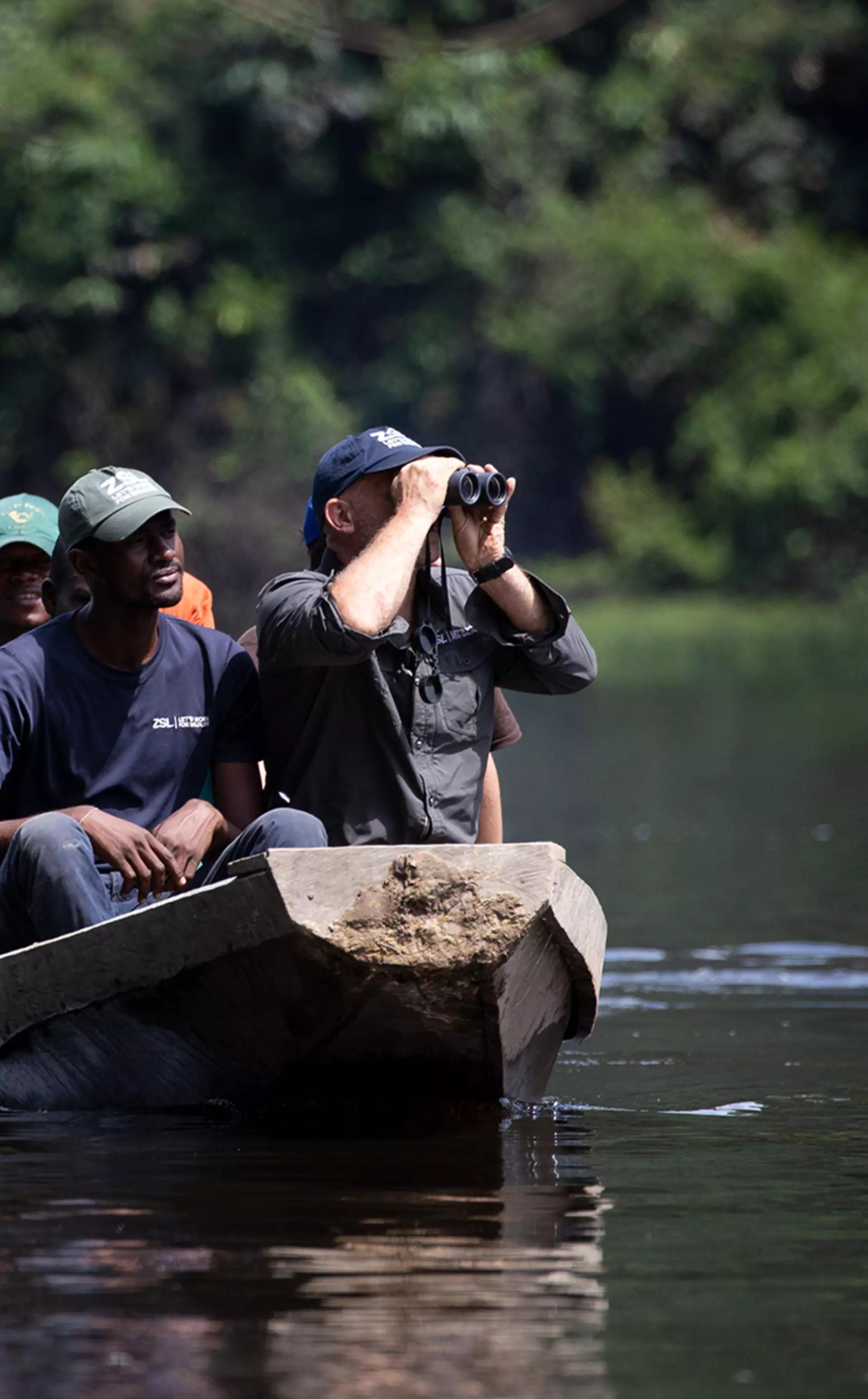
Tracker in the forest
ZSL works across Africa with local and international partners to try and address some of these issues, using science to decide how best to conserve species and ecosystems and help local people:

  • Engaging with industry, helping reconcile the needs of development with wildlife conservation
  • Developing alternatives for local people to using wood for fuel, hunting for bushmeat and clearing forest for agriculture
  • Seeking to preserve forests by making them worth more to people standing than cut down or cleared Okapi
  • Helping conserve species that are at risk of going extinct in the wild
  • Supporting the conservation of unique ecosystems
  • Building capacity within countries for best conservation management

Key projects in Africa

Bushmeat hunter © Noelle Kumpel
Apart from single-species conservation, ZSL has two key projects that target overhunting and habitat loss in Africa:

Bushmeat

Unsustainable levels of hunting are believed to threaten the survival of many target species around the world, particularly in the tropics. ZSL is addressing this crisis through research, management and policy advice.

More about ZSL's bushmeat research and conservation work

Wildlife Wood Project (WWP)

ZSL is working with timber companies in Ghana and Cameroon to improve wildlife management in timber production forests in West and Central Africa.

More about the Wildlife Wood Project

ZSL species-focused work in Africa

Gorillas and Chimpanzees - Cameroon, Democratic Republic of Congo, Equatorial Guinea, Gabon
Cheetahs and Wild dogs - Eastern and Southern Africa
Okapi - Democratic Republic of Congo
Coral - Chagos Archipelago
Black Rhino - East Africa
Pygmy Hippo - Liberia and Sierra Leone
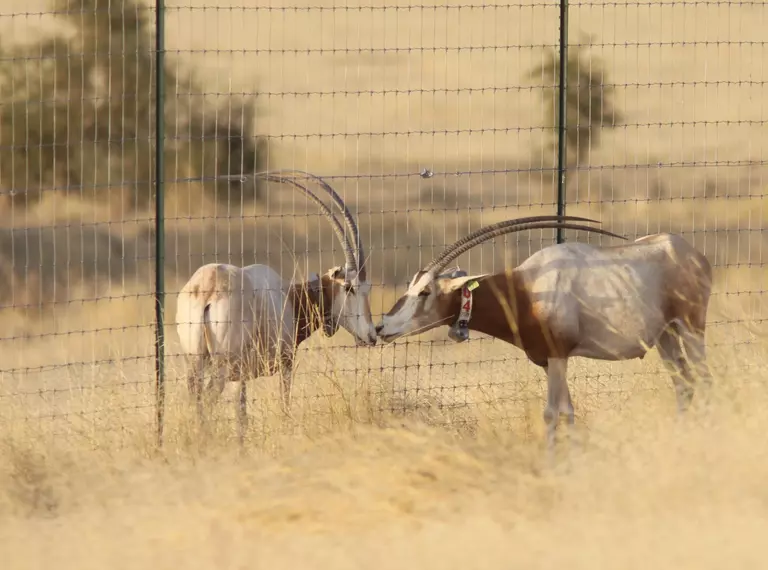
Antelope and Gazelle - Sahelo-Saharan region
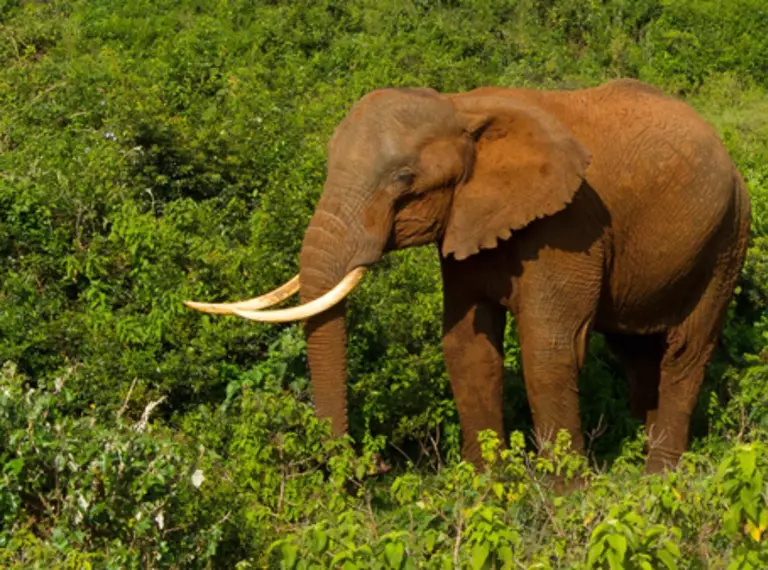
Forest Elephant - Cameroon, Democratic Republic of Congo, Equatorial Guinea, Gabon, Liberia, Sierra Leone
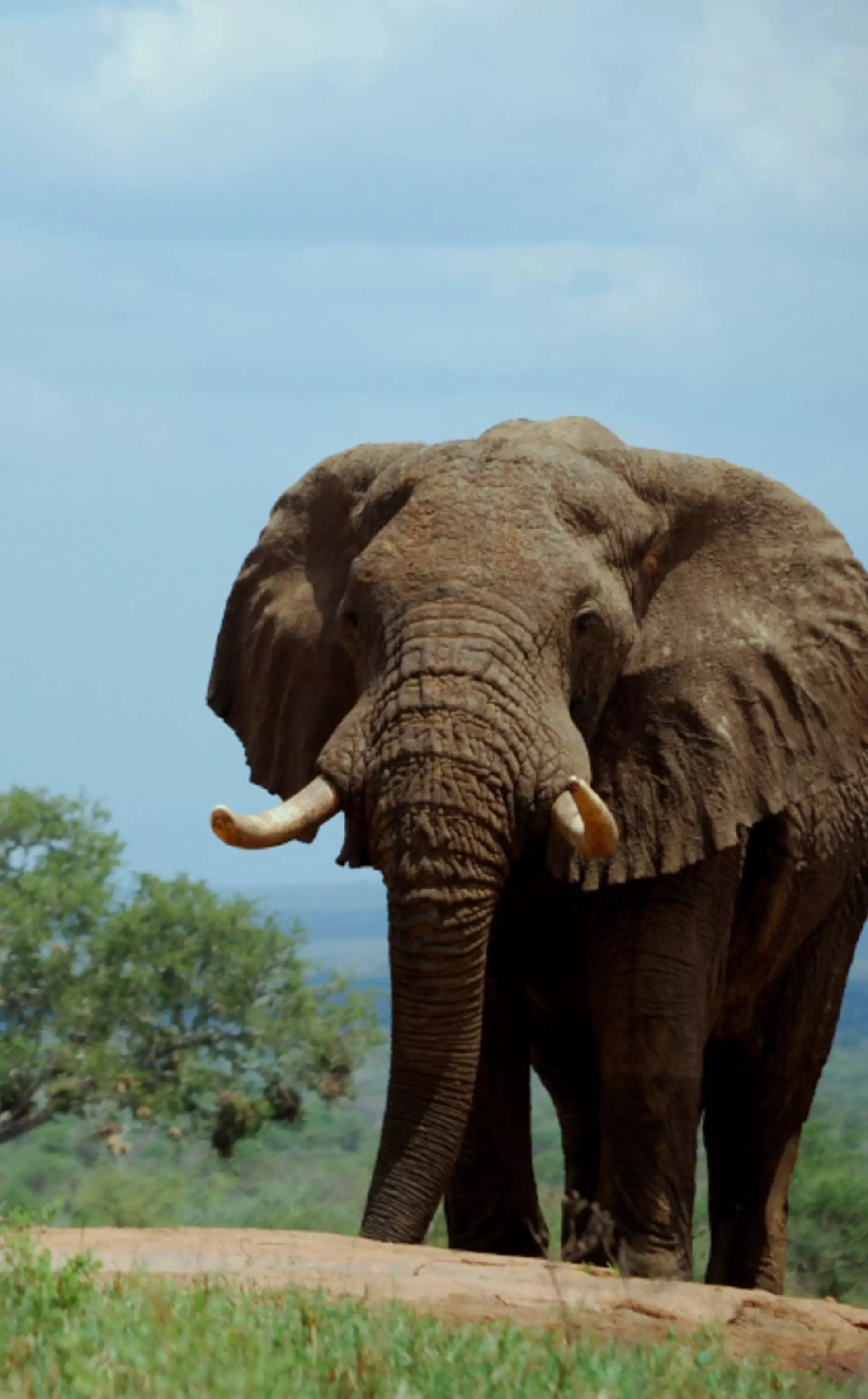
Savannah Elephant - East Africa

Printable version