






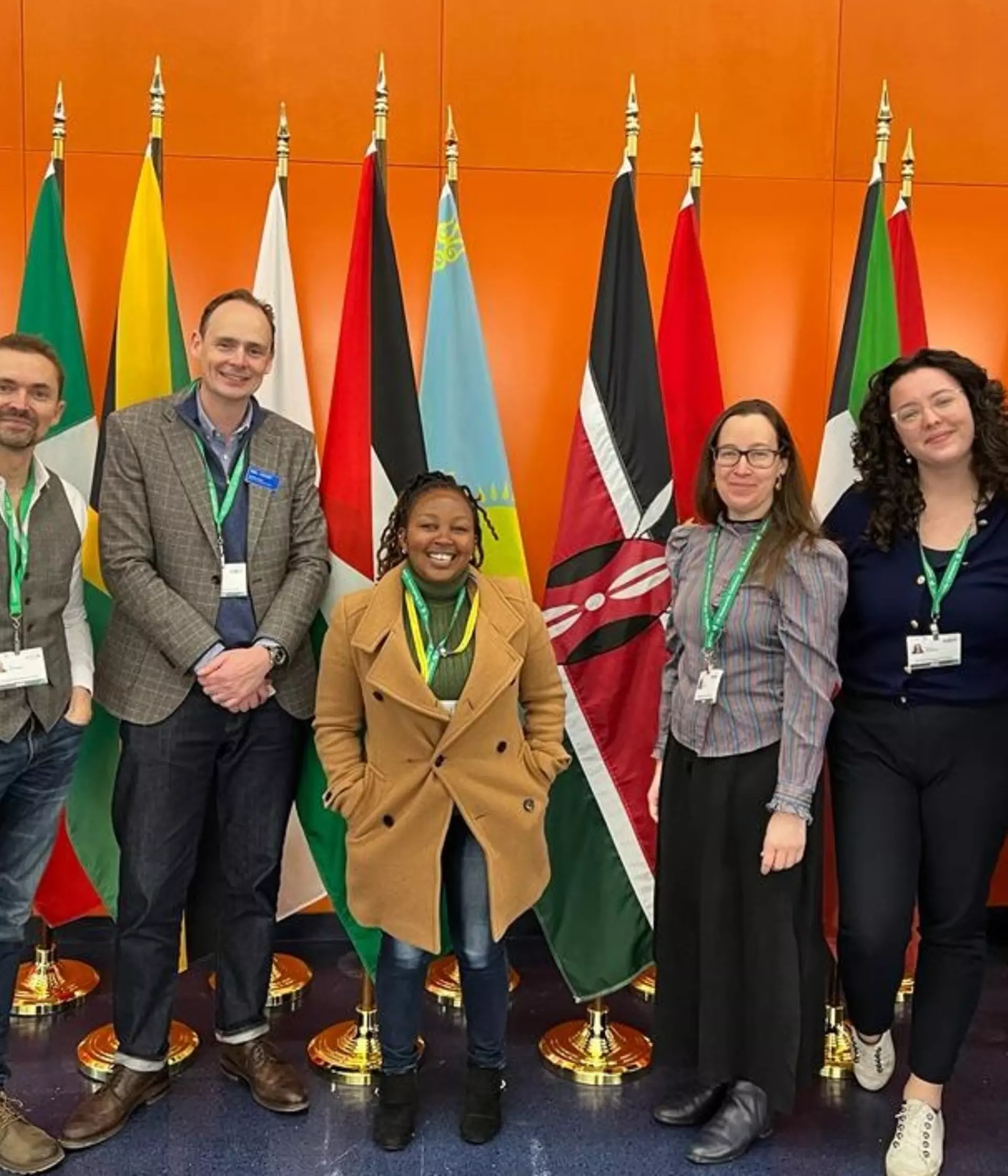
At ZSL we're working to shape global policy - in the UK, through our conservation projects around the world, and by engaging with UN conventions and negotiations.
We seek to create change by bringing people closer to nature and working with governments to put nature at the heart of decision making.
The single greatest challenge facing humanity is its damaged relationship with nature. The roots of the climate, biodiversity and public health crises lie in our treatment of nature as a free and unlimited resource with the ability to sustain us indefinitely.
Our world has limits; beyond a certain level of impact, ecosystems can tip into completely different states and processes can be disrupted upon which we rely. Currently, the biodiversity that makes up these ecosystems is being lost at an alarming rate due to habitat loss, over-exploitation and pollution – all driven by our over-consumption of natural resources. In the coming years, climate change will drive and further exacerbate these pressures, with developing countries particularly negatively affected. Conservation acts to address and reverse this loss of biodiversity and support the rebalancing of our relationship with nature. This takes place at various levels, from working within individual farmers or fishers to protect key sites and species, to informing and shaping nature-positive global economic and political processes.
We want nature at the heart of every decision.
ZSL engages with policy across a range of forums and topics, focusing on how we can bring our research, science and conservation in working to ensure that effective evidence led biodiversity positive policy is developed and implemented across the world to see the protection, proper management, and effective restoration of the natural world.
Our policy work spans the UK, our country programme and project locations alongside engagement with a variety of UN conventions and negotiations that pertain to the environment, climate change, biodiversity, and conservation. To explore this range of work, please see the themes and topics below which can tell you more about ZSL’s policy input and impact.
Creating change
We create positive change for wildlife and people by inspiring and empowering everyone from children to politicians to notice, care, and act for nature.
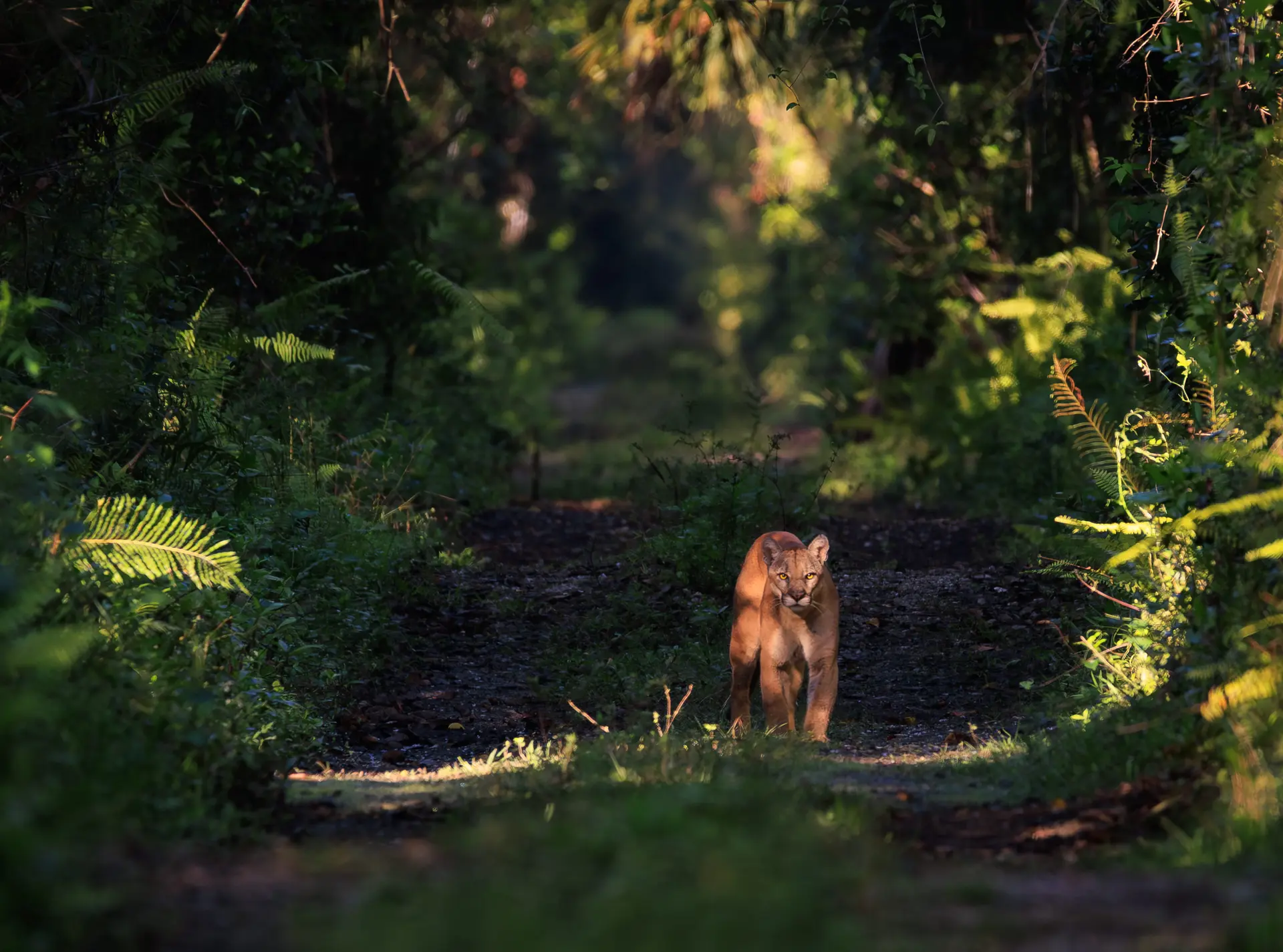 Providing evidence to inform global action
UK Biodiversity Alliance
A partnership between ZSL, the Natural History Museum and the Royal Botanic Gardens, Kew.
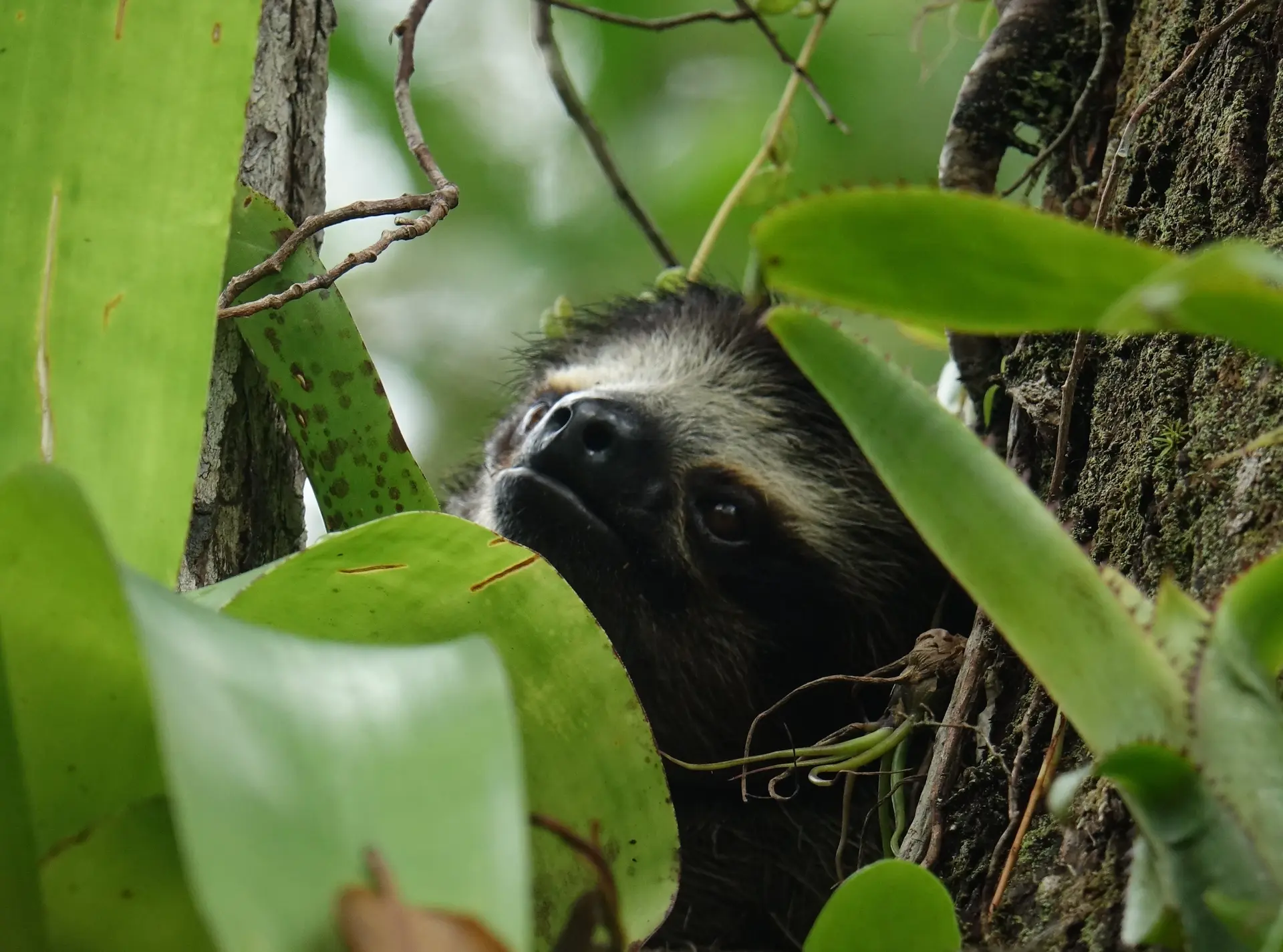 Nature must be at the heart of climate action at COP30
UN Climate Change COP30
ZSL’s expert delegation is on the ground and virtually monitoring COP30 in Belem. What events are they hosting, what discussions will they be involved in, and how are ZSL pushing to get nature at the heart of global decision-making?
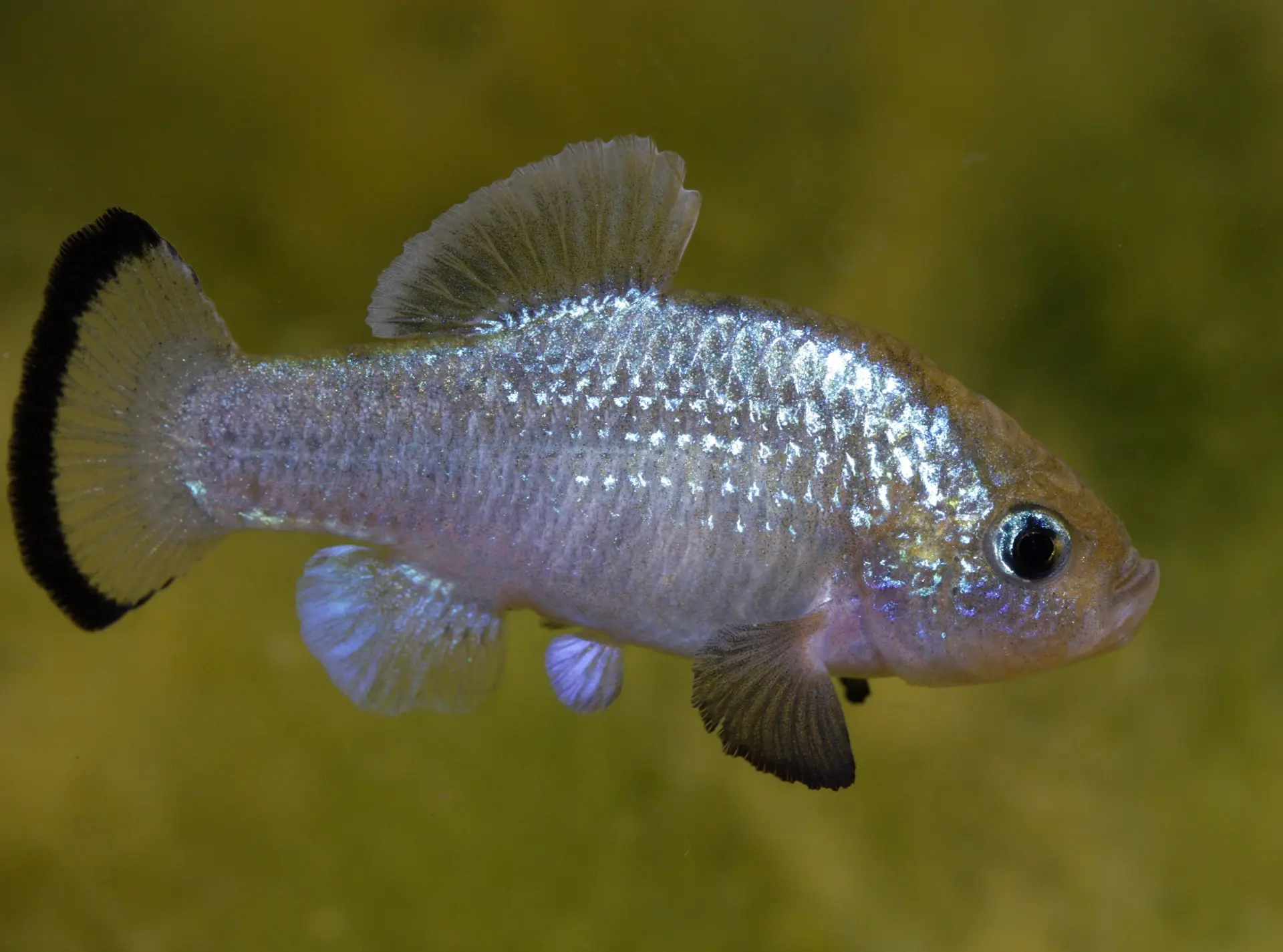 Uniting science, policy, and action for a sustainable future
IUCN World Conservation Congress 2025
Where, when and who will be bringing ZSL’s expertise to the global conservation table at this year's IUCN World Conservation Congress.
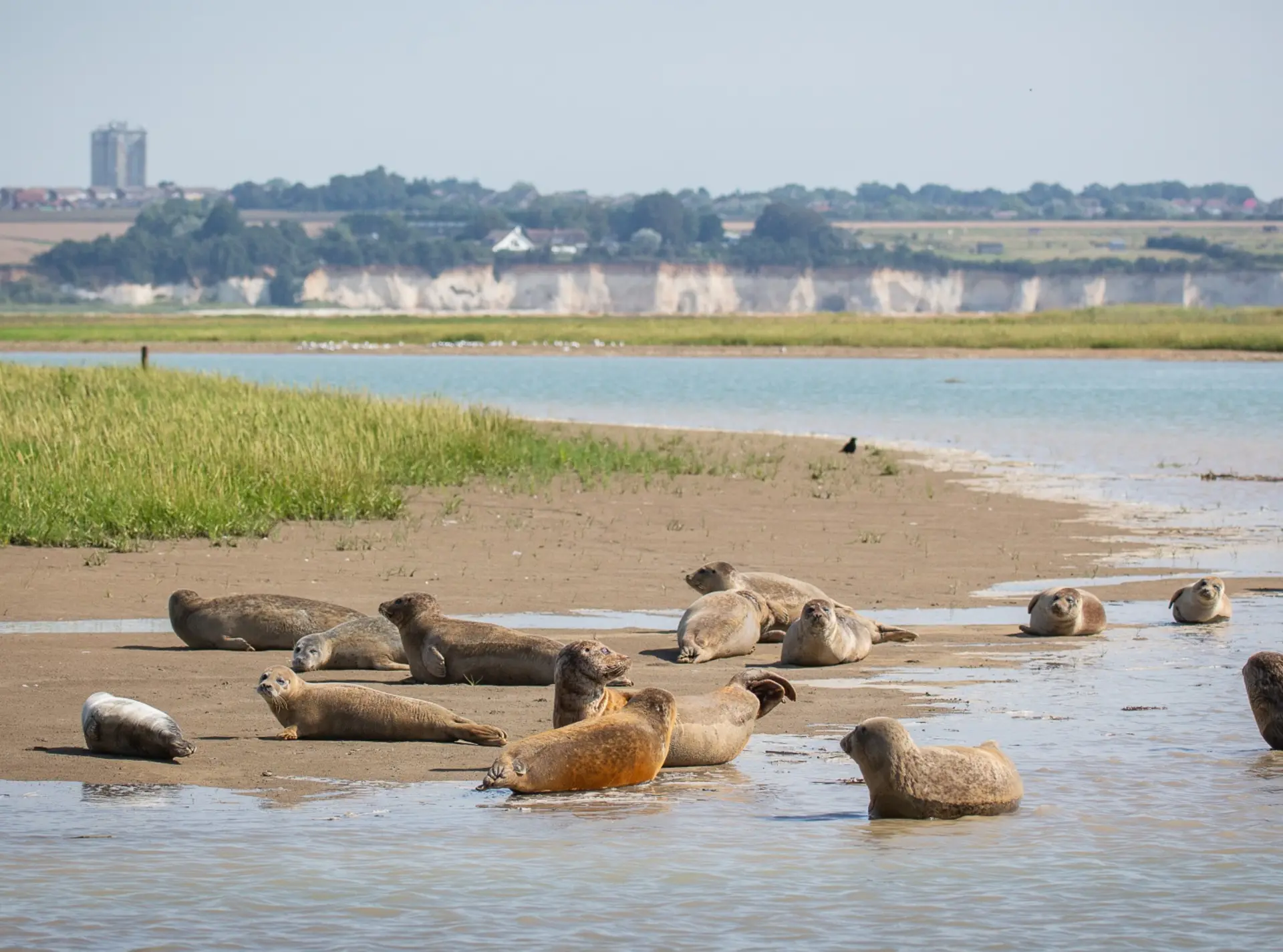
ZSL's UK Policy Engagement
ZSL engages in the UK policy making process in a range of ways
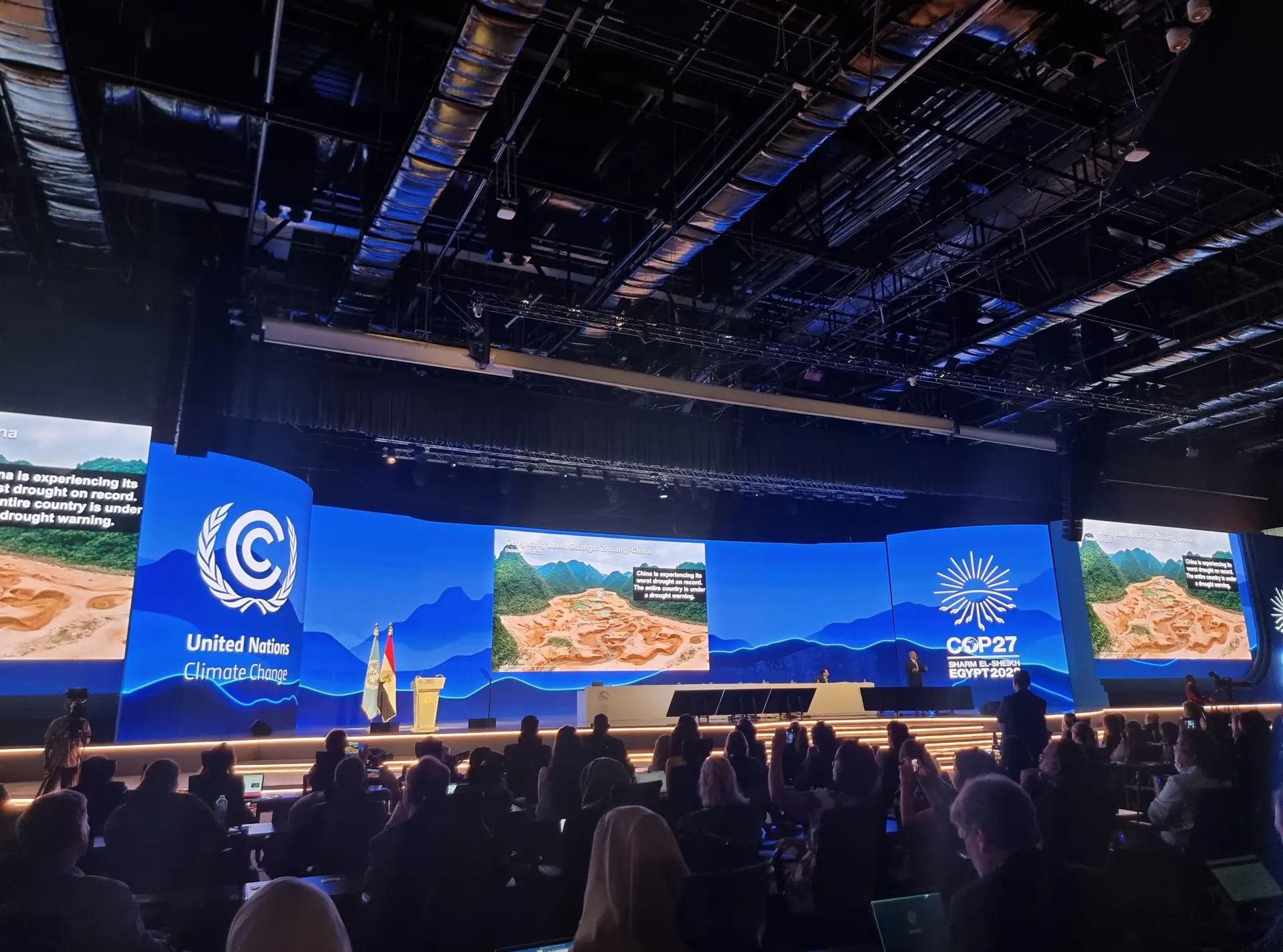
ZSL’s United Nations and Intergovernmental Policy Engagement
ZSL has a long history of working within United Nations conventions, departments and processes
The Convention on Biological Diversity (CBD) – COP16
Read ZSL's position paper on what we would like to see achieved at the Convention on Biological Diversity (CBD).